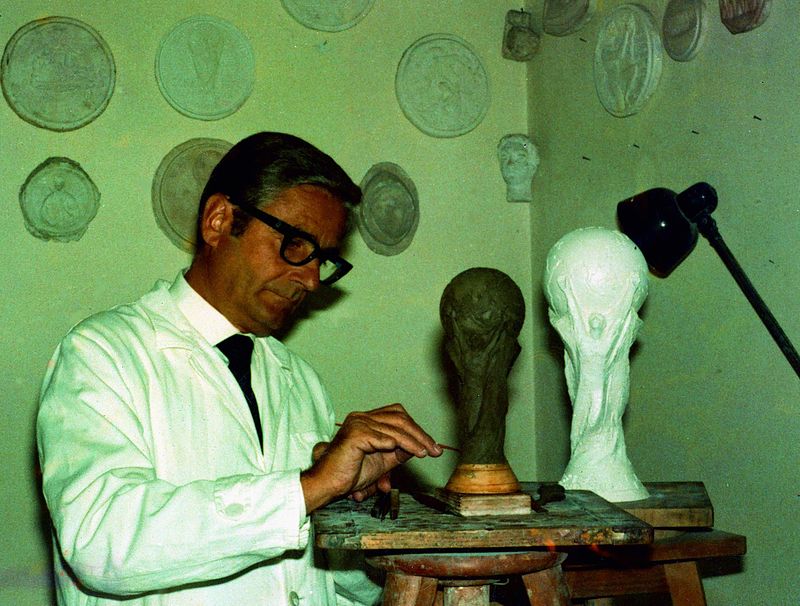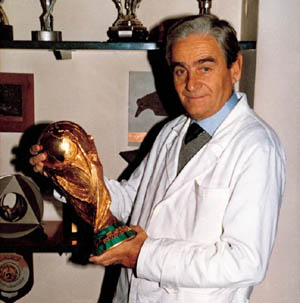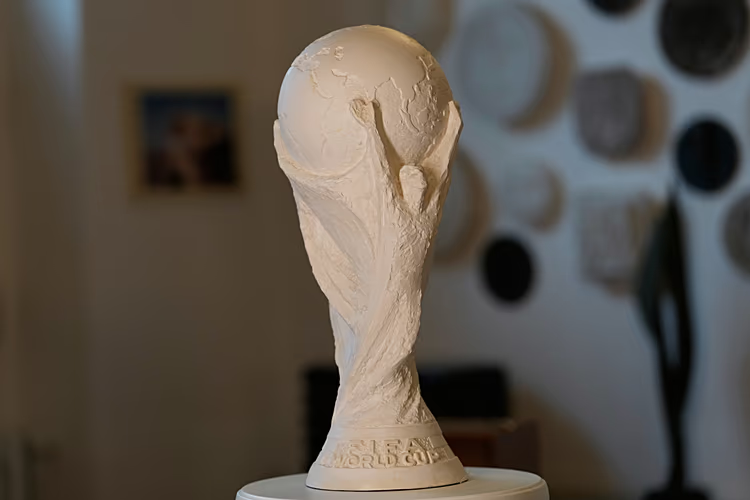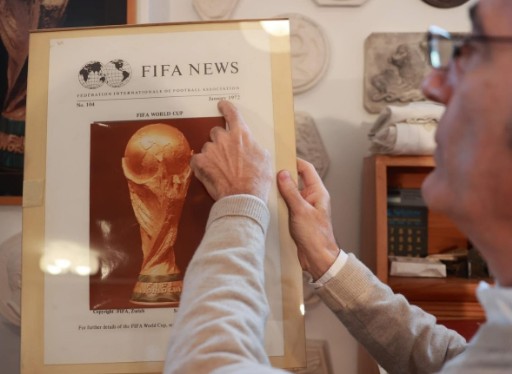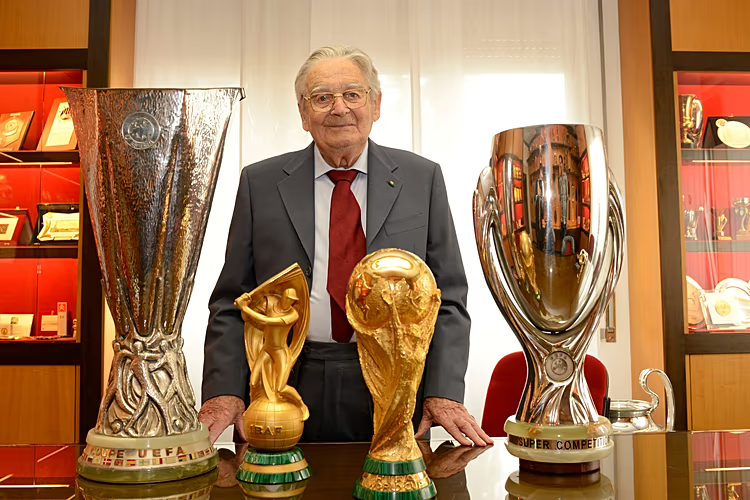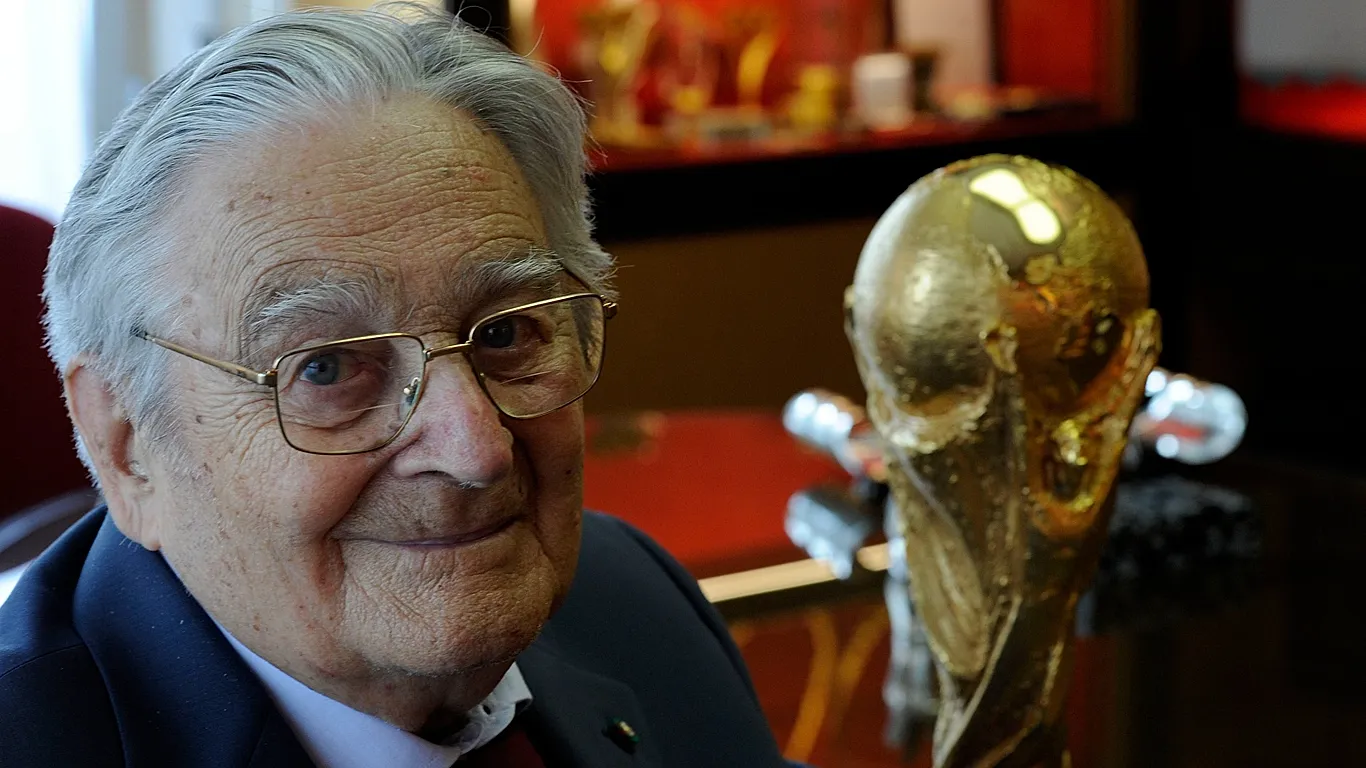

The famous cup presented to the winners of the World Football Championships was created by the Italian sculptor Silvio Gazzaniga.
Medianews.az reports that while creating this work, the sculptor tried to reflect the athlete's struggle, the fans' joy, and the moment of victory in the cup.
The Cup was made in Milan
In 1970, when Brazil became the world champion for the third time, according to the rules of that time, they took the World Cup permanently. After that, FIFA announced an international competition to create a new cup.
The winner of the competition was the 50-year-old sculptor Silvio Gazzaniga from Milan. He began to realize his project in his workshop located in the Brera district of Milan.
Today, the design of the cup known worldwide depicts two human figures lifting a globe symbolizing the Earth.
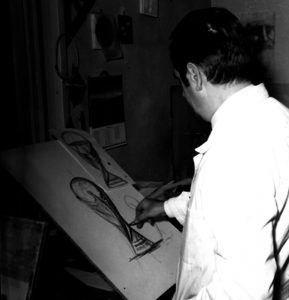
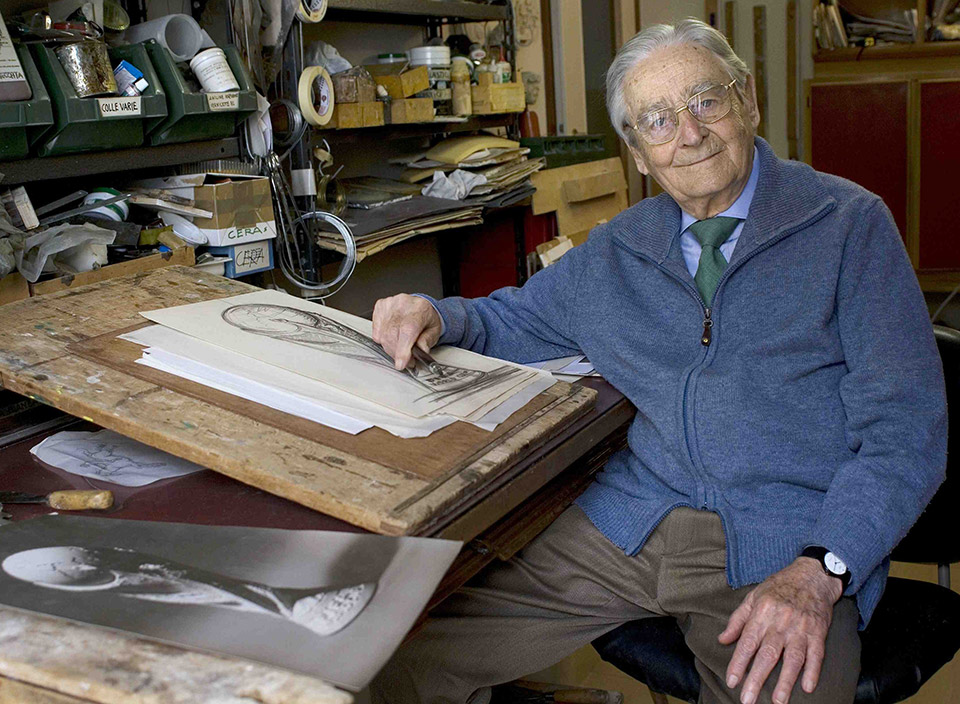
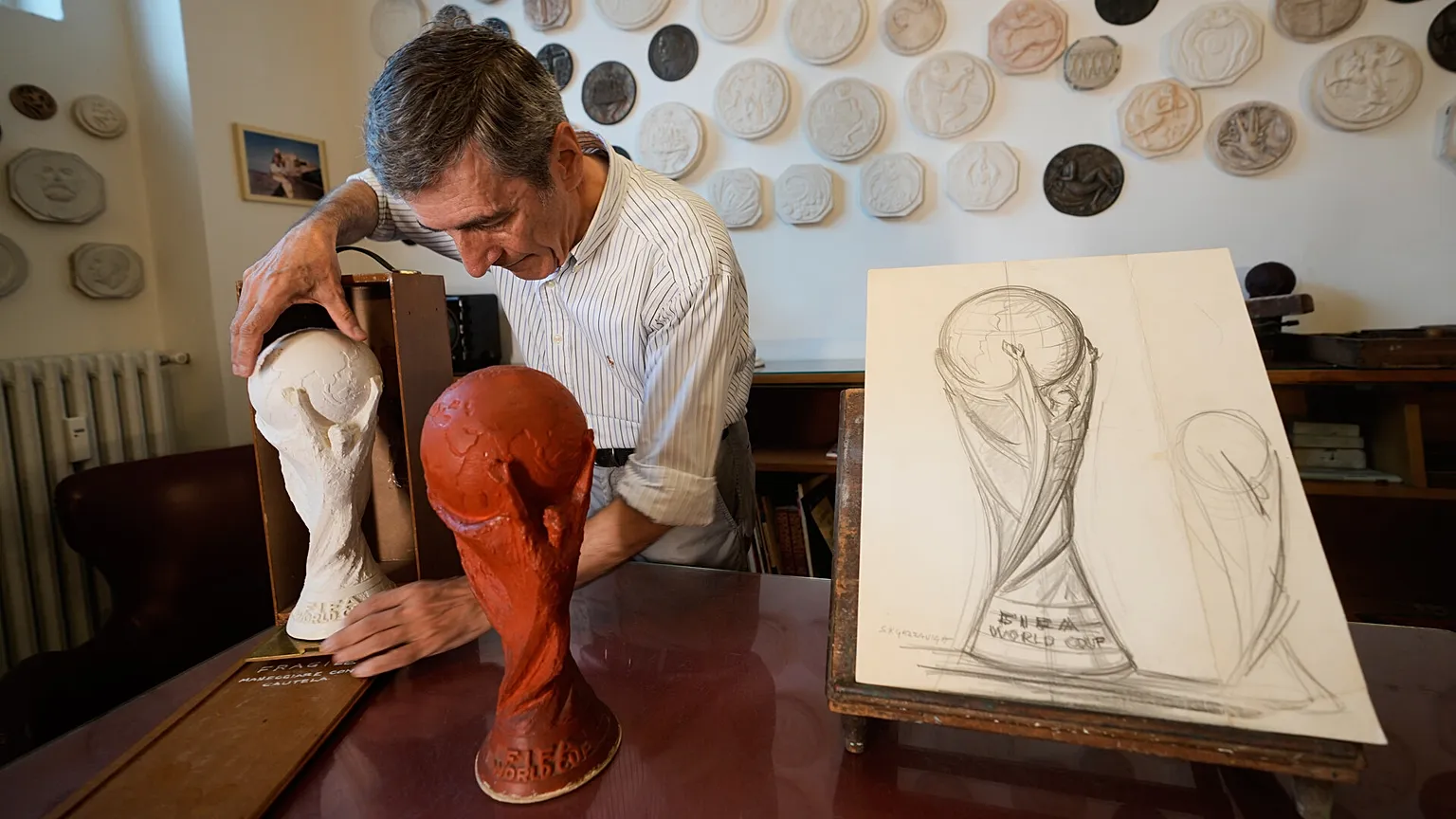
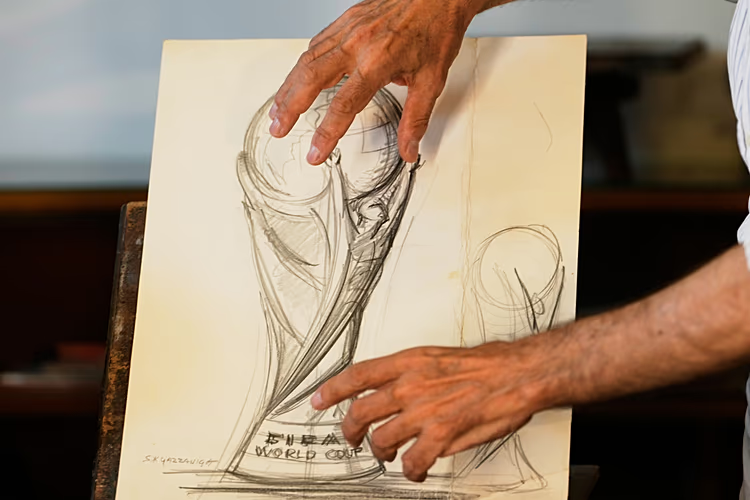
According to the words of the sculptor's son Giorgio Gazzaniga, his father initially prepared many sketches, then focused on the idea of combining the globe and two figures moving upwards, reminiscent of DNA spirals.
Silvio Gazzaniga passed away in 2016 at the age of 95. He graduated from the Brera Academy of Fine Arts in Milan and worked at the company "G.D.E. Bertoni," the producer of the cup.
Silvio Gazzaniga is also the author of several of the most famous awards in football, including the UEFA Cup, UEFA Super Cup, and the World Cup.
Before him, there was the "Jules Rimet" cup
In the first World Cup held in 1930, the cup presented to the champion depicted Nike, the ancient Greek goddess of victory. This cup was later named the "Jules Rimet Cup" in honor of the tournament's founder and FIFA president Jules Rimet.
The cup created by French sculptor Abel Lafleur was made of silver plated with gold. The cup was placed on a pedestal made of lapis lazuli stone.
According to the initial rules, the country that won the world champion title three times gained the right to keep the cup permanently. Brazil achieved this in 1970, forcing FIFA to order a new cup.
The "Jules Rimet Cup" was stolen twice
The first theft occurred during the 1966 World Cup held in England. The cup disappeared while on public display. According to FIFA, it was later found under bushes in South London by a dog named Pickles.
In 1983, the cup was stolen again from the headquarters of the Brazilian Football Associations Federation. Since then, it has not been found, and many believe it was melted down and destroyed.
A symbol of the struggle for victory
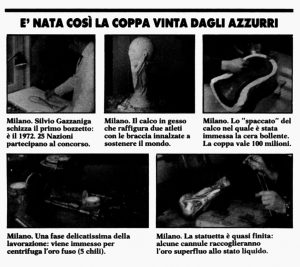
Silvio Gazzaniga's project won the competition, surpassing over 50 works submitted from 25 countries.
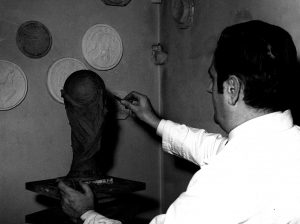
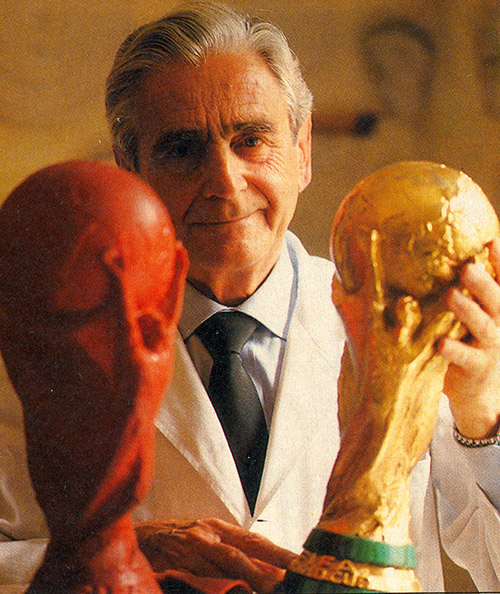
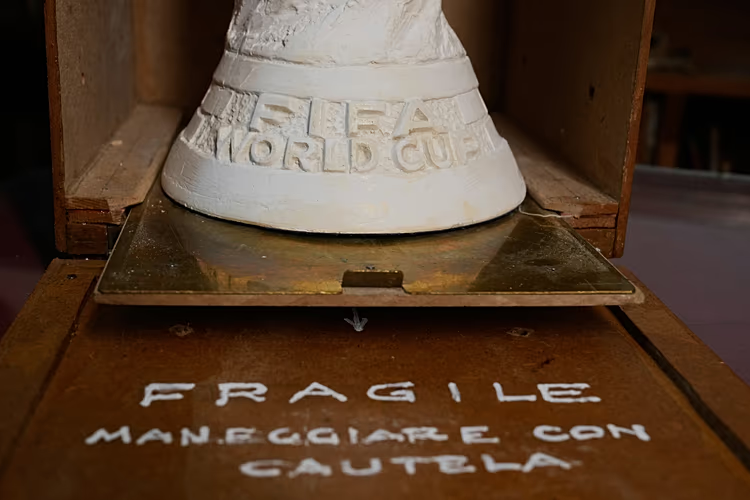
His son states that unlike other participants, his father did not only present sketches but also made a full-scale plaster model of the cup. This allowed the judges to evaluate the finished work.
Giorgio Gazzaniga notes that the globe stands at the top of the cup. Inside the metal, the movement and strength of an athlete struggling and fighting for victory are reflected.
The raised arms expressing the joy of victory resemble the wings of the goddess of Victory, symbolizing both the athlete's triumph and the fans' happiness.
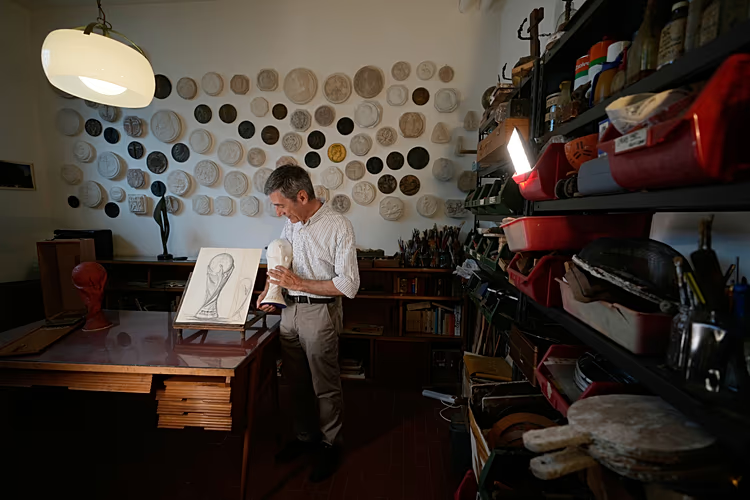
Today, the Gazzaniga family preserves the sculptor's workshop located in Pioltello, near Milan. Sketches, the first prototype presented to FIFA, and the wax mold are exhibited here.
At the beginning of 2026, the Milan city authorities placed a memorial plaque in front of the workshop where Silvio Gazzaniga once worked.
Why don't winners keep the cup?
After the final, the World Cup lifted by the winning team's captain is 36 centimeters tall. It is made of 18-carat gold, with two green malachite rings at the base symbolizing football fields.
However, after the tournament ends, the cup is returned to FIFA.
The original cup is kept at FIFA's headquarters in Switzerland among the World Cups. The world champion receives a gold-plated replica.
According to current rules, no team – even if it becomes world champion three times – can permanently keep the original cup.
The first captain to lift the cup designed by Silvio Gazzaniga was Franz Beckenbauer, captain of West Germany, the 1974 World Cup winner.
Giorgio Gazzaniga recalls watching that final on television together with his family.
According to him, the real explosion of joy happened at the moment the German national team lifted the cup in Munich: "At that moment, an ordinary object turned into a real symbol."
The legacy of Silvio Gazzaniga lives on
Silvio Gazzaniga passed away in Milan on October 31, 2016, at the age of 95. His created works are highly valued in Italy and various countries around the world.
In 2003, the city of Milan awarded him one of its most prestigious awards, the "Ambrogino d'Oro," for his contribution to cultural heritage.
In 2011, the International Association of Numismatists and Medal Designers presented him with an international award for his lifetime contribution to medal and cup design.
The Football World Cup, held every four years, is considered one of the greatest tributes to Silvio Gazzaniga's creativity.
Toğrul Ali,
Medianews.az