
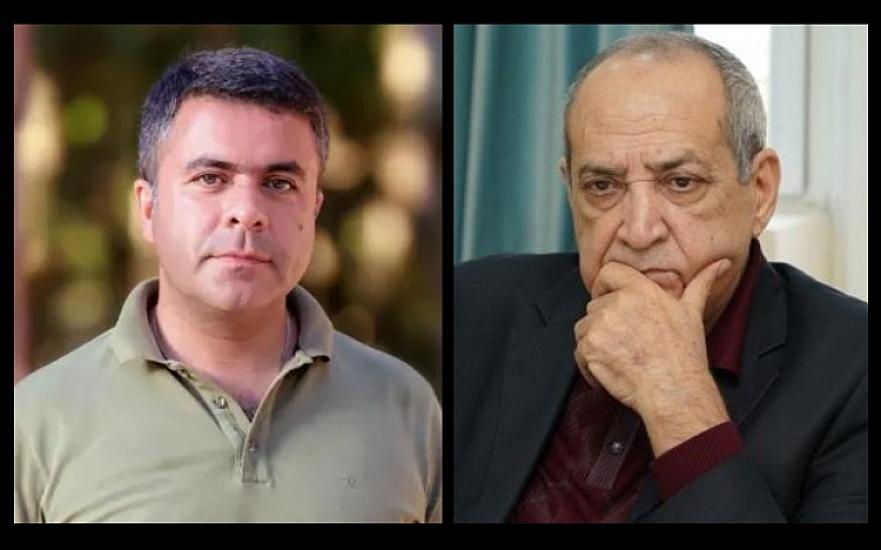

Advertisements featuring two late Azerbaijani artists - Honored Artist Cabir İmanov and People's Artist Rasim Balayev - are still circulating.
It is possible to see advertising billboards in the Baku metro stations and on street sides bearing the photo of Cabir İmanov, who passed away at the age of 49 on September 29, 2025. These billboards advertise "Slavyanskoye" dairy products.


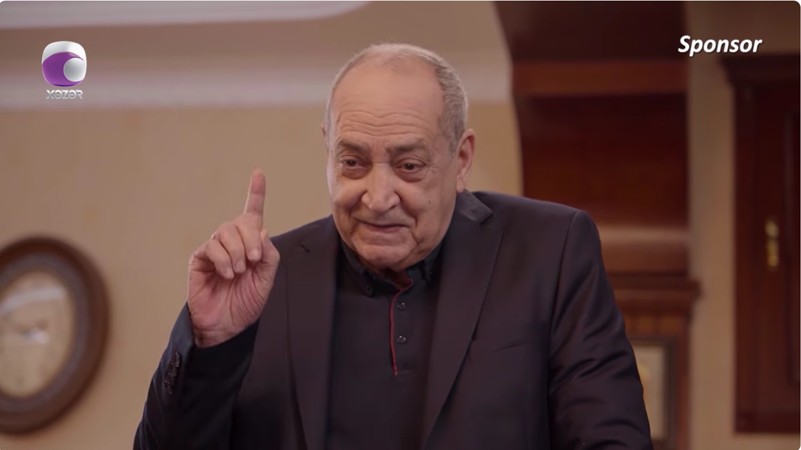
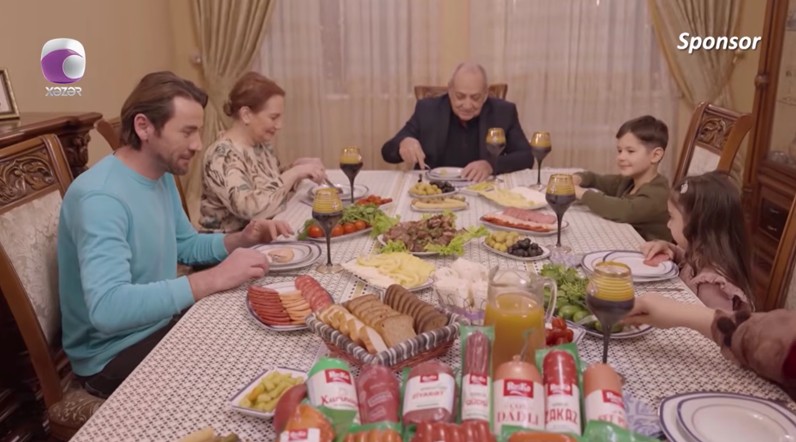
The advertisement featuring Rasim Balayev, who died at the age of 77 on March 29, 2026, is shown in the "Komedixana" program aired on "Khazar" TV. The video promotes sausages under the "Rosko" brand.
It is clear that the advertisement broadcast is carried out in accordance with the terms of the contract and if the terms and obligations have not been violated, then there is no illegality in continuing the display of the advertisement featuring the deceased person. Because when the terms and obligations have not been violated, the contract remains valid until the end of the stipulated period. As lawyer Əkrəm Həsənov told Medianews.az, if the person featured in the advertisement dies before the contract period ends but no violation of contract terms has been recorded, and the parties have fulfilled their obligations on time, for example, the fee for the person featured in the advertisement was paid on time, then there is no legal obstacle to continuing the broadcast of that advertisement.
However, there is also an ethical aspect to the matter. The display of an advertisement filmed while a person was alive, continuing after their death, causes strange feelings. Should such advertisements be stopped? If so, how - solely based on ethical principles, or is there also a need for an amendment in legislation?

Medianews.az asked this question, and Member of the National Assembly Sahib Alıyev answered that the continued broadcasting of advertisements featuring two deceased actors should be evaluated from three aspects: "Is such an act lawful? If the actor signed a multi-year contract and it did not contain a clause stating 'in the event of death, the advertisement would be stopped,' the company may use it until the end of that period. However, this cannot be considered correct ethically or from any marketing perspective.
Starting from the last point, having a deceased famous person on screen or on an advertising banner calling to "eat this sausage" or "drink this milk" is, to put it mildly, anti-advertising for the brand.
In my opinion, there is no need for a long explanation that this is not in line with ethical principles. What other feelings can such advertising evoke but surprise and irritation? I do not want to waste time citing examples from global experience on how well-known companies act in similar situations. Simply put, public condemnation and boycott have played a significant role in these companies' behaviors in such cases. However, I think that to prevent such instances in the future, an article should be added to the "Advertising Law" stating "The broadcasting of advertisements featuring a physical person who has died must be immediately stopped."
By the way, in many countries, the continuation of broadcasting advertisements featuring a deceased person, or the conditions under which this is allowed, are regulated by law. Still, I emphasize once again that well-known brands mostly withdraw such advertisements without waiting for the legal requirement, in order not to acquire a negative image."

Member of the National Assembly Elnarə Akimova told Medianews.az that she does not see a serious ethical problem here: "Advertising is primarily a business relationship and is based on a contract between parties. A person agrees to participate in the advertisement while alive, receives a fee in return, and broadcasting the advertisement during the contract period is a completely natural situation. The subsequent death of the person does not automatically make the contract or the advertising material morally unacceptable.
This issue should be approached logically, not emotionally. Companies invest large financial resources, time, and effort to create advertisements featuring well-known figures. It is not only the shooting process but also media planning, airtime, advertising billboards, and other expenses that are calculated in advance. Demanding an immediate cessation of the entire campaign just because the person featured in the advertisement has died does not appear justified either from a business or legal perspective. This would mean that the company's expenses and efforts would go to waste."
E. Akimova added that when discussing the ethical aspect, the main criterion should be the content of the advertisement: "If the advertisement does not demean the memory of the deceased, does not turn them into an object of mockery, or exploit their death, then the continuation of that advertisement's broadcasting should not be considered unethical. On the contrary, it is part of the professional activity the artist undertook during their lifetime.
Therefore, I do not see a need to change the legislation on this matter. The current legal mechanisms are quite clear: if the contract is valid and the parties have fulfilled their obligations, continuing the advertisement broadcast is normal. The ethical aspect should be assessed on a case-by-case basis. The mere fact of the person appearing in the advertisement having died does not automatically make that advertisement unethical."
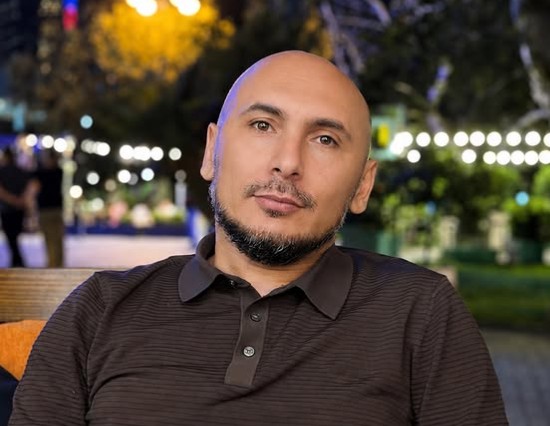
Marketing expert Müşfiq İsgəndərov also stated in an interview with Medianews.az that such cases are examined from two planes - legal and moral: "Since fate and destiny cannot be included in legal contracts, only the contract's expiry date is considered. Therefore, legally there is no contentious situation here.
The second legal issue is that brands reach agreements with the heirs of persons featured in advertisements. That is, when the person featured dies, they also obtain permission from the person's heirs and legal representatives. This means that brands behave not only in material equivalents but also morally.
However, there is another side to the matter. Marketing is designed to influence the human brain. Advertising must be able to transmit empathetic energy to viewers so that the psychological factor we call neuromarketing can work. If brands see that the image of a deceased person no longer evokes that factor and gives a contrary effect, they can stop the advertising campaign.
But I want to reiterate that there is no provision in law or advertising legislation requiring such a situation to be viewed negatively. However, marketing, which invites people to moral empathy, emphasizes social responsibility over material value, and promotes the idea of being there for people, risks negative public perception when continuing its advertisements with the image of a deceased person, because a negative association may form between the brand and people."
Nailə Qasımova,
Medianews.az