

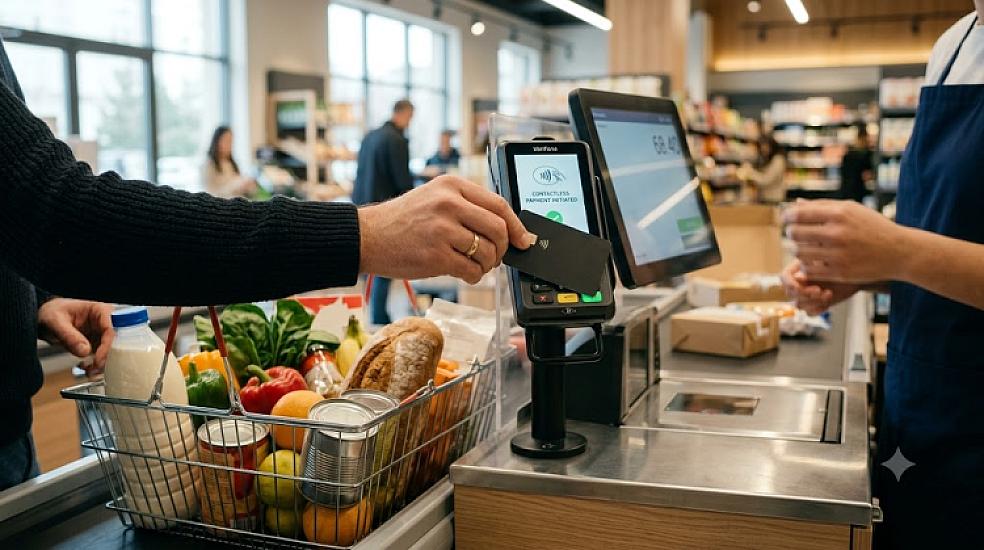

With the rapid development of technology, people's daily payment habits are also changing. While wallets full of cash and small coins used to be an integral part of our lives, today they are replaced by bank cards, mobile applications, and digital wallets. Now, when shopping in a market, paying the bill in a café, or even in street trade, a simple touch or scanning a QR code is enough.
However, this change is not just a matter of convenience. The expansion of cashless payments is also considered an important process that affects the country's economy, tax system, and business environment.
So, what advantages does the increase in electronic payments bring to the economy? How does it affect tax revenues and the state's budget income? It is often noted that cashless transactions help reduce the shadow economy. How does this mechanism work in practice, and what are its real results? At the same time, what new challenges does the expansion of cashless payments pose for businesses and consumers?
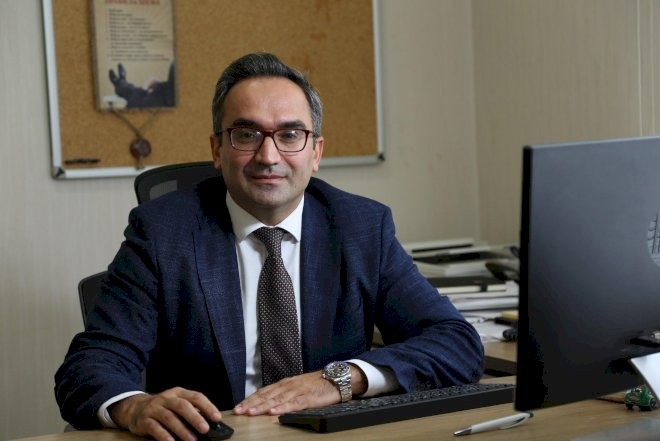
Regarding the topic, economist Khalid Karimli, answering Medianews.az's questions, stated that the increase in electronic payments, first of all, improves transparency in the economy. According to him, when electronic or card payments are made, they automatically leave an electronic trace: “This reduces the opportunities to evade taxes, increases transparency in the economy. Then, turnovers pass through the banking sector. This also creates additional opportunities for the banking sector. Accountability, transparency, and registration improve. Moreover, it is convenient for people. They experience the convenience of not carrying cash in their pockets. Because they can make electronic payments, they do not physically take and give money, they do not waste time, and they pay comfortably. The high volume of electronic payments accelerates the development of online commerce and digital platforms.
It also has a positive effect on tax matters. If there is an electronic or card payment, it means that tax evasion opportunities are eliminated. Because all these transactions pass through bank accounts and all are recorded. I am not referring to card-to-card transfers. I am talking about electronic payments executed via websites, as well as card and terminal transactions carried out in markets and other locations.

Card-to-card transfers, by their nature, are just an electronic form of the ordinary cash settlement we know. That is, it consists simply of one person sending money to another. Withdrawing 100 manat in cash and handing it over manually or transferring it card-to-card — basically, both mean the same thing.
Precisely for this reason, control over card-to-card transactions is gradually being strengthened. When a certain amount limit is exceeded, the source and purpose of the funds are questioned; that is, accountability is demanded with questions such as “where does this money come from, for what purpose is it sent, why do you have such a large turnover in card-to-card transfers?”
K. Karimli noted that one of the main difficulties businesses face here is that certain service fees are charged during digital and card payments: “Namely, in these transactions, up to approximately 2% commission is paid, and this is one of the biggest problems for entrepreneurs. Another problem for businesses appears when cash is needed. There are limits to withdrawing cash from banks; according to the tax regime, this limit usually varies between 15-30 thousand manat, and it is impossible to withdraw an amount exceeding the set threshold. Moreover, businesses also face an additional commission cost of about 2% during this cash withdrawal process.
For consumers, this system means additional comfort and convenience. Moreover, they have the opportunity to earn cashback from the payments they make. On the other hand, the state also encourages this process — the “VAT refund” rate during cashless payments is higher compared to cash settlements.
However, some challenges do exist. People who cannot properly use bank cards and are unaware of cybersecurity rules can become targets of global fraudsters. If previously pickpockets would steal from someone's pocket on a bus or burglars would break into homes, nowadays a small negligence is enough for someone sitting in Latvia to withdraw funds from your card. That is, the most critical point in this field is precisely IT security issues.”
Nailə Qasımova,
Medianews.az