
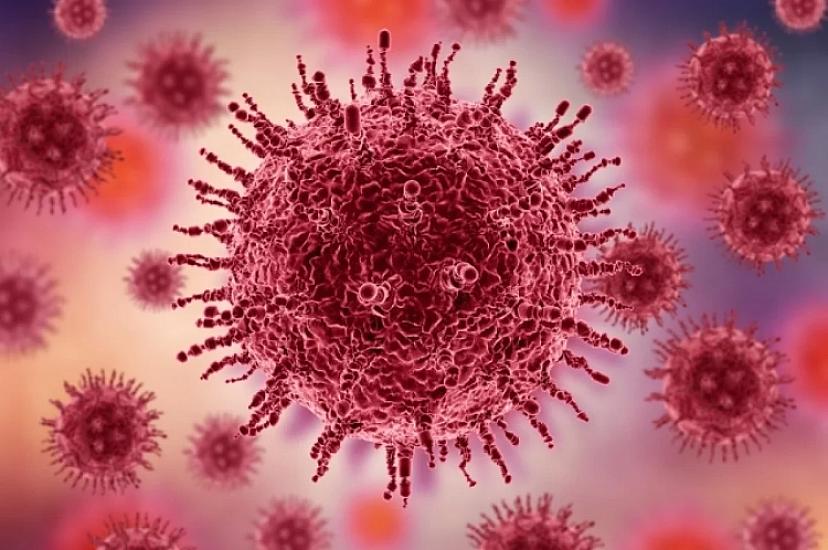
A team from Stanford University in the U.S. state of California has used artificial intelligence (AI) to create the genome of a new virus code-named "Evo-Φ2147," derived from the deadly E.coli bacteria.
"Instead of temporarily discovering evolved species, we can suddenly create life - yes, in a primitive sense, but the process has already started. This is not a hypothesis. This is not futuristic, this is happening," said British molecular biologist and entrepreneur in the field of technology, Adrian Vulfson.
It is noted that "Evo-Φ2147" was one of 285 new "Evo2" viruses created by an AI program. They were placed in Petri dishes, and 16 of them were able to attack E.coli. A mixture of all 16 strains was even able to defeat the most resistant forms of deadly bacteria. The material states that "Evo-Φ2147" is not exactly life, because it cannot reproduce outside its host and contains 11 genes compared to 20,000 genes in humans.
"However, this is proof that genomes can be entirely designed," the article emphasized.
Vulfson and his team are pioneers in this field. Scientists have invented a new tool called "Sidewinder" to create DNA, which is capable of constructing long genetic sequences 100,000 times more accurately than any previously developed technology. (Oxu.Az)