

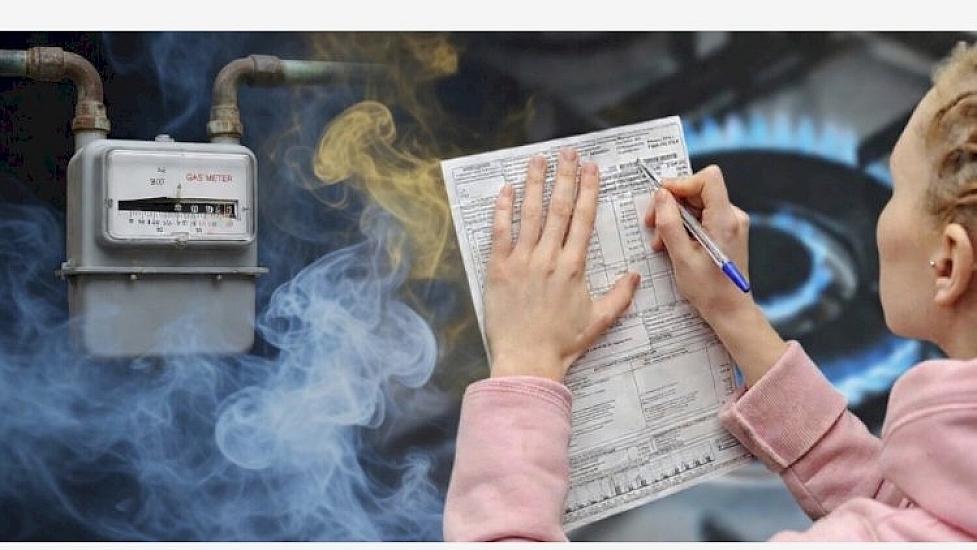

During the winter months, even when the weather is relatively mild, one of the most concerning issues in households is utility payments, especially gas expenses. This is because in many families, both heating, cooking, and hot water needs are met with gas.
As a result, the payment receipt at the end of the month can turn into a serious burden on the family budget. However, small changes in daily habits, reducing heat loss at home, and using gas more efficiently can make a noticeable difference in calculations.
To reduce gas expenses, it is important not only to use less but also to use it smartly. In other words, the goal is not to keep the house cold, but to achieve the same comfort with less consumption.
First and foremost, the factors causing heat loss at home should be considered. In many apartments, although gas consumption is high, the main reason is not that the boiler works too much, but that the obtained heat is quickly lost. Especially old windows, ajar doors, poorly insulated walls, and ventilation openings left constantly open transmit the heat inside the house to the outside. In such cases, the more the boiler or stove tries to heat the house, the more gas is consumed. Therefore, sealing gaps with insulation tapes around windows and doors, closing openings, using thick curtains, and protecting rooms with heat-retaining methods are considered some of the first steps.
One of the most effective ways to reduce gas expenses is to properly regulate the boiler’s temperature. Many families increase the boiler to the maximum setting to heat the house faster. However, this does not always yield better results. On the contrary, very high temperature causes both excessive consumption and uncomfortable heat in the room. Usually, a boiler regulated at a stable and medium level is considered both more economical and more comfortable. Frequently increasing and decreasing the temperature can also cause the device to work more.
Another important issue is the technical maintenance of the boiler and gas equipment. Devices that are not cleaned timely, have clogged filters, or are malfunctioning consume more energy to achieve the same result. Experts state that it is important to have the boiler undergo a technical inspection at least once a year for both safety and savings. Because sometimes users see the cause of high gas consumption as cold weather, but the real problem is the inefficient operation of the device.
Heating unused rooms during the day also causes additional expenses. If there are rooms in the house that are rarely used, it is possible to reduce the radiators in those areas to a minimum level or turn them off when not needed. Additionally, instead of trying to maintain the entire house at the same temperature, prioritizing rooms that are used more can reduce consumption. For example, while the living room and bedroom are kept warmer, the hallway and less used areas can have lower temperatures.
Gas use is not limited to heating. There is considerable consumption in the kitchen as well. Choosing the stove burner that matches the size of the pot when cooking may seem simple but plays an important role. Using a large pot on a small gas burner or heating a small pot on a large flame causes wastage. Also, gas flames extending beyond the edges of the pot mean wasted energy. Cooking in a covered pot, not boiling more water than necessary, and multitasking are also habits that save energy in the kitchen.
Hot water usage also directly affects gas consumption. Especially in households that get hot water from a boiler, long showers, leaving taps unnecessarily open, and using excessively hot water are reflected in the monthly bill. Taking shorter showers, using hot water as needed, and not letting the tap run unnecessarily can make a serious difference. In some families, water running while waiting for it to heat causes both water and gas loss.
Furniture placement at home also affects heat distribution. Sometimes large sofas, tables, or thick curtains are placed in front of radiators. This prevents heat from spreading into the room, and as a result, the user feels that the house is not warm enough and increases the boiler temperature. Radiator fronts should be kept as open as possible, allowing warm air to circulate freely in the room.
Lowering the temperature somewhat during night hours or when the house is empty is also an effective method to reduce gas expenses. But this decrease should not be very sharp. Because after the house completely cools down, reheating may require more consumption. The most optimal way is to reduce the temperature slightly but not to turn the house into a completely freezing condition. Families who use smart thermostats manage this process more comfortably.
One of the most important issues for those who want to reduce gas expenses is to change daily habits. For example, instead of keeping the window open for hours, it is more correct to air the room for a short but effective period. In this way, the room’s air is refreshed, and walls and furniture do not fully cool down. Windows left open for a long time cause the boiler to work more.
In some cases, people try to use gas devices dangerously in order to save. For example, continuing to use a faulty boiler, operating a gas stove in an inappropriate way for heating the room, or entrusting technical interventions to unprofessional persons creates serious risks. Therefore, savings should not come at the cost of safety. The most proper approach is to both reduce consumption and maintain safety.
Experts believe that the most effective model to reduce gas payments is the combined application of several methods. That is, just keeping the boiler at a low level is not enough. The house insulation should be improved, devices should be in good condition, rooms should be managed properly, and family members should be more careful in daily use. These rules may seem minor at first glance, but when applied together, they create a significant reduction in monthly expenses./Yeni Sabah