



On one hand, companies complain about not being able to find skilled workers, while on the other hand, thousands of people search for jobs for months. This contradiction highlights the problem known in English as “skill mismatch,” which is relevant not only in Azerbaijan but in many countries around the world. The term “skill mismatch” refers to the discrepancy between the skills demanded by employers and the knowledge and skills possessed by the workforce.
How pronounced is this problem in Azerbaijan’s labor market?
Do we often encounter a mismatch between the skills demanded by employers and the knowledge and skills the workforce has?
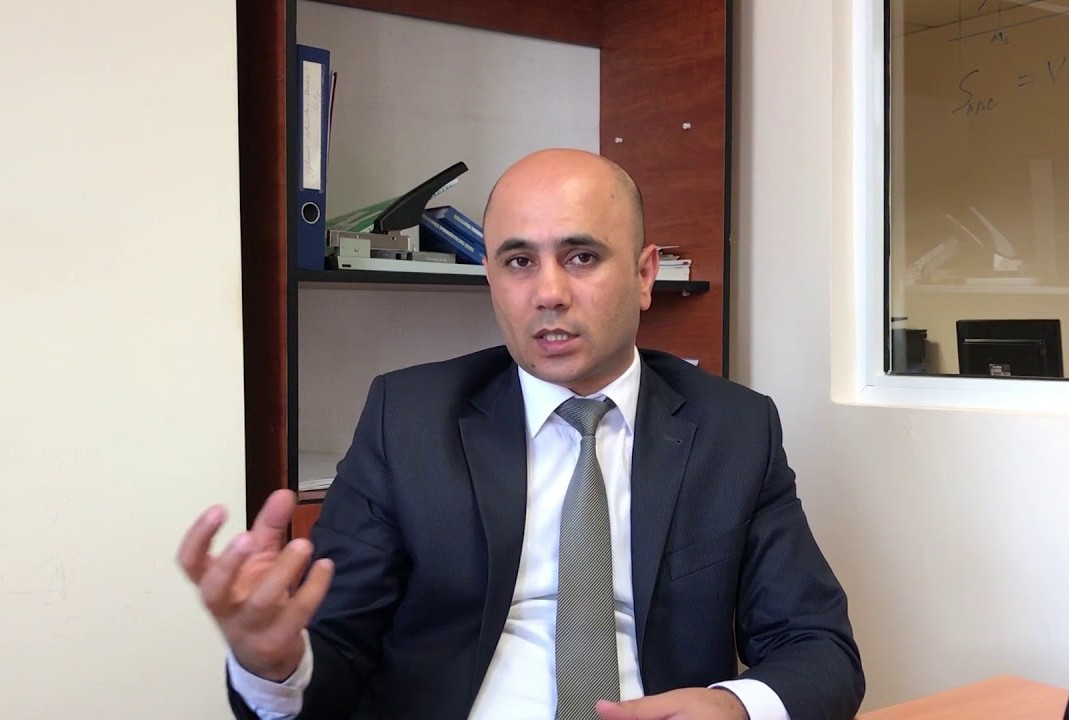
Regarding the issue, economist Rashad Hasanov told Medianews.az that in Azerbaijan, differences between the quality and structure of labor market demand and supply, skill mismatches, and the supply not meeting demand emerge radically.
According to him, various factors can be listed here: “Firstly, a sociological factor can be characterized as purposelessness. Unfortunately, in many cases, when people enter universities, they approach the matter not from the perspective of acquiring a profession, skills, and knowledge, but rather to meet certain societal demands or the expectations of relatives and parents. This weakens the willingness to dedicate time to education during the university period, resulting in lower-quality qualifications, which later leads to a tendency to look for jobs in completely different directions in the labor market.
I believe that foremost, serious awareness efforts should be conducted to eliminate the wrong approach toward the education system, and in the medium to long term, selections compatible with labor market demand should be encouraged.”

According to the economist, the second problem here could be the university admission mechanism: “People can write down 15 majors when entering universities, and depending on their knowledge level, they get admitted to one of these majors. In most cases, applicants are forced to choose second-tier majors due to score limitations rather than the majors they desire. Such a situation further degrades the educational process, which is already accompanied by purposelessness, into an even lower-quality stage.
In addition, participating entities in the education sector do not seem very interested in aligning their activities with labor market demands: “Here, business interests come to the forefront more. Unfortunately, our education ecosystem cannot rationally manage and steer the educational demand irrationally formed by the public. As a result, this demand, which stems from ignorance, lack of information, and personal ambitions, is not reflected in the labor market and causes serious problems.
A situation has arisen where obtaining an international certificate can bring more benefit to citizens in terms of professional and skill improvement compared to 4-6 years of university experience.”

R. Hasanov points out that another shortcoming is young people’s preference for theoretical education without understanding the labor market: “However, in some developed countries, people first clarify their choices in working life and then prioritize higher education in that direction. For example, in Germany, typically after completing secondary education, individuals integrate into the labor market in one way or another, learn, and find themselves. After finding themselves and clarifying their preferred field, they take higher education in that field, thus becoming more qualified personnel. This means studying consciously, knowledgeably, and purposefully.
In Azerbaijan, children at a young age tend toward some choice, and in most cases, they are subject to outside influences at this time. Due to their lack of information about life and future labor market demand forecasts, many cannot clarify their goals and desires and have to study in undesired majors. In the end, the majority of them do not work in their professions.
I believe that in the future, prioritizing approaches based more on the German experience in Azerbaijan can lead to a significant qualitative change. There are quite different factors here. These factors can be solved by being managed in a combined way.”
Nailə Qasımova,