

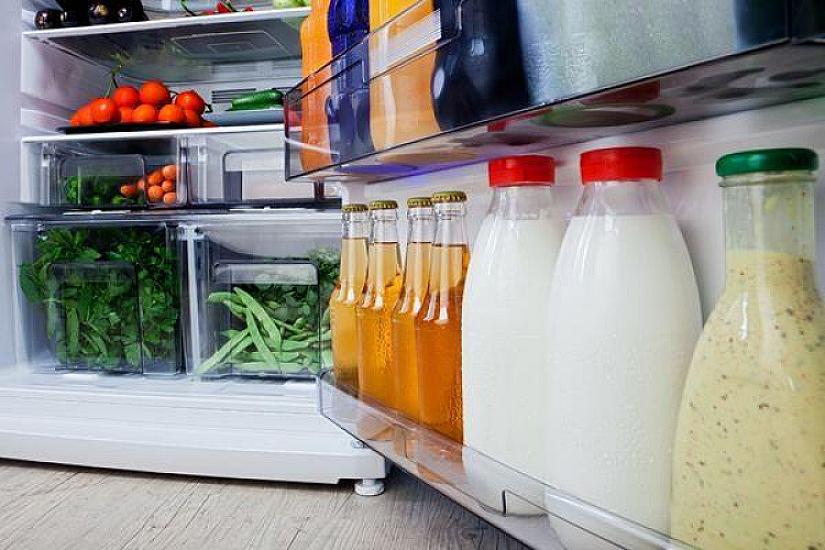

The numbers on the refrigerator do not indicate the temperature as most people think. Many people do not use the refrigerator temperature controller correctly and assume that the numbers on the mechanical knob represent the degrees Celsius. In fact, in most models, these numbers indicate the cooling power, not the actual temperature inside the compartment. For this reason, food can spoil faster or become overcooled and freeze.
Lent.az presents these mistakes:
What do the numbers on the controller represent?
In most refrigerators with mechanical controls, the numbers on the controller indicate the compressor’s operation intensity. Lower indicators (1-2) mean weaker cooling. In this mode, the temperature inside the refrigerator is higher, which can reduce the shelf life of dairy products, meat, and fish.
Higher indicators (5-7) activate maximum cooling. However, continuous use of this mode can cause food to freeze, cause ice layer formation on the back wall, and increase electricity consumption. According to experts, the ideal temperature for storing most foods is considered between +1 and +5 degrees.
How to find out what the numbers on your refrigerator mean?
Although some modern refrigerators directly show temperature in degrees, most household models still use a scale that shows cooling power.
To check this, it is recommended to pay attention to the compressor’s operation. If after turning the controller to a higher number, the compressor starts working more intensively, this indicates an increase in cooling power. If the compressor stops or works less, in that model the controller might be a temperature indicator.
Why is it important to place products properly?
The temperature is not the same in all parts of the refrigerator. There can be a difference of several degrees between shelves. Upper shelves are more suitable for cooked meals, yogurt, and desserts. It is recommended to store dairy products and sausage items on the middle shelves. The lowest shelf is the coldest part of the refrigerator, so raw meat and fish should be stored there.
Vegetables and fruits stay fresh longer when stored in special humidity compartments. The refrigerator door is considered the warmest part because it is opened and closed frequently; therefore, sauces, jams, drinks, and products more resistant to temperature changes should be stored there. It is not recommended to store milk and eggs in the door.
Which mistakes should be avoided?
Experts recommend not overfilling the refrigerator. Because when cold air cannot circulate freely, cooling efficiency decreases and energy consumption increases. Also, it is not proper to put hot food directly into the refrigerator. Food should first be cooled to room temperature.
Using a separate refrigerator thermometer is useful to maintain accurate temperature control. In summer months, when room temperature rises, it might be necessary to increase the cooling mode slightly.
Additionally, regularly cleaning the shelves, checking the condition of door gaskets, and timely defrosting refrigerators without a No Frost system help both to keep food fresher for longer and to save electricity.