

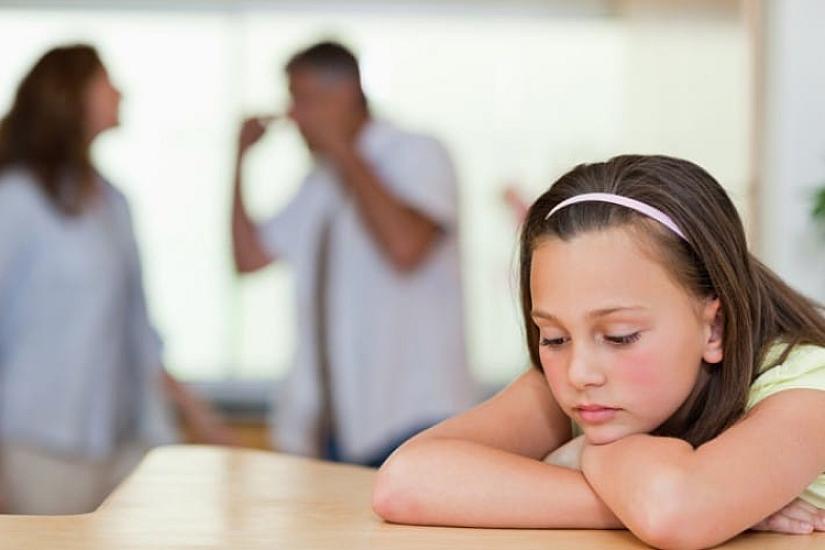

The divorce process is considered one of the sensitive topics that affect the emotional state and psychological development of children. At this stage, it is especially important for parents to properly explain the situation to the child and keep them away from intra-family tension. It is crucial that the child does not feel guilty and feels the support of both parents. So how should the news of divorce be delivered to the child so that this process is healthier for them? What behaviors should parents avoid during this process? What should be done to protect the child's emotional state? In general, how does divorce affect the psychology of children?

In a statement to Medianews.az on the subject, psychologist Nizami Orucov said that divorce is one of the events that causes serious changes in a child's life. However, from a psychological viewpoint, the most harmful aspect for the child is not the divorce itself, but how this process is managed.
According to him, constant arguments, aggression, mutual accusations, and involving the child in the conflict can have a more severe impact on their psychological health:
“The news of the divorce should be explained to the child calmly, in a safe environment, and if possible, together by both parents. It should be communicated in simple language appropriate to the child’s age that this decision is related to the relationship between the parents and that the child is in no way to blame. The child should know that their parents will no longer live together, but both will continue to love and care for them as before. Parents should not force the child to choose sides in this process, should not blame the other parent in front of the child, and should not use the child as a mediator. Expressions such as ‘Dad left us’ or ‘Our family broke apart because of Mom’ increase the child's emotional burden and may cause feelings of guilt, anger, and inner conflict.”
The psychologist noted that after divorce, sadness, anxiety, fear of separation, withdrawal, aggression, decreased interest in studies, or behavioral changes may be observed in children:
“Young children sometimes expect their parents to reconcile, while adolescents may express their feelings through more aggression or silence. To protect the child’s emotional state, as much stability as possible should be maintained in their daily life. School life, friends, daily routine, and the relationship with both parents should continue as much as possible. Parents must listen to the child's feelings without minimizing them, allowing them to cry, be sad, and ask questions. If long-lasting depressive symptoms, severe anxiety, sleep and behavioral disorders, or serious difficulties in adjusting to school are observed in the child after the divorce, seeking psychological support would be beneficial. It should not be forgotten that the most important need for the child is not that their parents live together, but that they feel safe, loved, and valued. If parents can cooperate and prioritize their child's emotional needs after separation, the child can get through this difficult period more healthily.”
Oguz Ayvaz,
Medianews.az