
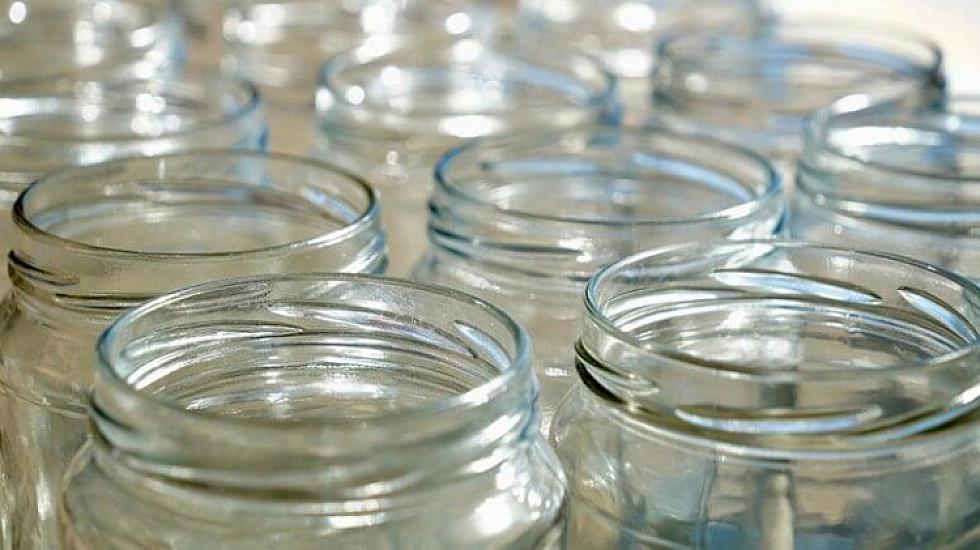
Many of us keep glass jars to reuse them. However, experts warn that improperly stored and accumulated empty jars can become nests of bacteria and mold at home.
According to Milli.Az, British environmental health expert Dr. Sarah Jenkins states that although glass itself is non-porous, tightly closed and stacked empty jars create "micro-moisture prisons" inside. In places where temperature frequently changes, such as the kitchen, this moisture condenses inside the jar and creates an ideal environment for staphylococcal bacteria as well as mold spores.
Cupboards or basements filled with hundreds of empty jars disrupt the room's moisture balance. This causes the spread of volatile organic compounds known as "stale odors" in the space and ultimately leads to a decrease in indoor air quality.
Microscopic cracks in the glass may retain residues of previously stored substances (detergents, paint, or strongly smelling oils). Experts call this "chemical memory." When food is placed again into these jars, these substances can transfer to the food causing chronic poisoning.
Although the glass itself is safe, old or damaged lids pose serious risks. Rusty lids or those with worn-out rubber parts allow air into the food, leading to quick spoilage.
A 3-point action plan from experts:
Remove all empty jars you have not used in the last 6 months from your home.
Never store jars with the lid on; ensure air circulation.
Dispose of these jars not in regular trash bins but in glass recycling containers, because glass is a 100% recyclable material.