
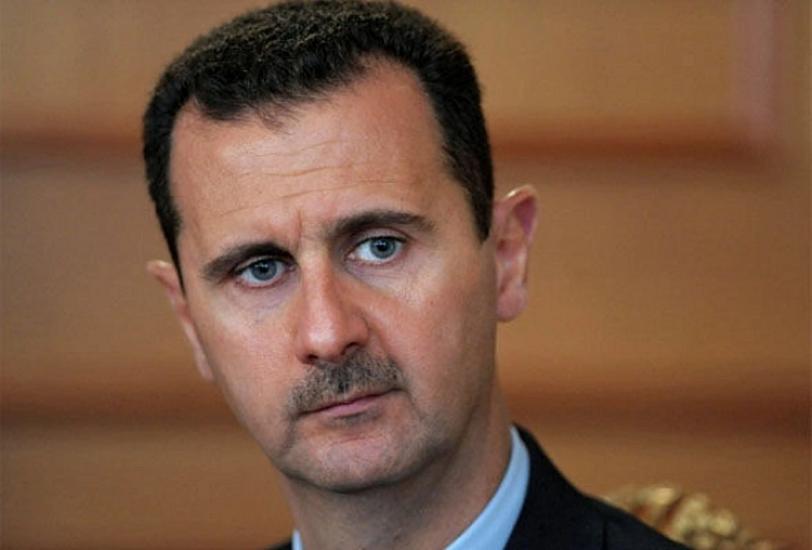
As the regime approached collapse, Syria's ousted president Bashar al-Assad became detached from reality and addicted to video games.
Medianews.az, citing axar.az, reports that this was disclosed by "The Atlantic" magazine.
"Those inside the palace say that he repeatedly rejected diplomatic supports from regional and Western powers that could have helped him maintain his rule. He spends the entire day sitting in the palace playing 'Candy Crush' and other video games.
Even in recent days, foreign ministers called him to offer deals, but he did not answer the phones. Assad refused to compromise or accept any limitation on his power.
The most notable example of Assad's foolishness occurred during the first Trump administration. In 2020, Washington sent two officials — Roger Carstens and Kash Patel — to Lebanon to find Austin Tice, an American journalist who disappeared in Syria in 2012 and was believed to be in Assad's custody. Abbas Ibrahim, then head of Lebanon's General Security Directorate, brought the two to Damascus where they met with Ali Mamluk, a senior Assad security official.
Carstens says the Americans raised the issue of Tice, and Mamluk replied that before discussing any demands, the US must lift sanctions and withdraw troops from Syria.
The US government agreed to these terms in exchange for evidence that Tice was alive. Assad, however, surprised everyone by saying there would be no agreement or negotiations. He cited as the reason Trump's earlier description of him as an animal," the publication writes.