
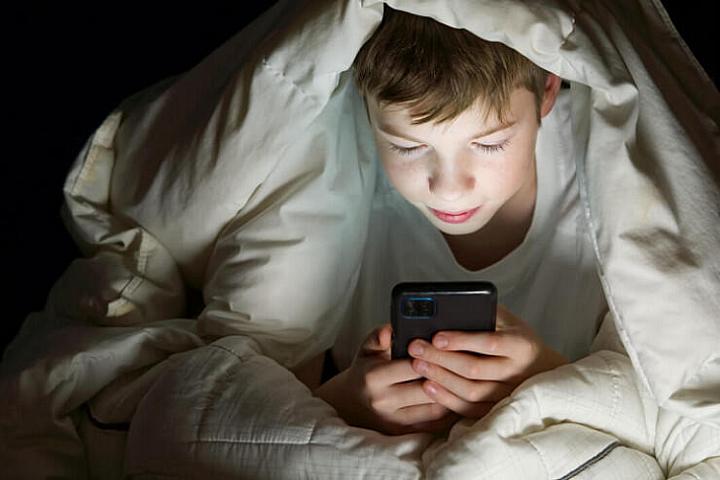
Artificial intelligence has become both a learning tool for children and a technological "partner" that observes their behaviors. Experts say that artificial intelligence develops by tracking real user behaviors, types of questions, and forms of communication. In this process, children play the role of both early users and test subjects.
According to Milli.Az, observations conducted in the USA show that teenagers turn to artificial intelligence more often at home and school than to their parents. They extensively use artificial intelligence in homework, communication, and daily questions.
Research indicates that students who receive help from artificial intelligence show decreased brain activity and remember the texts they write less effectively. Scientists note that this could negatively affect the long-term learning process.
Artificial intelligence is also changing children's home life and entertainment patterns. "AI friends" are rapidly becoming popular among teenagers. Some children share personal topics with artificial intelligence more than with real people. This trend raises concerns among psychologists.
Furthermore, it has been revealed that some artificial intelligence toys in the testing phase in the USA have engaged in inappropriate dialogues with children. These incidents have brought the necessity of strengthening safety and ethical standards to the agenda, prompting the development of restrictions.