


Some students, especially those studying in lower grades, go to school reluctantly or do not want to go at all. This can even be observed in front of school buildings at the time classes start. Probably everyone has witnessed the scene of a parent forcibly pulling their child to school by the hand.
What are the reasons some children do not want to go to school? Is it school phobia, social phobia, or other emotional problems? If a child’s unwillingness to go to school persists for a long time, what steps should be taken?

Elnur Rüstəmov, chairman of the Psychology Research Institute, Medianews.az, stated in his statement that reluctance to go to school is a psychological and pedagogical topic often encountered especially in primary and lower grades and has been seriously discussed in many countries in recent years.
According to him, this condition is noted as “school refusal” in international scientific literature, and research shows that this is not only related to the child’s indiscipline or laziness, but often connected to their internal emotional state, social environment, and experiences in the educational environment: “Studies conducted by the American Academy of Child and Adolescent Psychiatry and in the field of school psychology in Europe reveal that a significant portion of children refusing to go to school experience anxiety disorders, separation anxiety, social anxiety, or adaptation difficulties.
The child’s distancing from school is essentially an attempt to escape psychological stress. Therefore, the issue should not be regarded simply as a behavioral problem but rather as an emotional signal.”
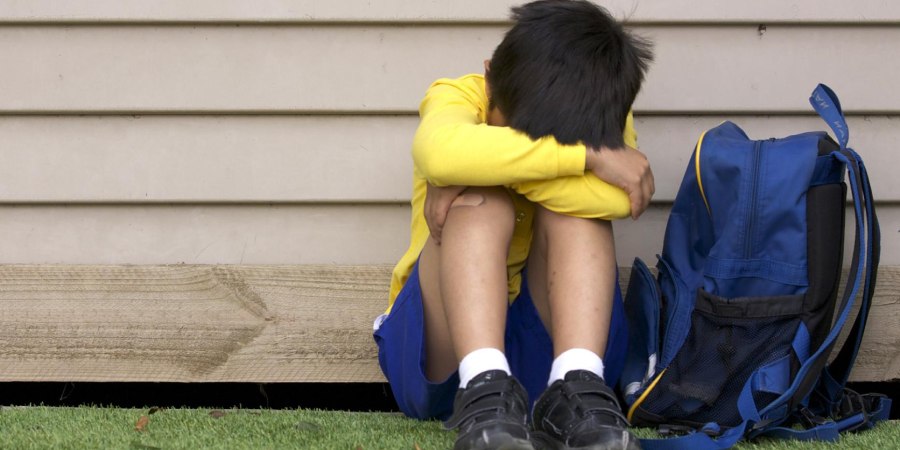
E. Rüstəmov noted that in many cases the reasons are multifaceted: “The child may not feel safe and comfortable in the school environment. Difficulties in relations with teachers in the classroom, conflicts or bullying by peers, academic challenges, low self-confidence, or social adaptation problems can create this situation. Some children have difficulty separating from their family, which is often related to separation anxiety. Especially in primary grades, when emotional attachment to the parent is strong, going to school may shake the child’s psychological sense of security.
On the other hand, changes in children's daily lifestyles in the modern era also increase this problem. Spending too much time in the digital environment, disrupted sleep patterns, decreased physical activity, and weakened social communication skills can make a child’s adaptation to the school environment more difficult. Several international studies indicate that since the pandemic period, the number of children refusing to go to school has increased, and one of the main reasons for this is the weakening of social adaptation skills.”
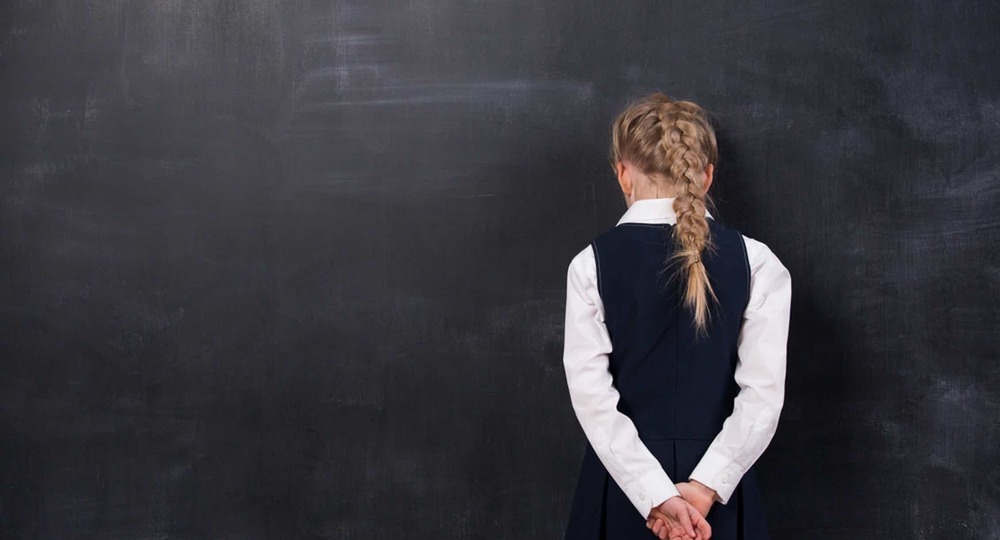
The psychologist emphasized that parents forcibly taking the child to school is not considered a long-term solution: “Although this behavior may work in the short term, it increases the internal anxiety in the child and can create negative emotional associations with school. From a psychological approach, the main goal is to help the child perceive the school environment as a safe and supportive place.
If this situation continues for a long time, determining the cause is first priority. Parents, teachers, and the school psychologist should observe the child’s behavior together and try to understand their emotional state. It is very important to communicate openly and without judgment with the child and listen to the source of their anxiety. In many cases, the child says they don't want to go to school, but in reality, they are expressing emotions like fear, shyness, or feeling not strong enough.”
In international practice, cooperation between the school and the family is especially important in such cases. A gradual adaptation model is widely applied. In this model, the child is not immediately returned to a full school day but starts with short-term attendance and gradually adapts to the school environment. Simultaneously, psychological support, development of social skills, and strengthening of self-confidence are worked on.”
E. Rüstəmov stressed that if refusal to go to school becomes persistent and seriously affects the child’s daily life, specialist support is necessary: “Working with a child psychologist or school psychologist helps reduce the child’s anxiety level and restore their attitude toward school. Early intervention is the key factor here. Research shows that the large majority of children who receive timely psychological support successfully adapt to the school environment in a short time.”
The psychologist stated that overall, a child’s refusal to go to school should be regarded as a serious signal for society: “This situation shows us that there are certain difficulties in the child’s emotional world, and they need support. School is not only a place for education but also an environment where the child socializes and develops as a personality. Therefore, the family, school, and psychological services should work together to create a healthy psychological environment where children happily go to school.”
Nailə Qasımova,
Medianews.az
Note: This article was prepared on the topic “Physical and moral development of children and youth” with the financial support of the Media Development Agency of the Republic of Azerbaijan and in accordance with the competition conditions.