

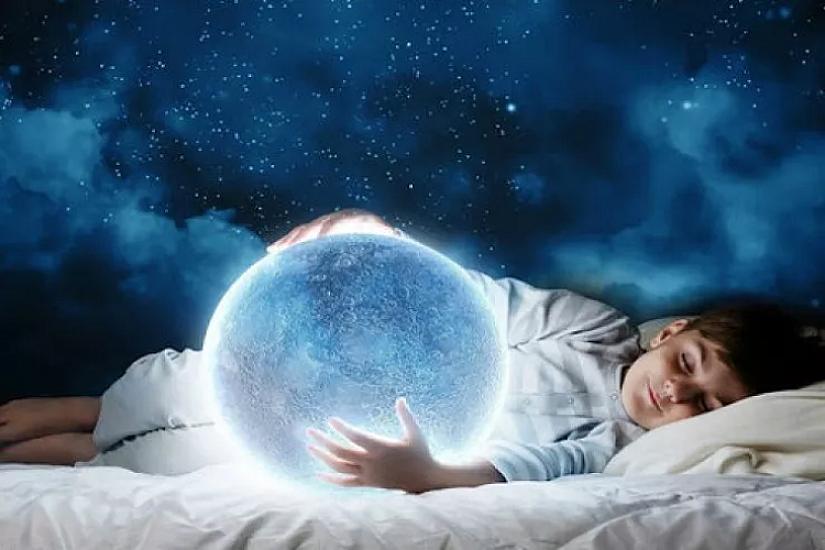

Scientists have determined that during dreams, the brain does not simply replay events that happened throughout the day, but recombines them to create entirely new and sometimes surreal plots.
Medianews.az reports that this study was conducted by the "IMT School for Advanced Studies" Lucca located in Italy, and 287 volunteers participated in the experiment.
The participants recorded the events they experienced and the dreams they had every day for two weeks. Later, this data was analyzed using artificial intelligence, and in total, more than 3,700 dreams were compared with real events.
The study showed that familiar locations in dreams are not repeated exactly as they are; instead, they blend and change with various memories, expectations, and elements of imagination. For this reason, people often see different, even unusual forms of places they recognize in real life in their dreams.
According to the scientists, not only the events of the day affect dreams, but also a person’s individual characteristics, the quality of the dream, frequent distraction of thoughts, and attitude towards dreams. For example, people whose thoughts often wander experience more fragmented and rapidly changing dreams, while those who attribute special importance to dreams report more complete and meaningful dreams.
The researchers also compared these results with data collected during the COVID-19 pandemic period and found that dreams at that time were more emotional and often reflected themes of restrictions and isolation. Over time, as people adapted to the new conditions, the intensity of these motifs diminished.
The lead author of the study, Valentina Elce, stated that dreams are not simply a reflection of the past but a dynamic process formed based on a person's experiences and internal state.
According to the scientists, studying dreams allows for a better understanding of the mechanisms of memory operation, the functioning of consciousness, and emotional adjustment.//Lent.az