

Until recent years, a higher education diploma was considered the main key to a successful career. For young people graduating from school, virtually the only path was to enroll in a university, study for four or five years, and obtain a diploma. However, due to the impact of the digital economy, artificial intelligence technologies, and the rapidly renewing labor market, this approach has started to change. Employers now assess more not on which university a candidate graduated from but on what skills they possess and whether they have applied them in a real work environment.
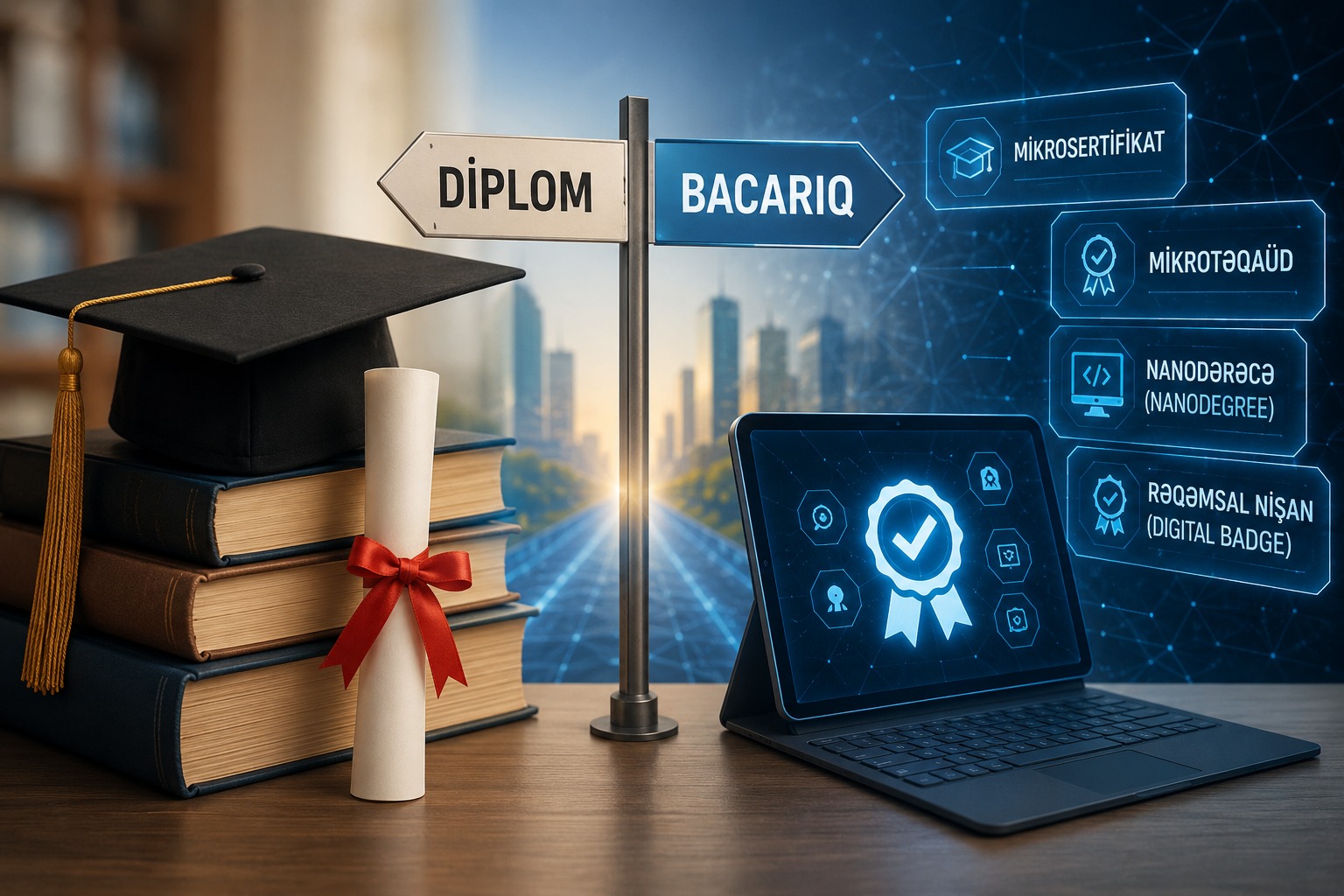
This change has also led to the emergence of new concepts in the education system. Short-term and skill-specific programs such as "microcertificates," "micro-credentials," "nanodegrees," and "digital badges" are rapidly spreading worldwide. These programs, which last several weeks or months, provide participants with the opportunity to acquire specific knowledge and skills demanded in the labor market. Leading technology companies and reputable educational platforms around the world now offer thousands of such programs.
This trend raises an important question: Will the higher education diploma (university, academy) retain its previous significance in the future labor market, or will microcertificates and other flexible education models become its alternative?
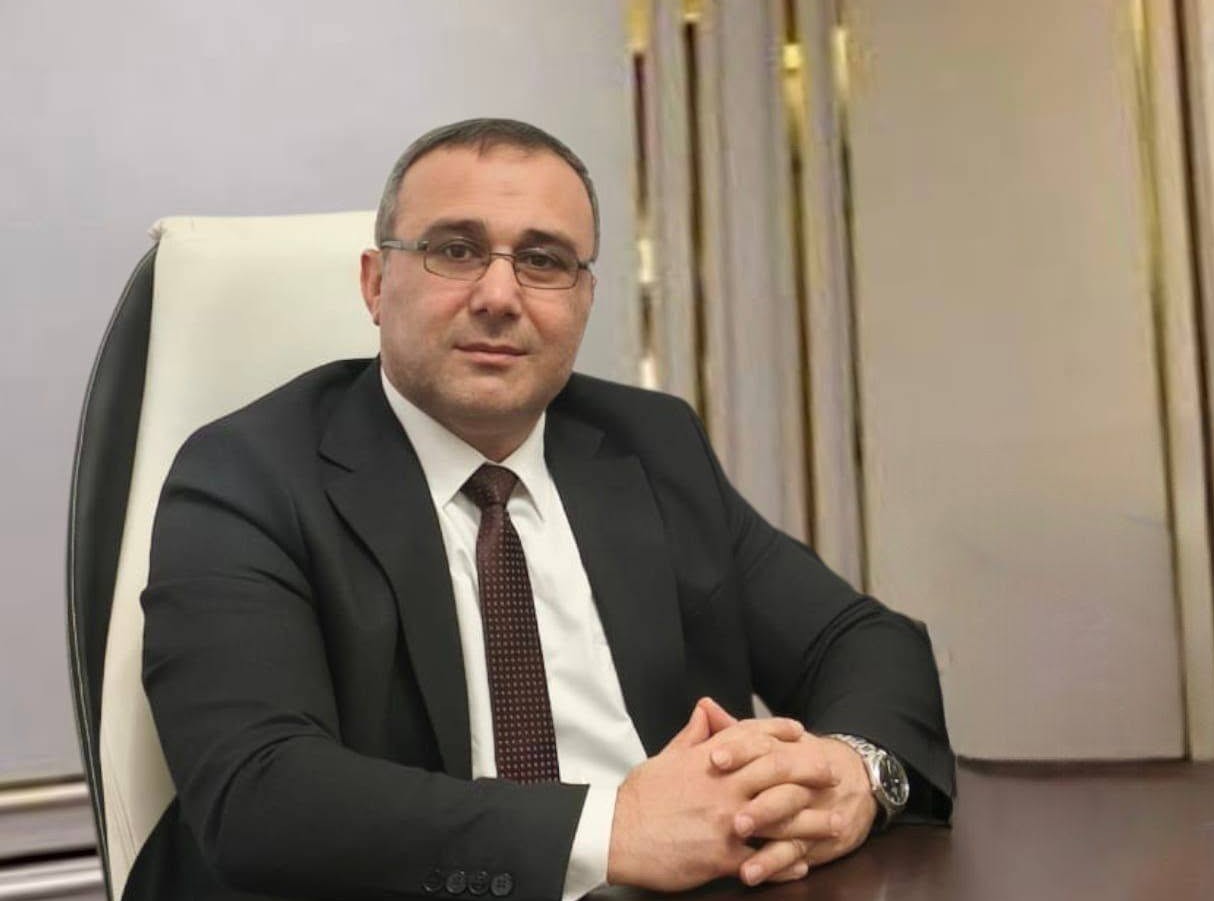
Speaking to Medianews.az, education expert Ramin Nuraliyev stated that while in earlier years a diploma was required for integration into the labor market and given certain designations, now the main requirements are defined by the demands of the knowledge capital society and digitalization. According to him, in the face of these demands, even though a young person graduates from a higher education institution, they must definitely acquire modern knowledge and skills in their specialization: “Also, one is forced to choose specializations that correspond to the requirements of the contemporary era and the labor market. Because it is already the era of artificial intelligence and digitalization. If one does not choose specialties that meet the demands of the time, it is difficult to hold a position in the labor market. Therefore, our youth must definitely think about and select specialties and fields that meet the demands of the labor market.

A diploma is a means. What is important is the knowledge and skills of the young person. Currently, in developed countries of the world, especially in Europe, there are certificates that already hold international significance. Young people who obtain these certificates, especially in information technology and computer-oriented and other fields, can easily secure a position in the labor market.
This shows that now opportunities are opening for young people who acquire certain knowledge, skills, and certificates without a diploma to integrate into the labor market. Perhaps in a few years, the diploma will have only a formal character. Because in several countries, distance and hybrid education have already been established. People can easily obtain diplomas in these formats and gain the necessary knowledge and skills to join the labor market. Therefore, the main goal of young people should be to apply to the specialties demanded by the era along with getting a diploma and to improve themselves in these specialties,” he said.
R.Nuraliyev emphasized that higher education institutions also have certain responsibilities: “Higher education institutions have great influence in the easy integration of young people into the labor market. If a higher education institution imparts the necessary knowledge and skills to young people, they will both receive a diploma and have the necessary potential to enter the labor market. Those who do not acquire certain knowledge and skills will sooner or later be pushed out from the labor market.
In the labor market, it is no longer the diploma but knowledge and skills that are important. If there is no knowledge and skill, even if you have 10 diplomas, it will be of no use. But a person who has knowledge and skills and does not have a diploma is positioned today in the labor market because of the broadening of knowledge in that profession and field. I believe that the relevant steps are currently being taken in this direction in our country as well. Because employers pay special attention not only to the diploma but also to the knowledge and skills of the person alongside the diploma.
Therefore, our recommendation to young people is that to be easily integrated into the labor market, they should develop their knowledge and skills in the specialty they are studying, join internships and volunteer programs, strengthen their practical knowledge, and enhance their abilities through various courses. I repeat again, the diploma is a means. Having this means is desirable, but knowledge and skills are the main criterion and superiority.”
Nailə Qasımova,
Medianews.az