
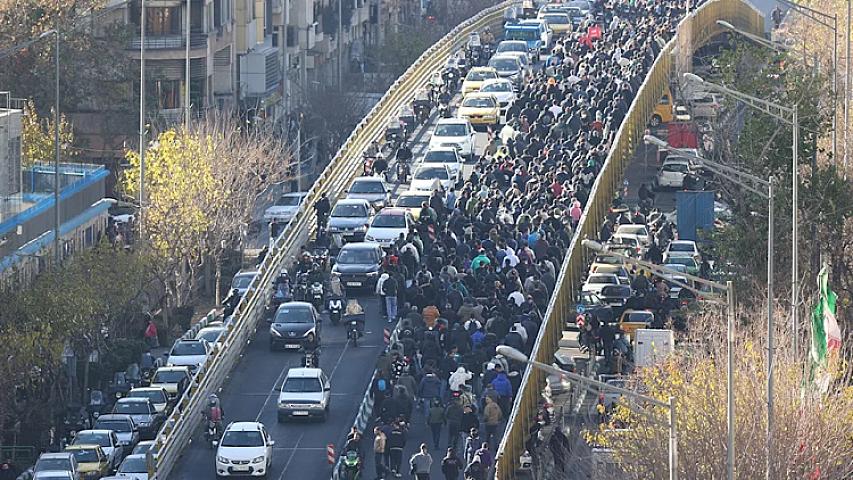
“The last Shah of Iran's son, Reza Pahlavi, calling the Iranian people to take to the streets on January 8 and 9 is a pulse check not only for himself but also for the US and Israel,” says political analyst Elkhan Shahinoglu.
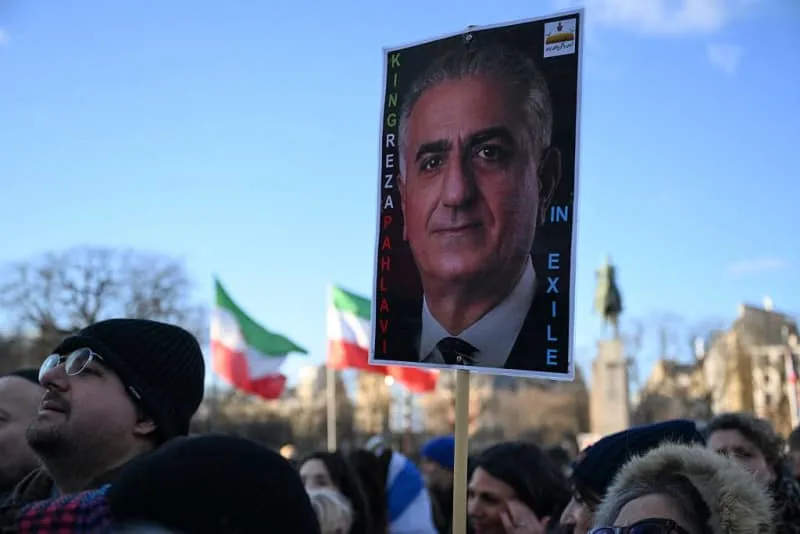
In a statement to Medianews.az, E. Shahinoglu said, Reza Pahlavi has presented himself in the US and Israel as the main alternative to the Iranian regime: “What encouraged Pahlavi was the mention of his name and chanting of slogans in his favor during recent protest marches in Iran. However, the absolute majority of the various nations living in Iran, including Azerbaijanis, do not want the restoration of monarchy rule in the person of Pahlavi instead of the mullah regime.”
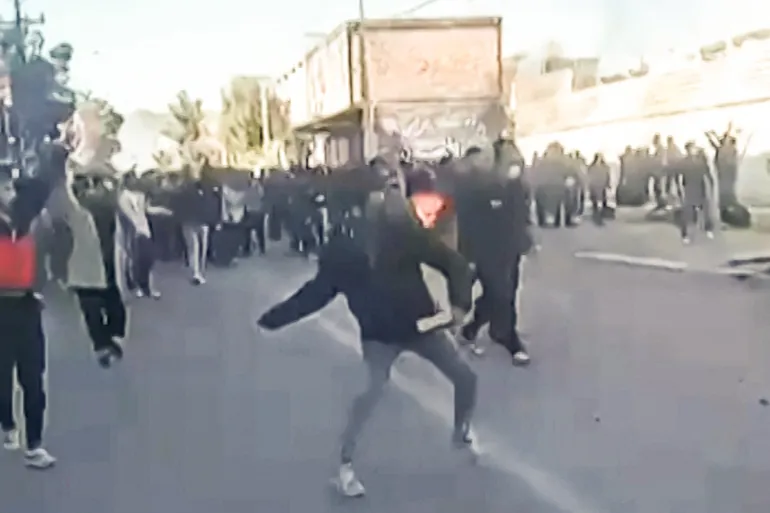
Nevertheless, there are quite a few among the Persians protesting against the mullah regime who have sympathy for the Pahlavis. If in line with Pahlavi’s call the protests on January 8 and 9 in Iran are more massive compared to previous days, Washington's and Tel Aviv’s confidence in Reza Pahlavi will increase; otherwise, the US and Israel will start planning alternative options.”
Let us recall that the Pahlavi dynasty ruled Iran from 1925 to 1979. Reza Pahlavi is the eldest son of Mohammad Reza Pahlavi, the second and last Shah of Iran. He was born on October 31, 1960, in Tehran. He has been a prince since 1967. In 1978, he left Iran to undergo military training in the US Air Force. A few months later, in 1979, the monarchy was overthrown due to the Islamic Revolution, and Mohammad Reza Pahlavi, along with his remaining family members, fled the country. Since then, Reza Pahlavi has lived in the US. He is currently settled in Los Angeles. He received higher education in political science at the University of South Carolina.
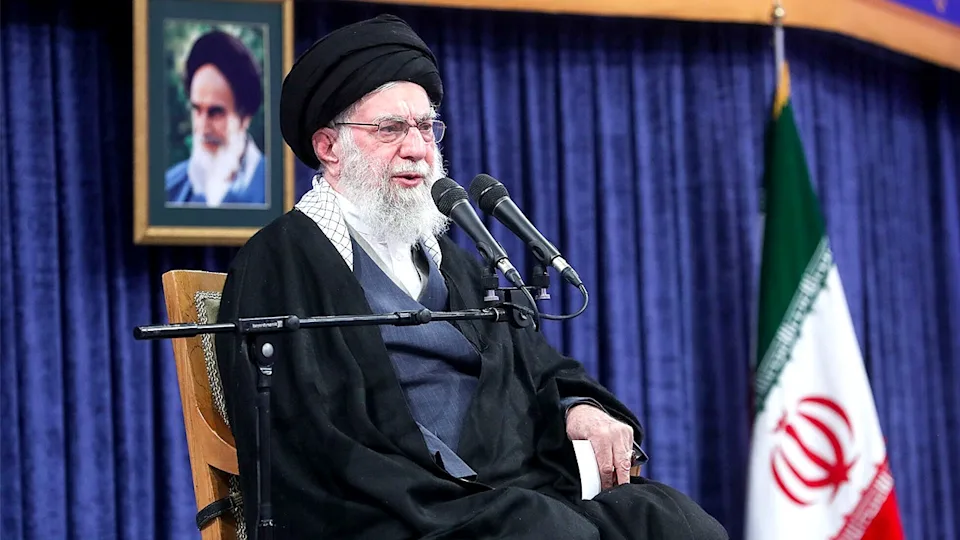
The Islamic Republic of Iran was established in 1979 in the wave of revolution. The head of state powers are exercised by the Supreme Leader elected by the Assembly of Experts. Since June 3, 1989, this position has been held by Ali Khamenei, born in 1939. The president of Iran, who functions as the head of government, is elected by popular vote for a four-year term. Since July 28, 2024, Masoud Pezeshkian, born in 1954, is the president. The 290-member national parliament (Islamic Consultative Assembly) is elected every four years through a majoritarian system (by constituencies). The current parliament was formed in the spring of 2024.
Naila Gasimova,
Medianews.az