
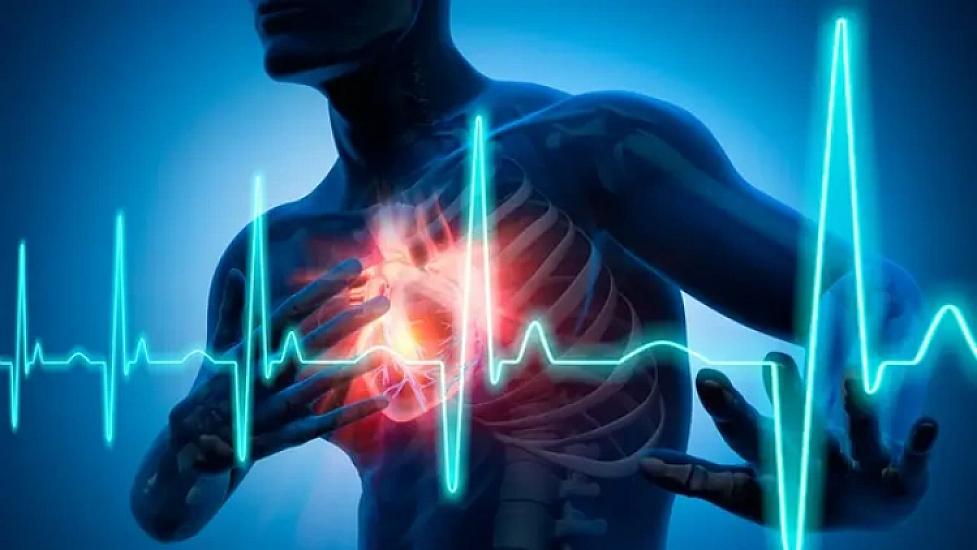
The sudden death of young actress Ece İrtem at the age of 35 has brought the issue of heart attacks (myocardial infarctions) and sudden cardiac death cases seen at a young age back to the agenda. Experts state that recently deaths related to heart disorders among young people are being discussed more frequently. They warn that the initial symptoms of a heart attack are often confused with flu, infection, or severe stress. So why is the risk of a heart attack increasing at a young age? Who is at risk, and how should young people protect themselves?
Cardiologist, associate professor Asım Enhoş answered these questions.
Although Associate Professor Asım Enhoş confirmed the increase in heart attack cases among the young in recent years, he emphasized that the exact cause of death can only be determined through an expert examination (autopsy). According to the doctor, there are different health issues that can mimic a heart attack or lead to sudden cardiac death:
Pulmonary embolism (vascular blockage);
Heart muscle diseases such as myocarditis and pericarditis that can develop after the flu;
Congenital heart defects;
Fatal rhythm disorders;
Genetic diseases such as "Long QT" and "Brugada" syndrome.
What is sudden cardiac death?
Asım Enhoş characterized sudden cardiac death as follows:
"Sudden cardiac death refers to cases resulting in death within one hour after symptoms begin. However, the cause is not always a heart attack; fatal rhythm disorders or other heart diseases can also cause this."
The specialist noted that in some patients, signals such as palpitations, chest pain, or shortness of breath appear before the event.
What are the main causes of heart attacks in young people?
The doctor pointed out that the biggest risk factor in the development of heart attacks at a young age is harmful habits and listed the main causes as follows:
1. Cigarettes and tobacco products: "The number one reason is the increased use of tobacco products," said the doctor, emphasizing that the vast majority of young heart attack patients are smokers.
2. Unhealthy nutrition: Ready-packaged foods, trans fats, margarine, and fast-food consumption strike the health of blood vessels starting from childhood.
3. Obesity: Alongside bad nutrition, weight gain has become a serious risk factor.
4. Chronic stress and insomnia: A heavy work schedule, stressful lifestyle, and irregular sleep pattern negatively affect heart function.
Enhoş stated that living without stress is impossible in the modern world, but mastering stress management is essential.
Who is at higher risk?
Individuals with a family history of premature heart attack or sudden cardiac death should be especially cautious.
If men in the family experienced heart problems before the age of 55, or women before the age of 60-65, other family members are advised to undergo regular cardiology check-ups from the age of 40 onward.
What symptoms should we be alert for?
The most obvious symptom of a heart attack is chest pain. Especially pain that starts during physical exertion, increases with movement, decreases with rest, and is felt as pressure and tightness behind the breastbone, sometimes radiating to the jaw, should be considered a serious warning.
About half of the patients experience these symptoms several days before the heart attack.
However, in some cases, plaques in the heart vessels may suddenly rupture and completely block the vessel within seconds. Therefore, in young people, the process sometimes develops very rapidly without any initial symptoms.
Why is the risk of death higher in young people?
In older people, vessel narrowing develops over years, allowing the heart to partially adapt and form additional (collateral) vessels.
In young people, sudden vessel blockage catches the heart muscle unprepared, causing more severe damage and leading to fatal rhythm disorders.
Golden rules to protect yourself:
Avoid cigarettes and tobacco products entirely;
Eliminate trans fats and processed foods from the diet;
Switch to a Mediterranean-type diet rich in greens, vegetables, and olive oil;
Exercise regularly and maintain a healthy weight;
Manage stress and do not neglect preventive medical examinations.
Do COVID-19 and vaccines increase heart attack risk?
Addressing this frequently discussed topic post-pandemic, Associate Professor Asım Enhoş emphasized the importance of relying on scientific facts:
"The COVID-19 infection itself, especially in the early phases of the pandemic, directly caused heart muscle inflammation, clotting disorders, and vascular blockages. Scientific studies have shown that vaccines very rarely pose a risk of heart muscle inflammation. However, international studies involving millions of people indicate that vaccinated individuals experience severe conditions such as heart attacks, strokes, and vascular blockages less frequently compared to unvaccinated people. Therefore, this topic should be approached on a scientific basis."
Doctors note that heart attacks at a young age have already become a serious public health problem and remind that being attentive to the body's signals can save lives./BAKU.WS