

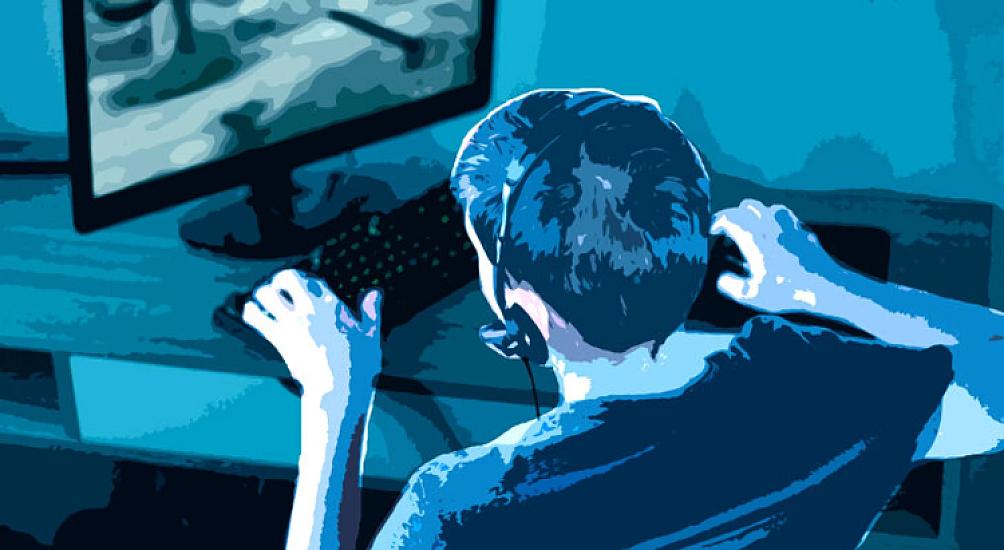

Modern computer games are no longer just a means of entertainment, but are also based on complex psychological mechanisms designed to keep the user's attention for a long time. In systems especially intended for young players, constant rewards, achievements, level progression, and elements of social validation come to the forefront. These games, which affect the psychology of young people, gradually turn into addiction over time.

It is interesting, after which stage do virtual games turn from simple entertainment into psychological addiction? What are the initial warning signs of game addiction? Why does spending money on games strengthen psychological attachment even more? How do such mechanisms affect children's patience, attention, and emotional regulation skills? How can parents recognize these effects of games on time? Which psychological methods are more effective to set healthy limits on game time?

Speaking to Medianews.az on the topic, psychologist Şirin Məmmədli, a member of the American Psychological Association, stated that modern computer games are indeed not just a way to pass time, but are built to keep the person’s attention for a long time and to bind him/her to the game. According to the psychologist, for this reason, game addiction gradually forms and most of the time without being noticed: “The initial signs of game addiction usually manifest with behavioral and emotional changes. A child or adolescent becomes impatient to enter the game, does not want to leave the game, reacts aggressively or irritably when a time limit is set. Daily routine is disrupted, sleep is delayed, and school or work responsibilities take a back seat. The most problematic is that they move away from activities they previously showed interest in in real life.
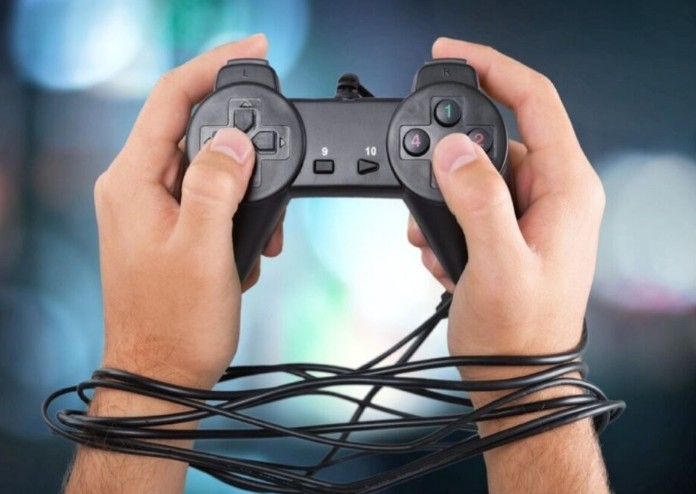
Parents and teachers can mainly understand addiction from behavioral changes. Reduction of social contacts, avoidance of communication with family, continuous fatigue, lack of concentration, decline in school performance, and emotional fluctuations are risk signals. If the child starts to hide the game, lies about the time spent playing, this can already indicate the deepening of the problem.”

Ş. Məmmədli emphasizes that the main approach to overcoming virtual game addiction is not prohibition but balance: “When the game is completely banned, this can create a counterreaction and an even stronger desire. What is important is to regulate screen time gradually and to create alternative interests. Sports, social activities, quality time with family, and the child experiencing a sense of ‘success and acceptance’ in real life are very important. At the same time, the parent must set an example themselves; limits on phone and screen use should be taught to the child not by words but through exemplary behavior.
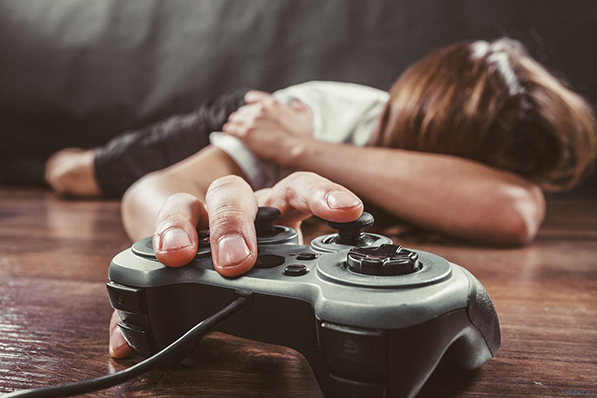
If gaming seriously disrupts daily life, emotional problems or aggression are observed, psychological support is essential. Sometimes game addiction is not just a problem but manifests as a compensation for internal emptiness, stress, or emotional need. When these needs are properly met, the game can return to its place, that is, to the level of entertainment.”
Nailə Qasımova,
Medianews.az