
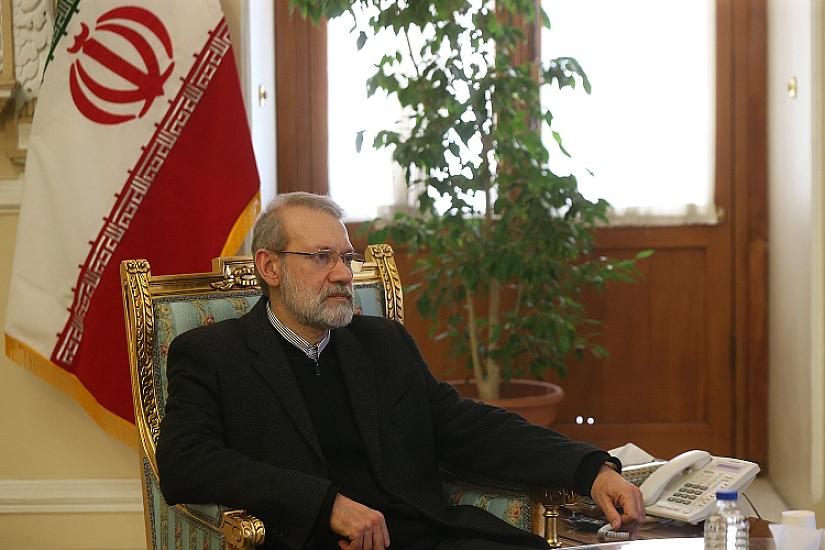

According to Western media, the Supreme Leader of the Islamic Republic of Iran, Ali Khamenei, has transferred the main levers of control to Ali Larijani amid the potential US military attack and ongoing protests within the country.
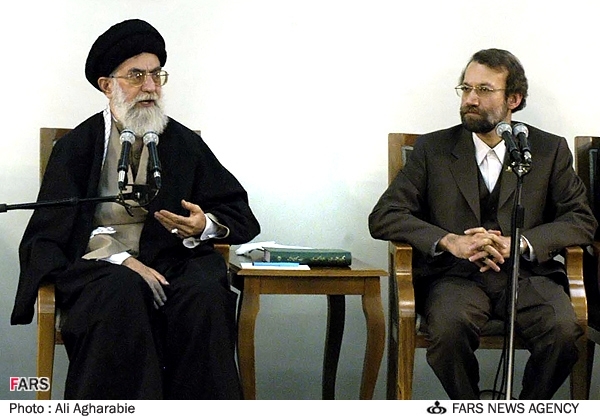
The New York Times writes that Larijani effectively coordinates strategic decisions—from suppressing protests to preparing for a possible war with the US. It is also emphasized that the increase in his powers has led to the weakening of President Masoud Pezeshkian's positions. It is even claimed that Pezeshkian is forced to coordinate many of his decisions with Larijani.
Who is Ali Larijani? Medianews.az has reviewed his biography.
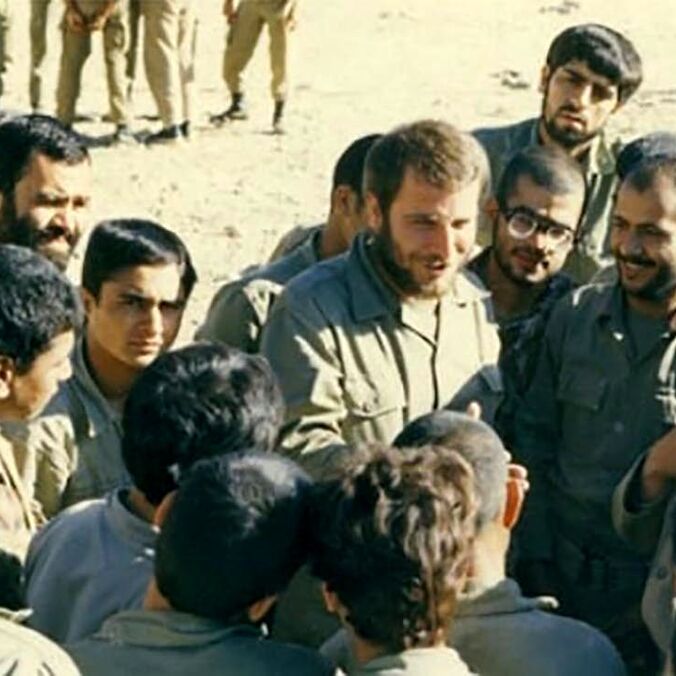
Ali Ardeshir Amoli Larijani was born in 1958 in the city of Najaf, Iraq.
Since Shah Mohammad Reza Pahlavi had exiled Ali’s father, Ayatollah Mirza Hashem Amoli, he was forced to settle in Najaf. Ali Larijani and all of his brothers were born in Najaf.
Mirza Hashem Amoli, born in 1899 in the Larijan region of Iran, died in 1993 and was buried in the Fatimiyya cemetery in Qom.
Mirza Hashem Amoli and his family returned to Iran in 1979, after the Shah was overthrown.
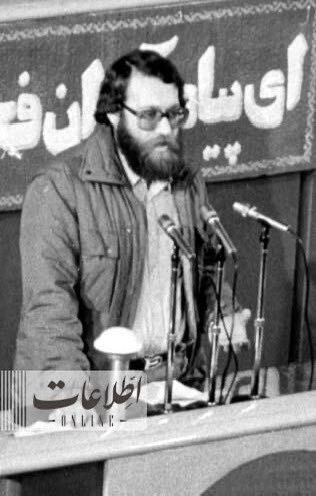
Upon returning to Iran, Ali Larijani was appointed branch manager at the State Television and Radio Company.
In 1980, Ali Larijani graduated from Sharif University of Technology in Tehran with a degree in mathematics and computer science. Later, he earned a PhD in philosophy from the University of Tehran and wrote a book about the German philosopher Immanuel Kant.
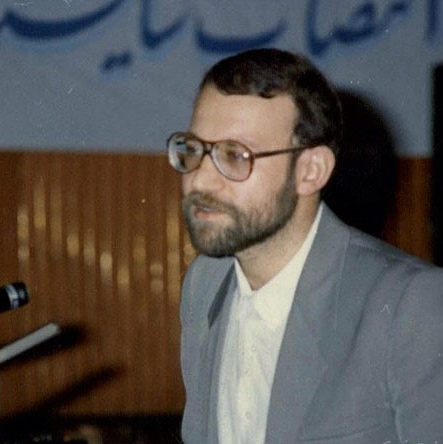
Larijani held various government posts from 1983 to 1992: he worked as the Minister of Labor and Social Resources, Minister of Telecommunications, deputy commander of the Islamic Revolutionary Guard Corps (IRGC) (SEPAH), and acting chief of staff of SEPAH.
From 1992 to 1993, Ali Larijani served as Minister of Culture and Islamic Guidance.
From 1994 to 2004, he headed the Iran State Television and Radio Company.
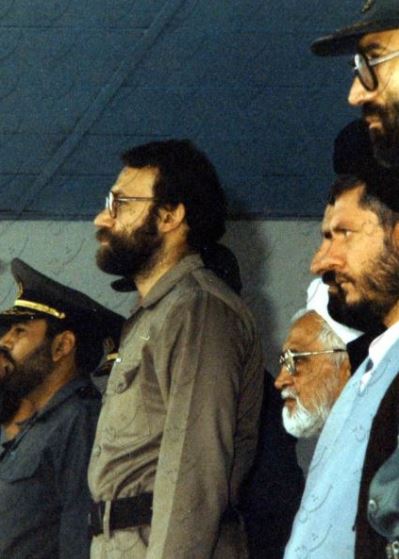
In 2005, he ran for president and placed sixth with 5.94% of the votes. Mahmoud Ahmadinejad won that election.
From 2005 to 2007, Larijani served as Secretary of the Supreme National Security Council of Iran. Shortly before assuming this role, he was the representative of the Supreme Leader in the council.
Larijani chaired the Iranian parliament from 2008 to 2020. He was consecutively elected to this post three times.
He wanted to participate in the 2024 presidential election but the Guardian Council did not register his candidacy.
Masoud Pezeshkian, who won that election and took office as president, appointed Ali Larijani as Secretary of the Supreme National Security Council in August 2025.
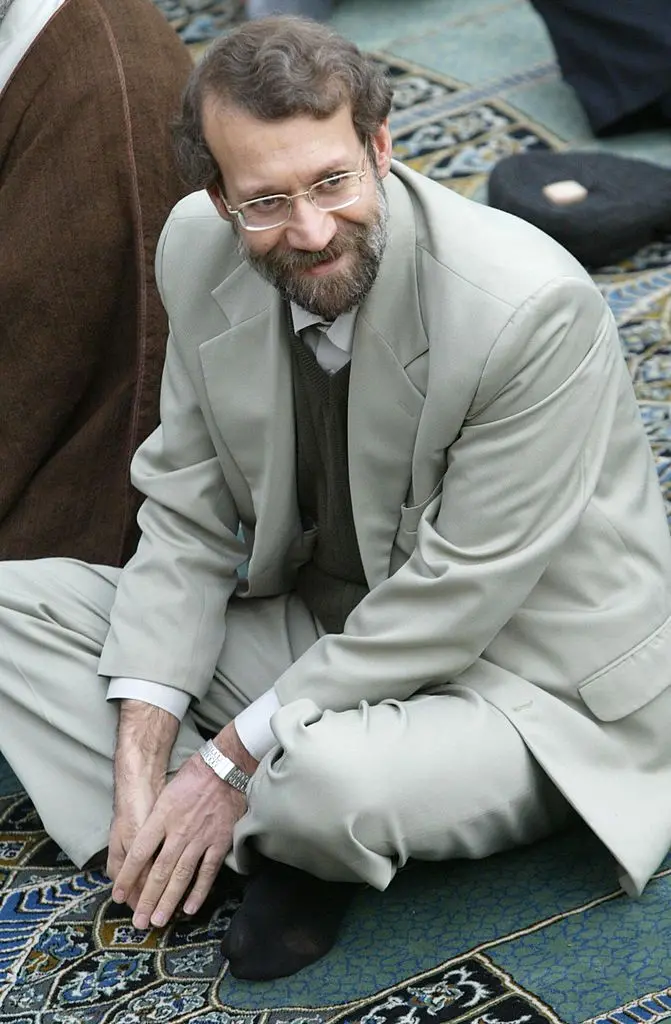
Many of Ali Larijani's relatives are well-known political figures. For this reason, they are sometimes called the "Iraq group" in the political arena and characterized as "Iran’s Kennedy family."
One of his brothers, Ayatollah Sadegh Larijani, is the head of the Assembly for the Determination of the Expediency of the System.
Another brother, Ayatollah Mohammad Javad Larijani, is the Supreme Leader's chief advisor on foreign policy issues and secretary of the High Council for Human Rights of Iran’s Judiciary.
Brother Baqer Larijani held a high position in the Ministry of Health, and Professor Fazel Larijani is both a scholar and a diplomat.
Ali Larijani's cousin Ahmad Tavakkoli was a member of parliament.
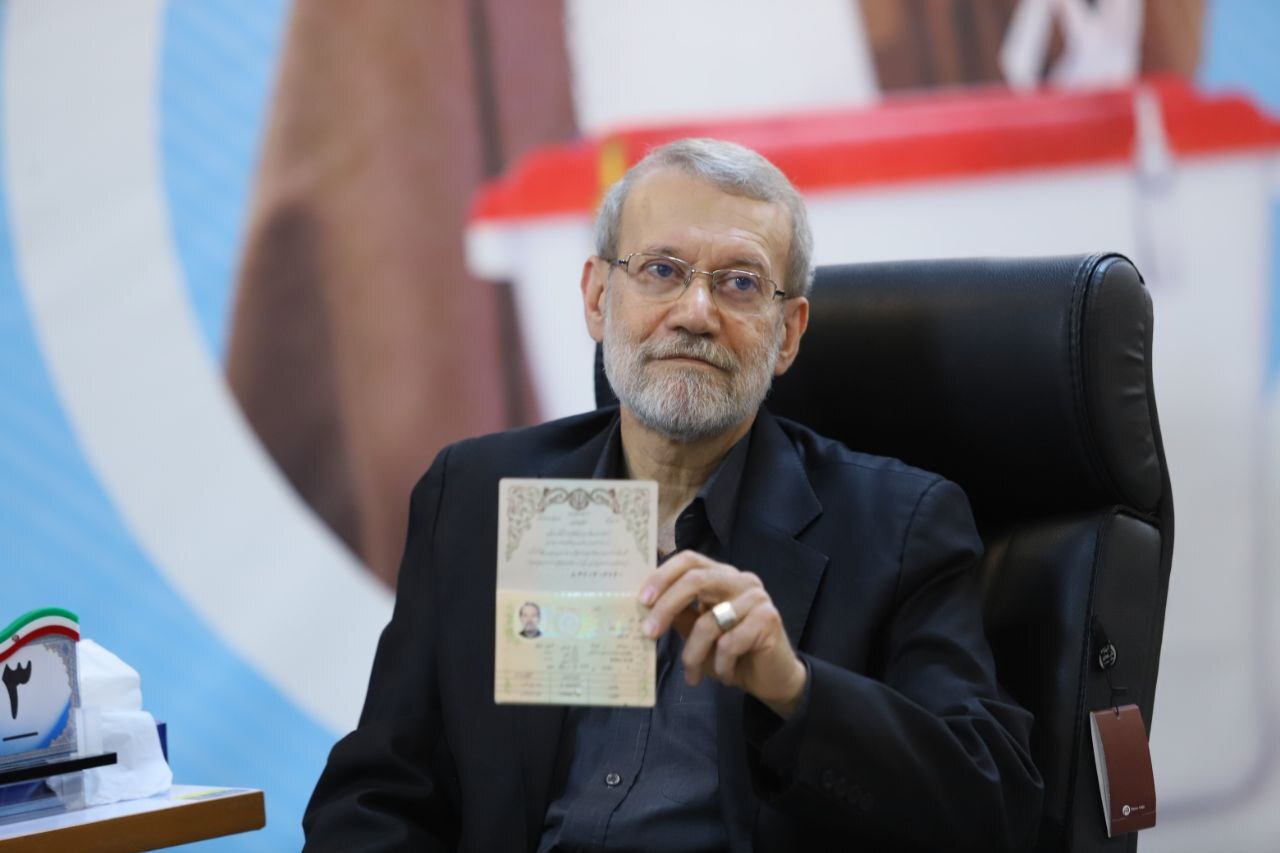
Ali Larijani is the son-in-law of Ayatollah Morteza Motahhari, one of the recognized ideologists of the Iranian Islamic Revolution (who died shortly after the revolution in 1979). Ali has two sons and two daughters from his marriage to Farideh, Motahhari's daughter.
Motahhari's son, Ali Motahhari, is also a politician and has been a member of parliament.
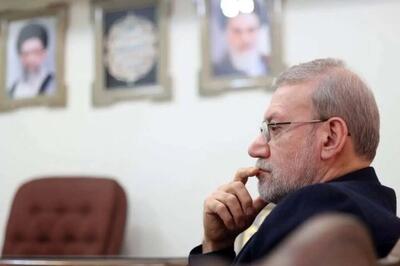
In the Islamic Republic of Iran, the head of state authorities is exercised by the Supreme Leader elected by the Assembly of Experts. Since June 3, 1989, this post has been held by Ali Khamenei, born in 1939.
The Iranian president, who carries out the functions of head of government, is elected by popular vote for a term of four years. Since July 28, 2024, Masoud Pezeshkian, born in 1954, has been president.
The country’s 290-member parliament (Islamic Consultative Assembly) is elected every four years through a majoritarian system (by constituencies). The current parliament was formed in the spring of 2024.
Toğrul Ali,
Medianews.az