
Since February 2022, Russia has been conducting a total war in Ukraine. In Russia, this war is officially called a "special military operation," and it is forbidden to refer to the war as a "war," which also results in arrests.
In June 2025, Israel fought a 12-day war with Iran. Israel officially named this war the "Roaring Lion" operation and evaluated it at the state level not as a war, but as a military operation.
On February 28, 2026, the United States and Israel started the next war against Iran. However, both the US and Israel call the war a military operation. The US calls it the "Epic Wrath," Israel the "Lion's Roar" operation.
Why do the authorities that start wars hesitate to call it a war? Does this serve the purpose of bypassing the necessary legal procedures in their own countries to decide on war (such as bringing the issue to parliament for discussion, etc.), or to avoid stirring up agitation in society, or is the main reason to evade the responsibility defined under international law for war, including investigations into war crimes, no matter how weakened or seemingly extinct these may be?
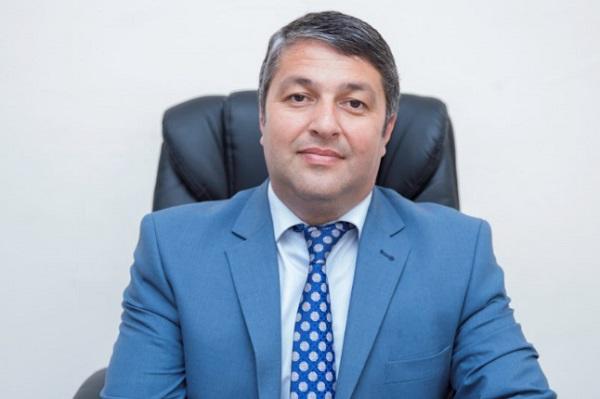
In a statement to Medianews.az on the topic, legal expert Alovsat Allahverdiyev said that it is a common trend in modern international politics for states to present armed conflicts under names such as "special military operation," "military operation," or other terms. He explained that behind this there are several important reasons of legal, political, and informational character: "First and foremost, this issue concerns the internal legal mechanisms of states. In many countries, declaring war requires special constitutional procedures. Usually, this decision must be discussed in parliament, with the approval of the legislative body and, in some cases, the application of special legal regimes. Authorities, by using the term operation, either simplify these procedures or completely bypass them. This allows the executive power to make decisions more swiftly and to begin military activities more quickly."
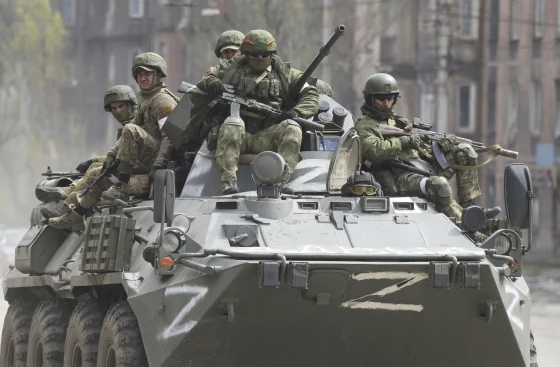
Another significant reason relates to public opinion and political psychology. The word "war" carries a very heavy and emotional meaning for society. This word evokes associations with economic difficulties, mobilization, human losses, and long-term uncertainty. Authorities, by using expressions such as "military operation" or "special operation," try to present the situation as a more limited and controlled process. This helps prevent panic and intense protests in society, and at the same time facilitates easier management of the information agenda."
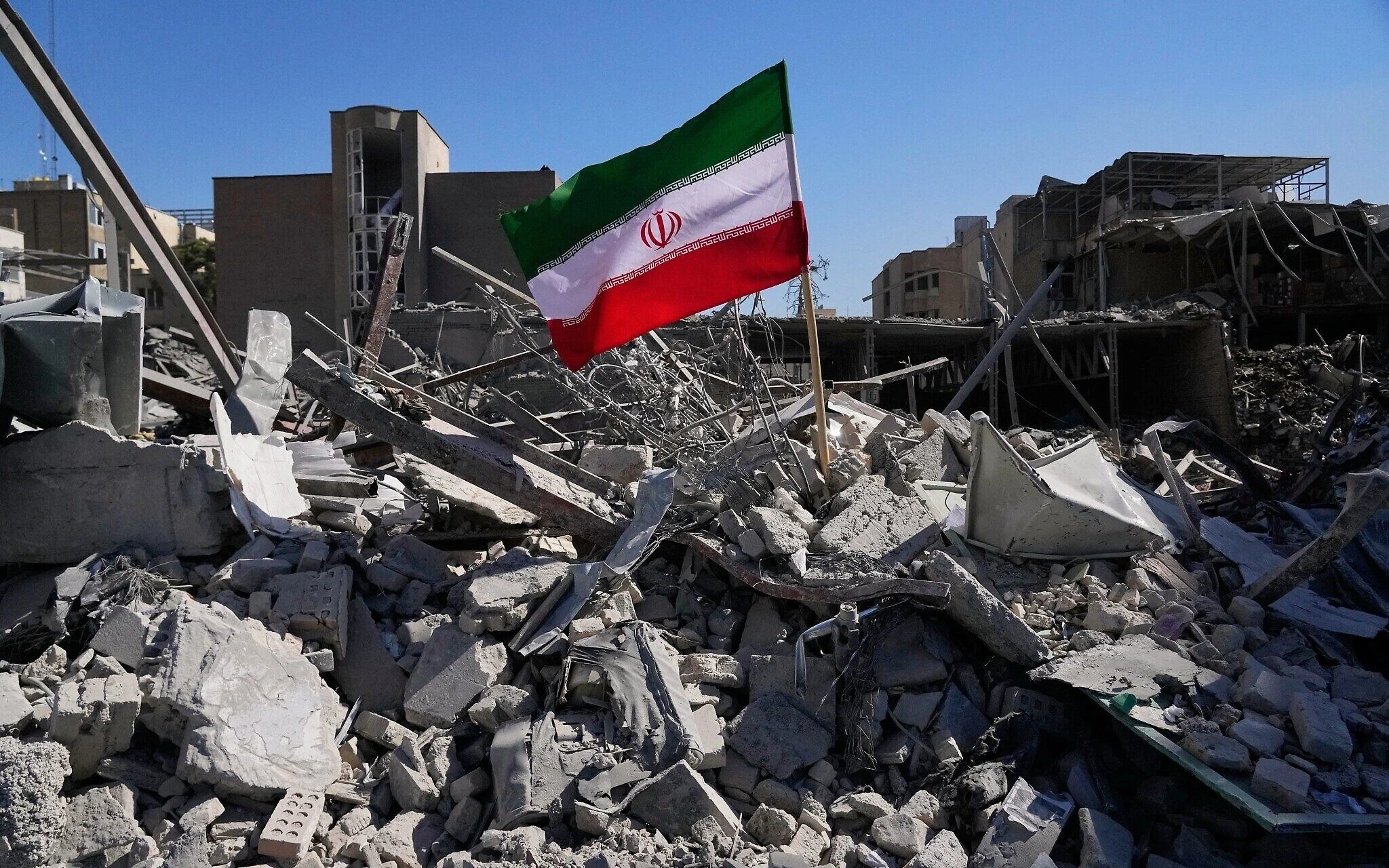
Alovsat Allahverdiyev noted that terminology is also important from the perspective of international law and diplomacy: "Declaring war places relations between states into a stricter legal framework and can cause a series of international mechanisms to activate. For example, the war status may result in the application of certain conventions, investigations of war crimes, and a more active response by international organizations. Therefore, some states are hesitant to officially recognize an armed conflict as a war and prefer to present it as an 'operation.'"
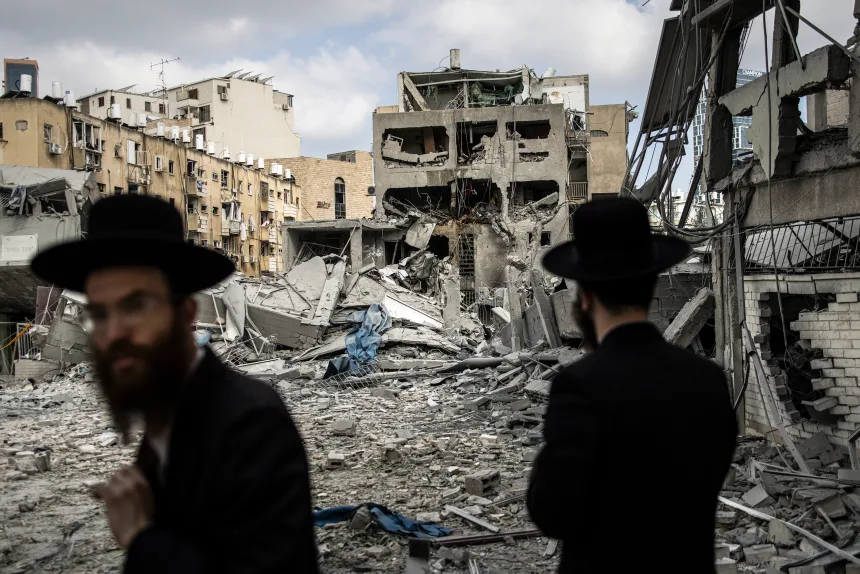
On the other hand, these terms also serve the formation of informational and political narratives. States try, through such terminology, to portray their military activities as defensive, limited, and purposeful steps. The term operation creates the effect of a military activity directed at concrete targets, short-term and controlled, whereas the concept of war implies a broader and long-term confrontation.
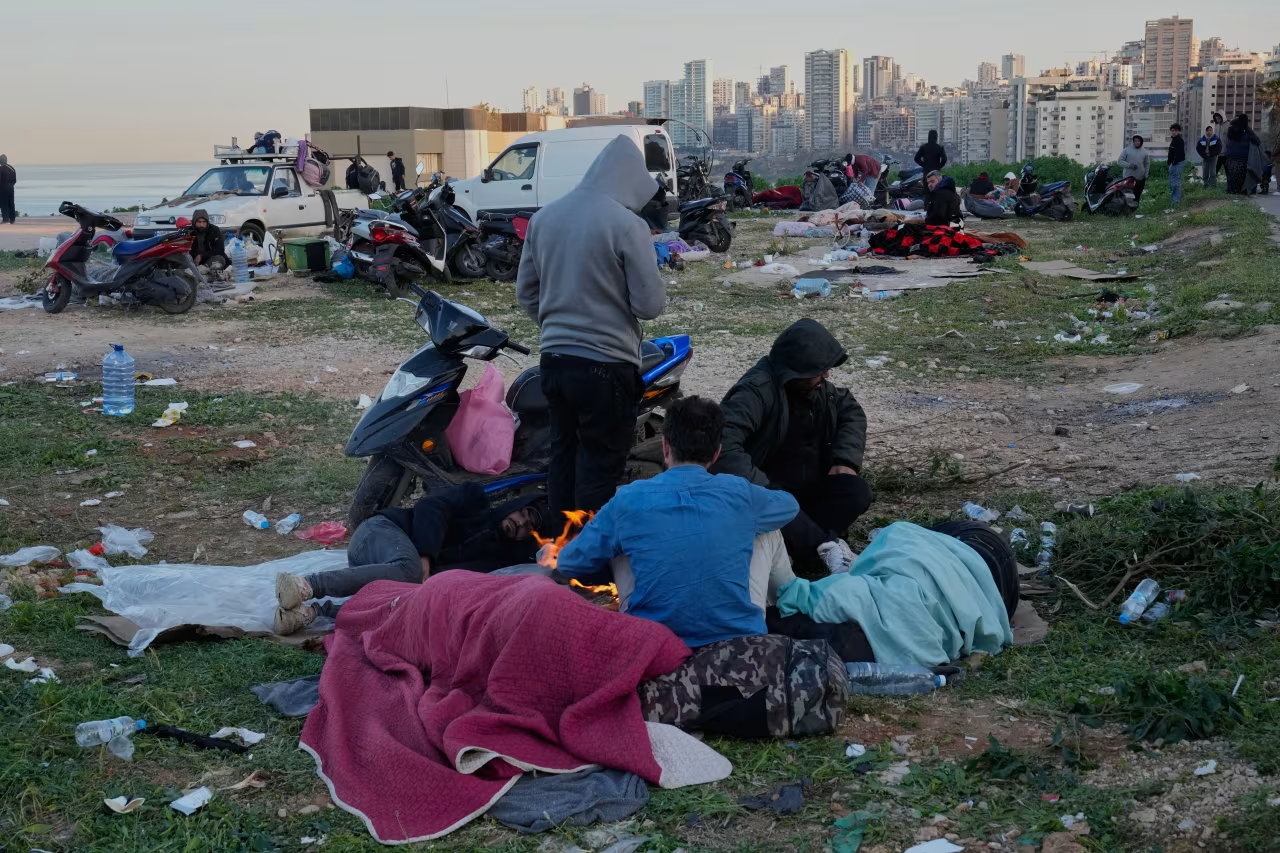
Thus, the presentation of wars as "military operations" in modern international politics can be explained by the joint influence of several factors: evading or simplifying internal legal procedures, managing public reactions and the information environment, and minimizing international legal and diplomatic consequences. For this reason, terminology is not just a matter of word choice, but also an important element of political strategy."
Naile Kasimova,
Medianews.az