


In recent years, with the popularization of low-calorie diets, many people have started to consider fats harmful. However, properly chosen fats are vital for the body, and their removal from the diet can lead to serious health problems.
Medianews.az, citing Foodinfo.az, reports that specialists state fats should constitute approximately 20–35 percent of daily calories. It is noted that especially beneficial are mono- and polyunsaturated fatty acids, which are important for the heart, brain, and nervous system, while trans fats should be avoided.
According to specialists, fat deficiency in the diet can manifest with a number of symptoms. One of the most widespread signs is a constant feeling of hunger. This is because fats digest more slowly and create long-lasting satiety. Their deficiency results in frequent hunger.
Another symptom is persistent fatigue. Fats provide long-lasting energy to the body, and their lack can cause weakness during the day. Additionally, cracking and pain in the joints may also be related to fat deficiency, as some fatty acids help reduce inflammation.
Fat deficiency also affects the immune system. In this case, the body cannot fully absorb fat-soluble vitamins, and as a result, the frequency of illnesses may increase. Attention and memory problems may also arise because fats play a significant role in brain function.
Skin and hair health are also affected by this condition. Dry, scaly skin, as well as hair loss and weakening, are considered main signs of fat deficiency. Besides, hormonal imbalance, especially irregular menstrual cycles in women, can be an indicator of this problem.
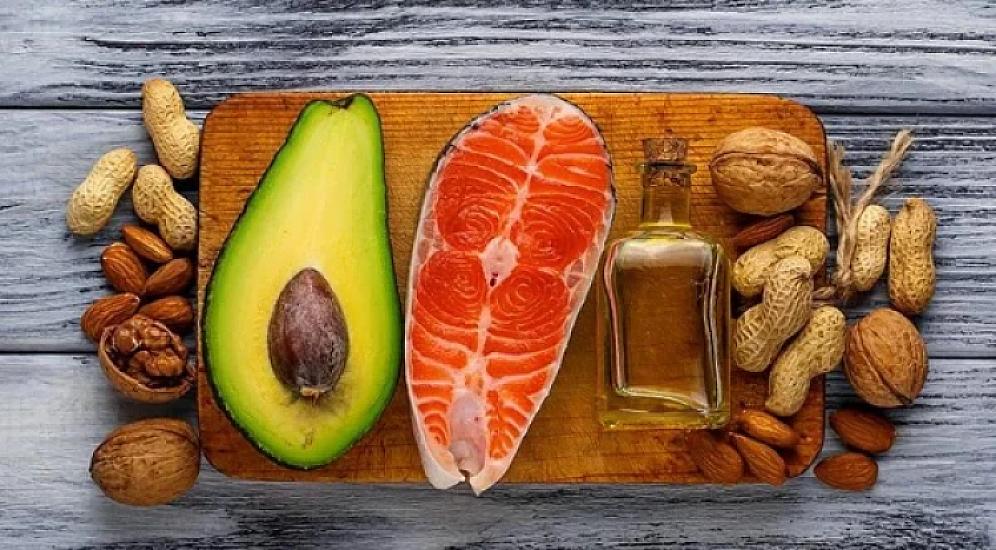
Specialists recommend properly including healthy fats in the diet. Consuming fatty fish 1-2 times a week, using vegetable oils, adding nuts and seeds to daily nutrition, as well as including avocado in the menu, helps maintain health.