
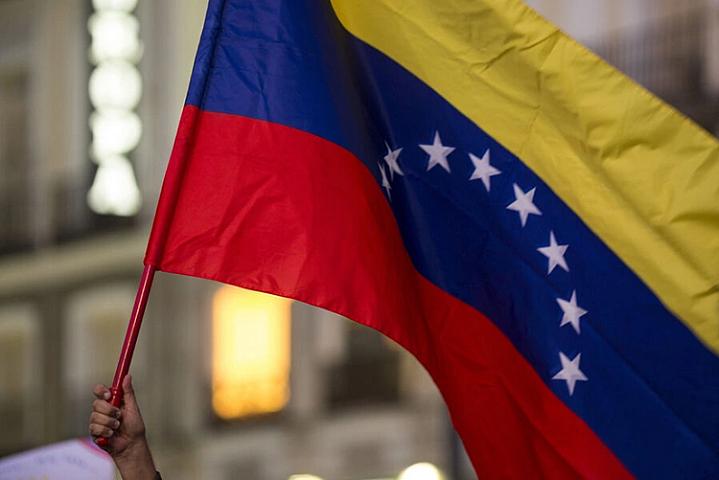
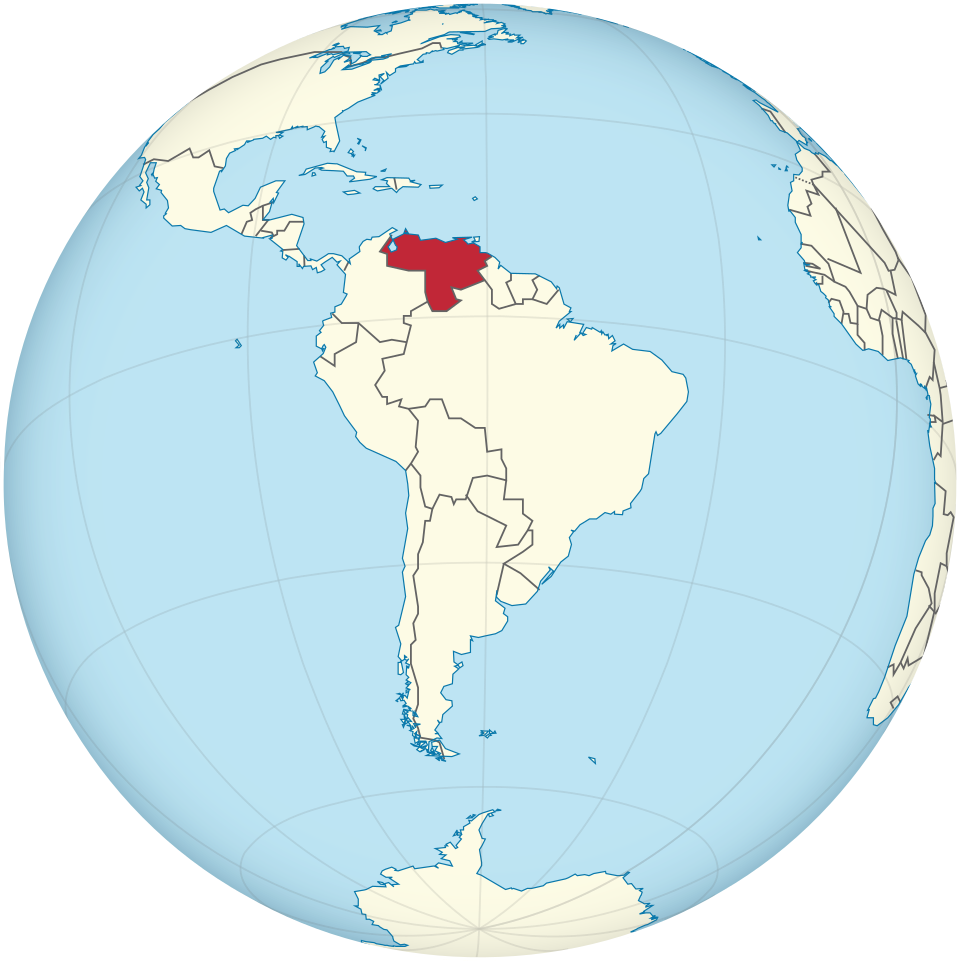
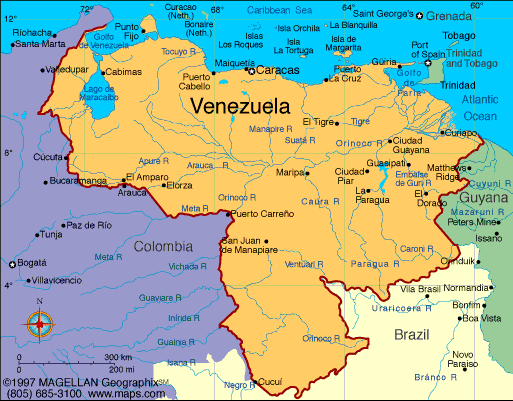
Located in northern South America, on the coast of the Caribbean Sea, Venezuela is one of the countries distinguished by its rich natural resources, complex history, and a contradictory path of political development. In recent decades, Venezuela's name has appeared more in the international agenda in the context of a deep economic crisis, political confrontation, and sharp relations with the USA.
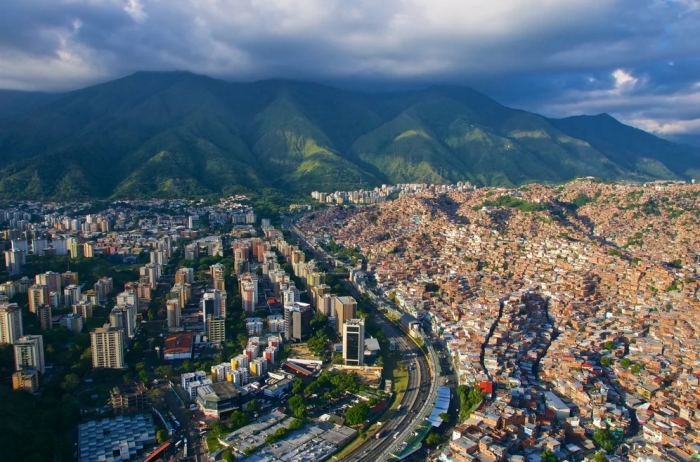
Historical development and formation of the state
Medianews.az reports that before the Spanish occupation, various indigenous peoples—Caribs, Arawaks, and other tribes—lived in the territory of Venezuela. After Christopher Columbus arrived in the region in 1498, Venezuela became a colony of the Spanish Empire.
At the beginning of the 19th century, when independence movements were strengthening in Latin America, Venezuela was one of the main centers of the liberation struggle. Under the leadership of national hero Simon Bolivar, the country declared its independence in 1811. However, this state was not stable.
In 1821, Venezuela was incorporated into the Great Colombia Federation along with Colombia, Ecuador, and Panama. After the collapse of the federation, Venezuela formed as a separate independent state in 1830. This date is considered the beginning of modern Venezuelan statehood.
Political structure and governance
Venezuela is a presidential republic. The president is both the head of state and government and possesses broad executive powers. The legislative authority is represented by the National Assembly, and the judiciary by the Supreme Court.
In recent years, the balance of power among branches has effectively been disrupted. The opposition and international organizations state that the judicial system and electoral institutions have become dependent on the executive branch.
The oil factor and the "Bolivarian line"
At the beginning of the 20th century, the discovery of large oil fields turned the country into a significant player in the global energy market. Oil revenues formed the basis of the state budget for a long time.
In 1999, Hugo Chávez, who came to power, announced the course of the "Bolivarian revolution" aimed at reducing political and economic dependence on the USA. State control was strengthened, strategic sectors were nationalized, and anti-imperialist rhetoric became the main line of political discourse.
Venezuela–USA confrontations
Relations between Venezuela and the USA became strained especially after Hugo Chávez came to power. Chávez accused Washington of interfering in Latin America and promoting regime changes. The USA stated that there were significant problems with democracy, human rights, and free elections in Venezuela.
The 2002 short-lived military coup attempt against Chávez was linked by the Venezuelan leadership to the USA. Although Washington rejected these accusations, the incident deepened mutual mistrust.
After Chávez's death, during the rule of Nicolas Maduro, confrontation entered a new phase. The USA did not recognize Maduro's legitimacy, accepted opposition leader Juan Guaidó as the "interim president," and imposed strict economic and financial sanctions against Venezuela.
Official Caracas called these sanctions an "economic war" and presented them as one of the main causes of the humanitarian crisis in the country. The USA said the sanctions were a tool to pressure the Venezuelan government.
Population and demographic situation
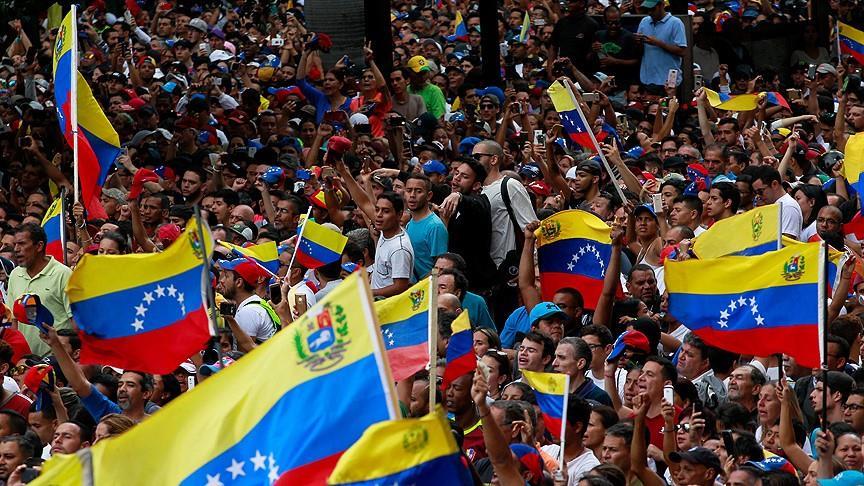
The population of Venezuela is approximately 28-29 million people. Due to the economic crisis, millions of people have left the country. This migration wave has created a serious social burden on regional countries.
The majority of the population consists of mestizos, followed by people of European descent, African-descended communities, and indigenous peoples. The country has a high level of urbanization.
Language and religion
The official language of Venezuela is Spanish. Additionally, there are more than 30 indigenous languages spoken.
The majority of the population are Roman Catholic Christians. In recent years, Protestant communities have rapidly expanded. Indigenous and African-origin beliefs also form an important part of the religious landscape.
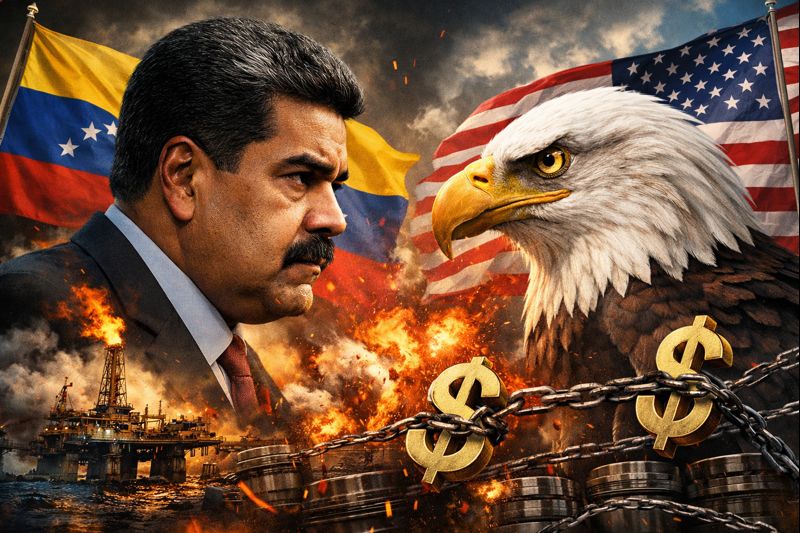
Medianews.az presents the chronology of Venezuela–USA confrontations over the last 25 years:
1999–2002: Initial tensions during Chávez's era
- 1999 – Hugo Chávez comes to power, announces the course of the "Bolivarian revolution." Relations with the USA deteriorate; Chávez accuses Washington of attempting intervention in Latin America.
- February 2002 – A short-lived military coup attempt occurs. Chávez is removed from power for several days. Official Caracas accuses the USA of involvement in the coup; Washington denies these accusations.
2003–2012: Tensions in energy and diplomacy
- The USA increases pressure on Venezuelan oil companies and oil exports.
- Chávez's government pursues an "anti-imperialist" foreign policy, forming regional coalitions against the USA's sphere of influence in Latin America.
2013–2018: Sanctions and escalation of confrontation during Maduro's era
- 2013 – Nicolas Maduro becomes president after Chávez's death. The USA and Europe report that the election process in Venezuela is non-transparent.
- 2014–2017 – The USA imposes direct sanctions on high-ranking Venezuelan officials, including visa restrictions and asset freezes.
- 2017 – The USA labels Maduro's regime "anti-democratic"; several Latin American countries support this position.
2018–2019: Recognition of the opposition and tough sanctions
- 2018 – Maduro wins the presidential election for the second time; the USA and Europe do not recognize the results.
- January 2019 – The USA officially rejects Maduro's legitimacy and recognizes Juan Guaidó as "interim president."
- 2019–2020 – The USA imposes harsh economic sanctions on Venezuela:
- Blocking oil exports,
- Restrictions on state companies and financial transactions,
- Freezing of foreign assets.
- During the same period, Venezuela accuses the USA of waging an "economic war."
2021–2025: Dialogue attempts and regional influence
- Limited diplomatic channels open between the USA and Venezuela; some dialogues occur regarding the energy market and humanitarian aid.
- Russia and China support Venezuela, creating an alternative to US pressure.
- Regional countries (Colombia, Brazil, Mexico) try to mediate in US-Venezuela relations.
2025–present: Continuing consequences of the confrontation
- Sanctions, internal economic difficulties, and political instability have caused a humanitarian crisis in Venezuela: high inflation, shortages of food and medicine, and migration of millions of citizens.
- The USA-Venezuela confrontation remains significant for both Latin America and global politics.