
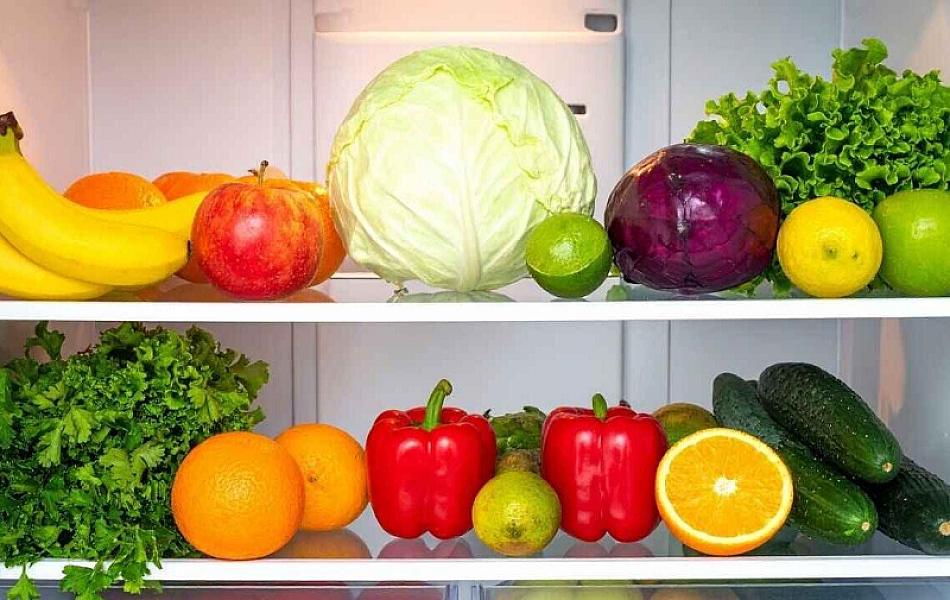
American scientists have revealed scientific ways to keep fruits and vegetables fresh. According to research, the product lifespan can be extended by weeks using methods such as low temperature, humidity control, ethylene gas removal, and vacuum storage.
Milli.Az reports that fruits and vegetables remain "alive" even after harvesting and produce ethylene gas during respiration. This gas accelerates the ripening of products and causes them to spoil quickly. Experts state that to slow down this process, products should be stored in a cold, humidity-regulated, and air-permeable environment.
Studies conducted in the USA have shown that temperatures between 1-5 °C slow down the cell metabolism of vegetables and fruits and extend their spoilage time.
Storing at low temperature: Keeping products in the refrigerator between 1-5 °C prevents both vitamin loss and microbial growth.
Regulating humidity: Proper use of the vegetable drawer in the refrigerator can double the shelf life of products. For example, leafy vegetables should be stored at high humidity, while fruits like apples and pears should be kept at low humidity.
Separating ethylene-producing products: Fruits like apples, bananas, and pears emit ethylene gas and should be stored separately from vegetables like tomatoes, cucumbers, and broccoli, which are affected by this gas.
Vacuum storage: Reducing air contact with the product slows oxidation. Vacuum packs used at home keep the freshness of products like beans, lettuce, and carrots for weeks.
Holding vegetables in hot water for 1-2 minutes and then immediately cooling them reduces enzyme activity and preserves nutritional value before freezing.
Applying a thin layer of lemon juice, vinegar, or olive oil slows bacterial growth on the fruit surface and reduces moisture loss.
Short-term low-intensity UV-C light can reduce bacteria on products like strawberries, cucumbers, and apples, thereby extending their shelf life.
American scientists have also developed a new method called "isokoric freezing." In this method, products are frozen under high pressure in water, preserving cell tissue without forming ice crystals. In tests, frozen products retained their freshness even after thawing.
Additionally, modified atmosphere technology (controlling the oxygen-carbon dioxide ratio inside packaging) reduces the respiration rate of products, allowing freshly cut greens and fruit slices to remain fresh on the supermarket shelf for days.
Scientists emphasize that not all fruits and vegetables should be stored under the same conditions:
Tomatoes lose flavor in the refrigerator, but apples and carrots last longer in the cold.
Products like onions and potatoes should be stored in a dark, cool, and dry place.