
Graphene, which the scientific world has long described as the "building block of the future," has already begun to fundamentally change all the rules in the construction sector. This new generation technology, which is much lighter compared to traditional steel systems but doubles durability, increases buildings' resistance to earthquakes and minimizes environmental damage.
According to Milli.Az, the application of graphene obtained through the flawless arrangement of carbon atoms in construction fields has laid the foundation for a silent revolution in the engineering world.
Graphene concrete: Twice as strong, 4 times more water-resistant
Special graphene-formulated concretes developed by researchers at the University of Exeter in the United Kingdom, compared to standard concretes used in modern construction:
Can carry twice as much load.
Allows 4 times less water permeability.
Since less raw material is needed to achieve the same strength, it sharply reduces the carbon footprint in the construction process.
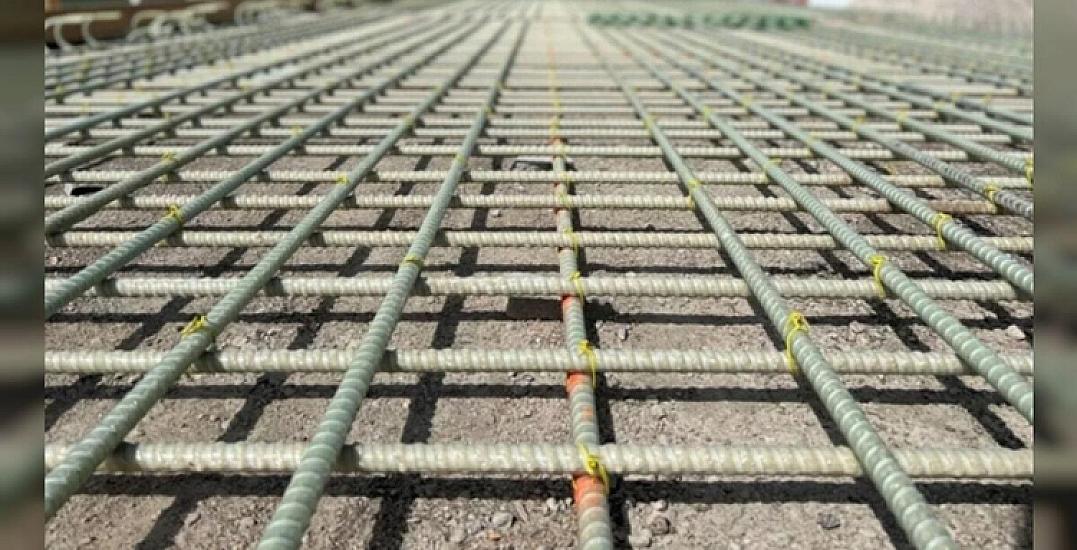
The new competitor to steel reinforcement: "GraphenBar"
The impact of graphene is not limited to concrete; steel reinforcements forming the frame of buildings are gradually being replaced by composite rods called "GraphenBar." The advantages of this new generation rods are as follows:
They are 70% lighter than classic construction steels. This lightness significantly reduces transportation and installation costs.
Due to the high resistance it shows against rust, it is indispensable for buildings by the sea, tunnels, and bridges.
Thanks to its elastic structure, it effectively absorbs the energy of underground shocks caused by earthquakes and minimizes the risk of cracks in buildings.
3D printers and "Concretene" technology
Innovative construction companies have taken the speed of construction to a completely different level by combining this miraculous material with giant industrial-type 3D printers.
Through graphene systems called "Concretene," construction blocks are printed layer by layer and with millimetric precision just like a paper printer. Thanks to this production model, construction completion times shorten, no additional steel is needed, and material waste at construction sites approaches zero.
Despite flawless results in laboratory environments and great potential, experts remind that this technology is still at the initial (crawling) stage.
As of 2026, although there is no commercial building constructed completely only with graphene technology and put on sale, pilot projects carried out in various countries of the world continue rapidly testing these innovative composite systems under real-world conditions.
.jpg)