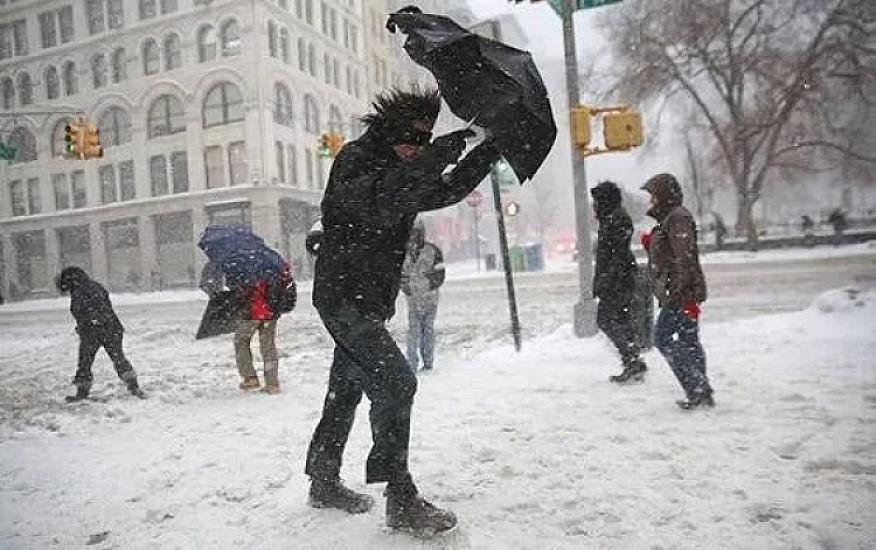

Weather forecasts in Azerbaijan are sometimes announced to the public with extreme alarm. This is especially evident in winter – on the eve of worsening weather. Alongside the official information from the hydrometeorology agency, emergency services and traffic police institutions issue warnings, and the media presents this with frightening headlines, as if the end of the world is coming.
How should weather forecasts be disseminated?
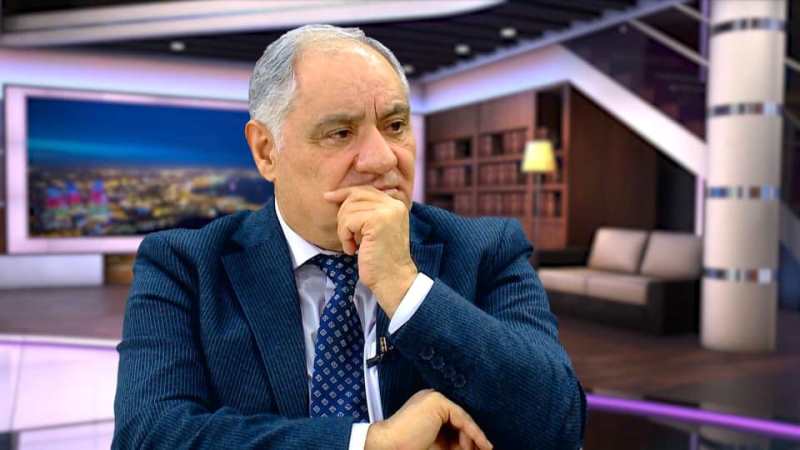
Medianews.az spoke to honored journalist, professor Qulu Məhərrəmli who says that there is no special presentation form for weather information: “We are talking about the traditional presentation. Daily and weekly weather forecasts are given, separate forecasts are presented for the weekends. These are normal. In the current communication environment, daily weather information is regularly updated.
Yes, if there is a possibility that the deterioration of weather conditions may cause health problems for meteorologically sensitive individuals, the hydrometeorology agency can convey this specially. Excessive exaggeration of warnings, however, is not the fault of the forecasters.”
Q. Məhərrəmli notes that sometimes the relevant authorities — the National Hydrometeorology Service, the Ministry of Emergency Situations, and internal affairs bodies — further specify the weather information, which is aimed at a good purpose — to warn the public: “Sometimes behavior instructions related to the weather conditions are also provided. There is nothing wrong with this. But exaggerating these kinds of presentations, and the media delivering them in an alarmist, fear-inducing, and panic-filled manner is not right. Therefore, the media, especially television, should approach the matter cautiously.
As a citizen, I normally accept the news that the weather will worsen, that snow will fall, that there will be a blizzard. But of course, I am against creating fear and panic among people. Such information should be presented calmly without causing anxiety.”
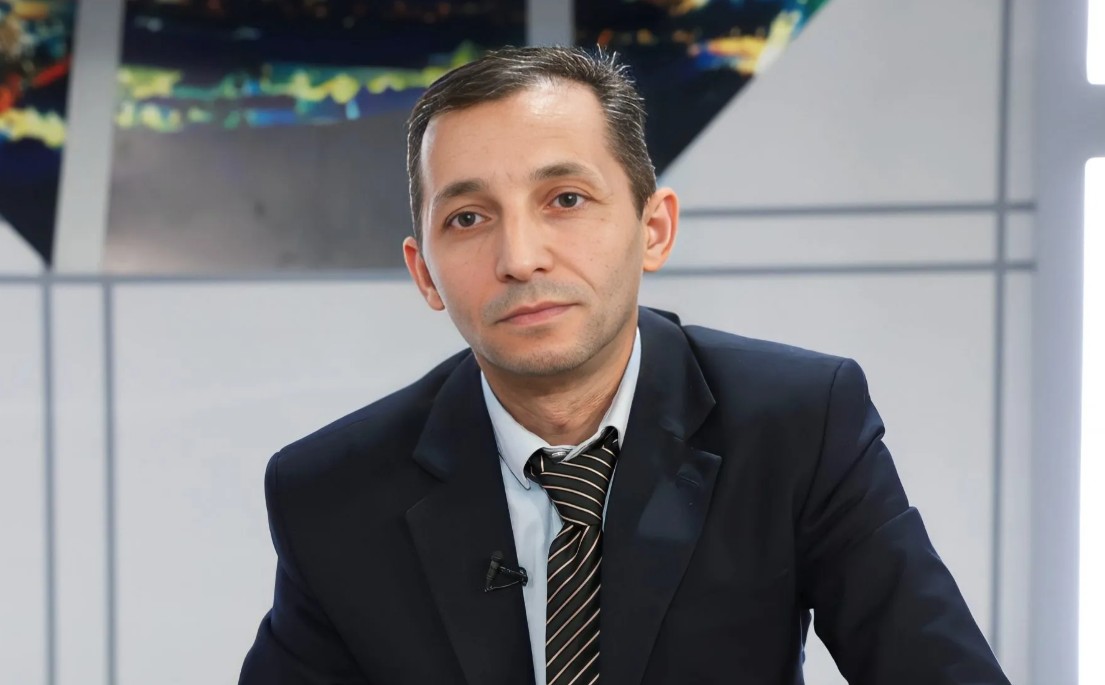
Sociologist Elçin Bayramlı Medianews.az says that the alarmist presentation of weather forecasts is the fault of the media directly: “The Hydrometeorological Forecast Bureau disseminates weather information in a normal tone. But sometimes the mass media presents it as if an unprecedented event will happen. To increase the number of readers, viewers, listeners, sometimes the media chooses a showy style. Actually, in this case, it would be more accurate to call it quasi-media. Because serious media do not do this. Online media platforms are more prone to such alarmism. This especially affects meteorologically sensitive people, as well as sick and elderly individuals negatively.”
According to the sociologist, presenting ordinary events as something frightening is psychological pressure on society: “This must end. Exaggerated news can also undermine trust in the agencies providing forecasts. This is not journalism; it is something else. Some kind of limitation should be imposed against scaring and deceiving people. It is not only about weather forecasts; it is possible to encounter distorted, exaggerated, and panic-filled formats of news related to other fields as well.”
E. Bayramlı believes that the media in Azerbaijan has practically lost its classic characteristics: “The media has mostly turned into a commercial, market, show center. This undermines confidence in journalism and creates the perception that mass media is a non-serious platform. Tomorrow, people will no longer believe even their truthful news. Those who cannot produce interesting news or quality articles resort to cheap shows, seriously damaging the media’s reputation. News should be presented to the public as it is, without exaggeration and without causing panic. Those who do this must be punished.”
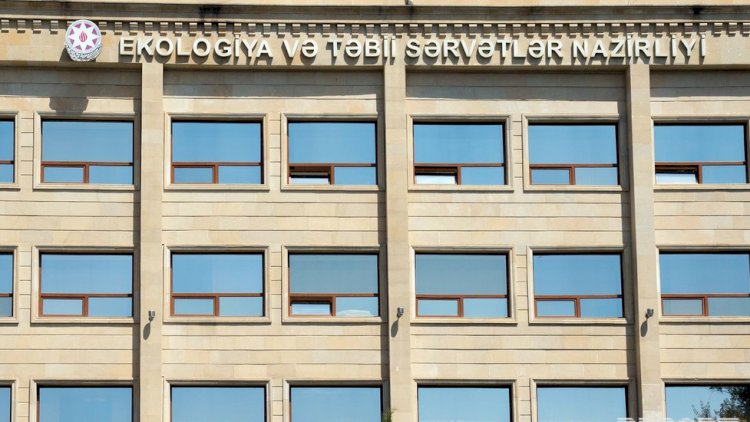
Medianews.az also contacted the Public Council under the Ministry of Ecology and Natural Resources and the Hydrometeorological Forecast Bureau of the ministry’s National Hydrometeorology Service.
Both bodies informed the site that weather information and warnings related to weather conditions are delivered to the public based on scientific research and comprehensive studies: “Sometimes the presentation of these data and warnings in mass media and social networks with frightening headlines would be more appropriately addressed by media specialists. The official body does not bear responsibility for the presentation of its data on external sources.”
Nailə Qasımova,
Medianews.az
Note: This article was prepared on the topic of “Protection of Public and State Interests” with financial support from the Media Development Agency of the Republic of Azerbaijan and in accordance with competition conditions.