

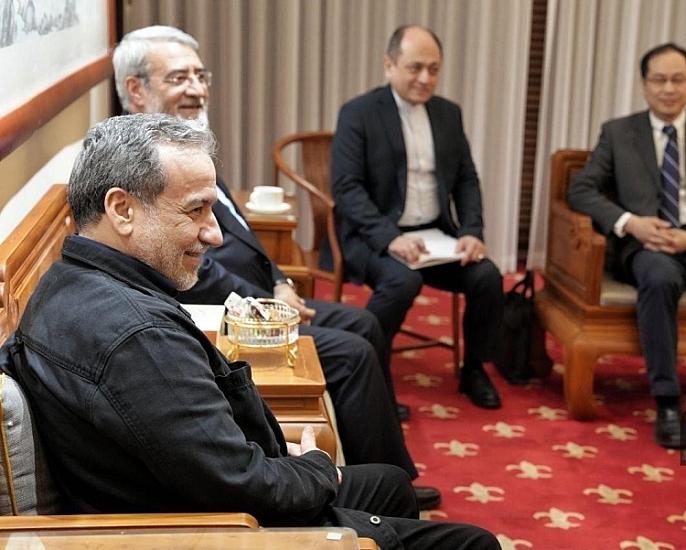

“Iran's Foreign Minister Abbas Araghchi's visit to Beijing after Moscow is related to the expectation of increased support for Tehran from his country's two partners.” Political scientist Elkhan Shahinoglu said this in his statement to Medianews.az.

He stated that the aggressive war against Ukraine is aimed at exhausting Russia's resources: “For this reason, Russia's ability to increase support for Iran is limited. In such a situation, Iran's expectations from its other partner, China, have increased.
Beijing is trying to prevent Iran’s defeat by the US. The statement by Chinese Foreign Minister Wang Yi, who met his counterpart in Beijing, that “China is a reliable strategic partner of Iran” is a message to Washington. Wang Yi said that Beijing is ready to further strengthen political trust with Tehran and expand mutually beneficial cooperation in various fields. Wang Yi emphasized the importance of continuing contacts between officials of the two countries.”
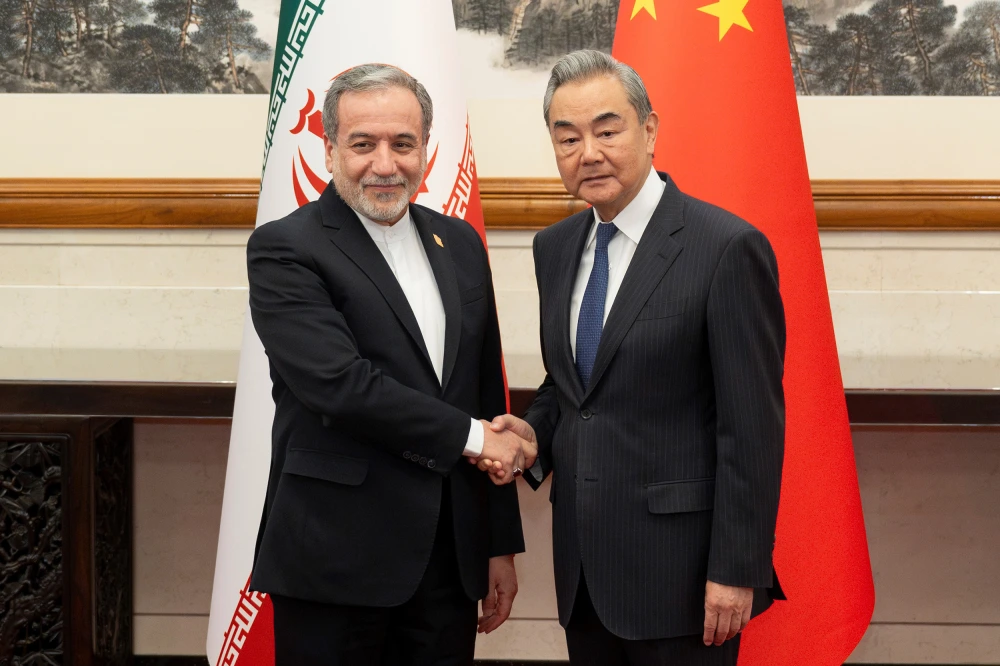
According to E. Shahinoglu, unlike Washington and Tel Aviv, Beijing does not believe that Iran is trying to acquire nuclear weapons: “Wang Yi’s words that ‘China highly values Iran's commitment to the nuclear weapons non-proliferation obligation and recognizes its right to use nuclear energy for peaceful purposes’ confirm this as well. It is no coincidence that China uses its veto power as a permanent member of the UN Security Council to prevent the adoption of resolutions against Iran in this international organization.
Despite Beijing's continued comprehensive support for Iran, it wants Tehran to prioritize resolving issues through negotiations with Washington. Of course, Beijing does not accept Washington's pressure on Tehran during this process. In all cases, the ongoing tension around the Strait of Hormuz is against China's interests. China is deprived of transporting the energy resources and mineral wealth of Iran and the Gulf countries. Before the tensions in the region, China obtained more than half of its oil demand via the Strait of Hormuz.
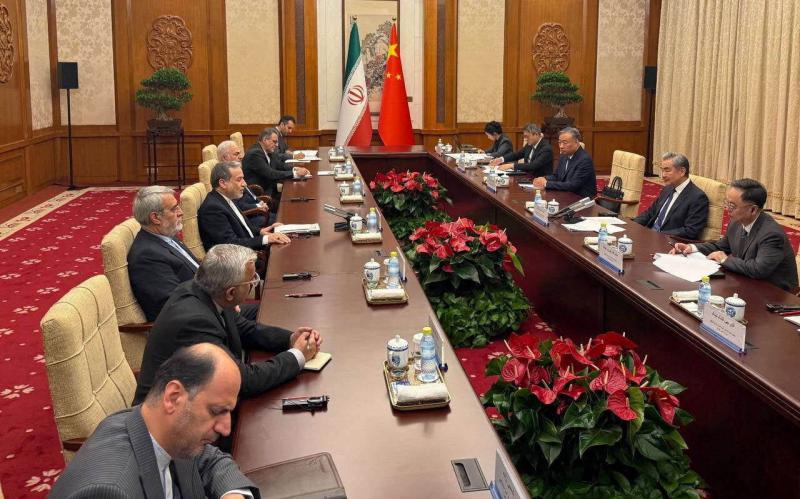
The current situation negatively affects China's economy. For this reason, Washington wants Beijing to influence the regime in Iran so that the Strait of Hormuz remains open to all countries' ships as it was before the war. Beijing's role in resolving this issue could positively affect US President Donald Trump's planned visit to China in a few days. However, although Beijing wants the Strait of Hormuz to be open, it firmly rejects the US policy of blockading the entrance of the strait. Therefore, Beijing will not exert unilateral pressure on Tehran at Washington’s request. Because the Chinese government believes that “the problem regarding the Strait of Hormuz can be solved through mutual concessions.” Tehran and Washington, on the other hand, are not yet ready for mutual concessions regarding the strait.”
Naila Gasimova,
Medianews.az