

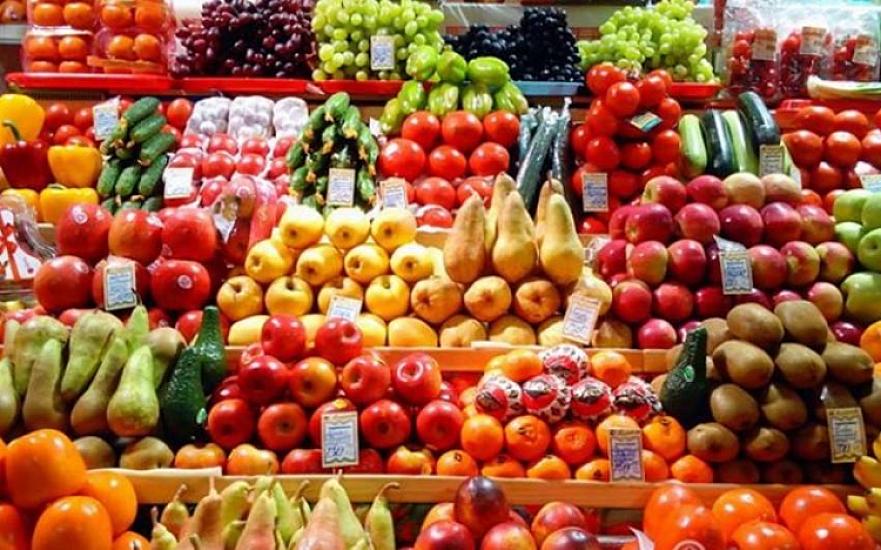

The probabilities that this year’s observed rainy and relatively cool weather conditions will affect agriculture, especially fruit and vegetable production, are on the agenda. Experts say that such climate changes may lead to decreased productivity and certain shortages in the market, which strengthens the risk of price increases. At the same time, the high prices of some fruits such as plum and cherry cause dissatisfaction among consumers, and this situation is mainly explained by seasonal factors, supply-demand balance, and production costs. So, how might these conditions affect market prices in the coming months?

Regarding the topic, economist-expert Allahverdi Aydın told Medianews.az that it would not be accurate to evaluate the impact of this year’s rainy and relatively cool weather on agriculture as strictly positive or negative.
“According to the data, it appears that rainfall was intense in March and April. This can mainly have a negative impact on fruits that bloom and ripen early in March and April. Because excessive rainfall not only damages the blossoms on the trees but in some cases creates excessive moisture in the soil. This harms the roots of the trees. At the same time, humidity causes the increase of some diseases. As a result, both the quantity and quality of the product decrease. The high prices of early-ripening fruits like plums may also be related to this. However, if the rains do not continue in May, that is, if they weaken, it can be assumed that in the coming months there will be benefits from the rains that fell in March and April. Because just as the rain harms some early-ripening crops, it is beneficial for relatively late-ripening crops, including agricultural products harvested in the autumn months.”
The expert noted that the rains in March and April increase the soil’s water reserves. Having sufficient moisture in the soil is very beneficial for flowering trees during the summer months.
“If there is no intense rainfall like that in March and April in the upcoming months, I believe that both in the summer and in autumn, instead of product shortages, there may be product abundance.
Let us also recall one point that Azerbaijan imports many agricultural products from abroad. Imported goods have a high share in the prices formed in the market. For this reason, the prices we will observe in the coming months will also depend on the import factor.”
Oğuz Ayvaz,
Medianews.az