

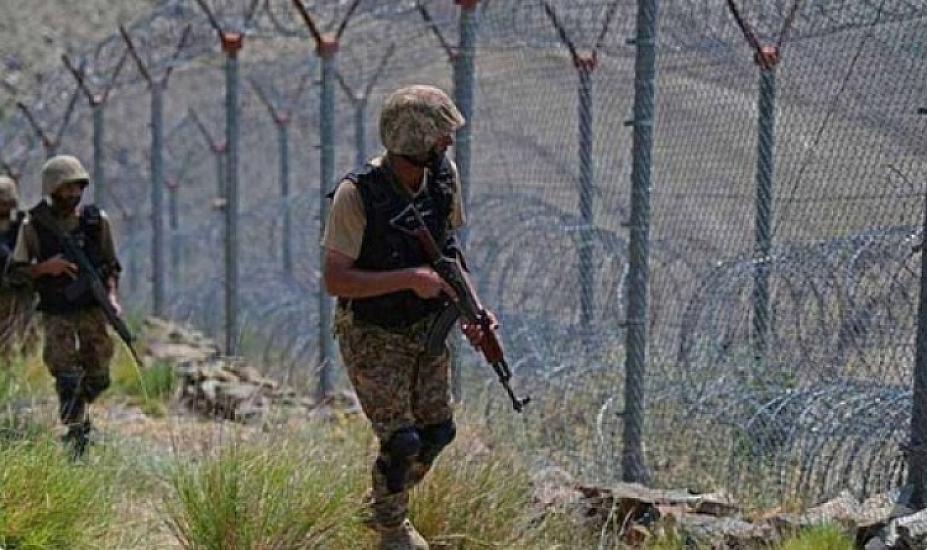

Rising tensions in the Middle East, including uncertainty surrounding Iran, have led to renewed clashes between the Islamic Republic of Pakistan and the Islamic Emirate of Afghanistan.
A few days ago, Pakistani military forces shelled Afghanistan's Kunar region with rocket fire. There are casualties and injuries. Significant damage has been inflicted on civilian infrastructure.
Due to ongoing clashes, since the end of February, more than 100,000 people have been displaced in eastern and southeastern Afghanistan. The Pakistani side claims that the headquarters of the Tehrik-i-Taliban Pakistan militants are located in that area.
Islamabad accuses the Taliban ruling in Afghanistan of supporting their Pakistani counterparts. The Taliban reject these allegations, emphasizing that Afghanistan's sovereign rights have been violated.
There are two other issues that have exacerbated relations between the two countries. First, the Durand Line, which Afghanistan officially does not recognize; second, the repatriation of millions of Afghan refugees who settled in Pakistan years ago.
The Taliban are unable to accommodate and provide food for the returning Afghans. The United Nations High Commissioner for Refugees (UNHCR) has declared this situation critical.
According to the organization's spokesperson Babar Baloch, Afghanistan has previously faced serious humanitarian crises, but new regional disturbances have increased pressure on returning refugees and internally displaced persons. Within a short time, more than five million Afghans have returned from Iran and Pakistan. Those Afghans leaving Iran face yet another conflict back home. These Afghans are in need of assistance.
According to the World Food Programme, the closure of the Pakistan-Afghanistan border and the deteriorating situation in Iran have deprived humanitarian organizations of key supply routes.
Moreover, the restrictions imposed on women in Afghanistan, depriving them of education, work, and freedom of movement, have further worsened living conditions in the country.
While the UN wants to help Afghan refugees, financial and delivery capabilities are limited. On the other hand, border clashes between Taliban forces and Pakistani troops have further worsened the humanitarian situation in eastern Afghanistan and harmed the civilian population.
Thus, while Afghanistan is in need of humanitarian aid, the restrictions imposed by the Taliban on people and ongoing clashes on the border with Pakistan have increased this country’s problems. Yet Afghanistan has the richest mineral resources in the world; if exploited, it is possible to earn billions of dollars.
Elxan Shahinoğlu,
political analyst