
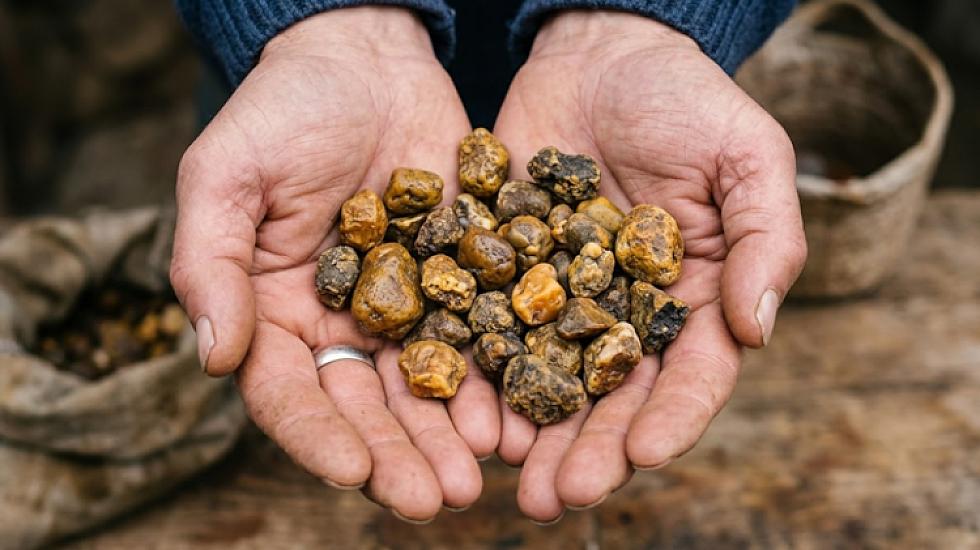
A rare biological substance with rapidly increasing value on a global scale draws attention by surpassing gold in price per ounce (approximately 28.3 grams). Medical use, limited supply, and rising demand put this extraordinary product in the spotlight.
According to Milli.Az, when asked about the most valuable by-product of the meat industry, skin or bone usually come to mind. However, experts say it is the gallstones of large cattle (ox/cow). These small and solid digestive residues currently truly compete with gold. According to international media reports, in 2025 the price of one ounce of these gallstones will rise to as much as $5,800. This figure is about twice the price of gold during the same period.
Known as "Niu Huang," these stones have been used for millennia, especially in traditional Chinese medicine. They are a main component in medicines applied in the following cases:
Hypertension (high blood pressure);
Cardiovascular diseases;
Serious neurological disorders;
Stroke (paralysis) and febrile coma conditions.
The high incidence of stroke cases in China further increases demand for this product.
The main reason why these stones are so expensive is the extreme difficulty of finding them. Gallstones usually form in older animals. However, in modern animal husbandry, animals are slaughtered at a younger age, so the likelihood of these stones forming has sharply decreased. This global shortage has caused prices to rise rapidly.
The high profit potential has also increased crime in some regions. Especially in rural Brazil, there are recorded cases where armed groups target only gallstones instead of stealing the animals. This black market, involving even slaughterhouse workers, is expanding.
Scientists have prepared "cultivated" (artificial) gallstones in laboratory conditions to meet the rising demand. While natural stones are still considered the "gold standard," these synthetic alternatives are expected to somewhat curb price increases.