
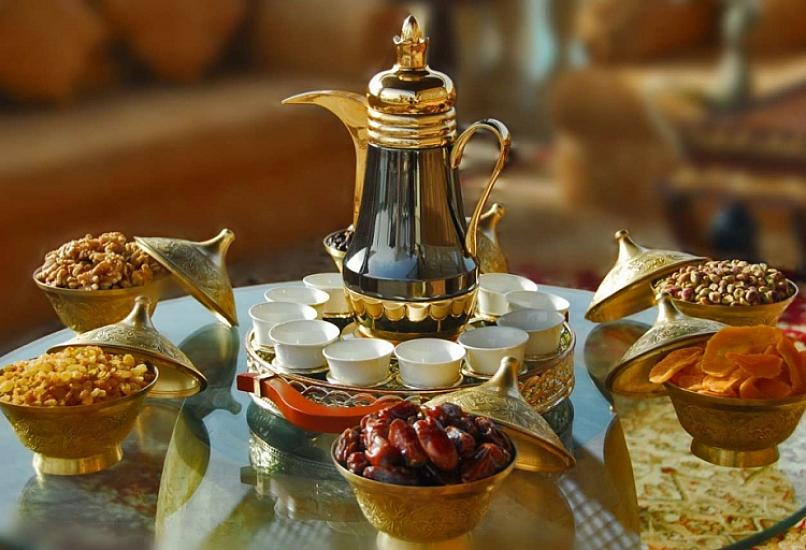

Kindness and frugality are at the forefront during Ramadan, but some catering establishments use this opportunity to gain extra income. Meals that are cheap at noon are presented in the evening as "iftar tables" at high prices, while some fasting individuals also waste food at expensive tables. This situation contradicts the true meaning of Ramadan. So how can people avoid wastefulness during the holy month? Is choosing expensive "iftar tables" the right choice? What is Islam's attitude towards wastefulness?
In an explanation to Medianews.az regarding the topic, the theologian Tural Irfan said that some businessmen and greedy people exploit the population by turning religious and moral values into material gain.
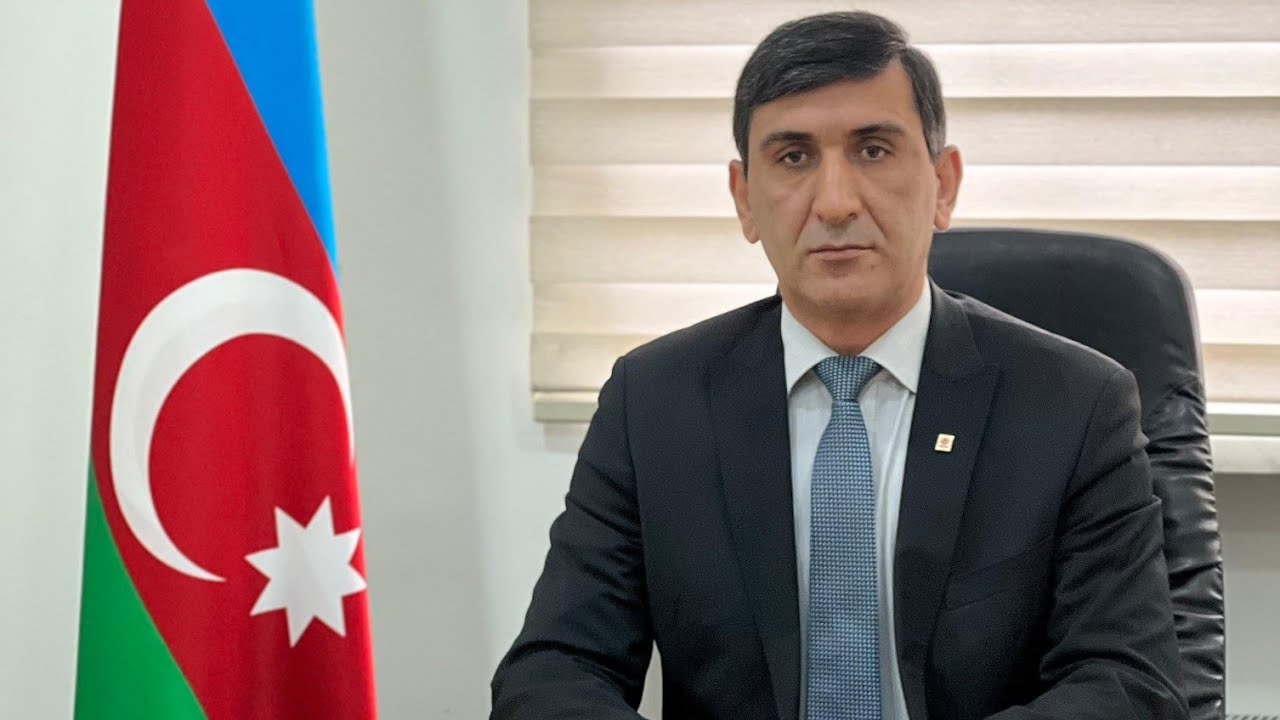
“They sell sacrificial meat during Eid-ul-Adha, and sell iftar during Ramadan. In doing so, they also sell religion and faith. People should not break their fast in such places. Because this completely contradicts the principles of humility and generosity in religion. Wastefulness is also haram. There are families who struggle to find even dry bread to break their fast. Yet some sit behind lavish tables with expensive menus and pretend they are breaking their fast. This is also not in line with Ramadan's social equality function. Wastefulness is one of the greatest sins in Islam. This month is not for physical or material nourishment or indulgence. On the contrary, it is a month of fasting, humility, simplicity, generosity, and mercy. People are not properly conveyed the essence of religion. Many religious figures are either uneducated or misguided. Many of those sitting behind these halal menus are like that. Therefore, they cannot criticize.”
T. Irfan noted that currently restaurants and cafes are exploiting the population:
“Some wealthy fasting people’s faith is poor. Therefore, without thinking about the poor, they fill their own bellies. During this month, it is necessary to eat as little as possible. Priority should be given to spiritual nourishment, worship, kindness, charity, and assisting others. Even Imams would decline invitations to such tables because wasting and filling one's belly without thinking of the poor is contrary to Islam's noble spirit. In many Muslim countries, shops and trading institutions reduce prices during Ramadan and carry out additional aid in line with the condition of the poor class. They believe that in exchange for this kindness, they both earn merit and make poor people happy.”
The theologian believes that in Azerbaijan, the owners of trading institutions think that the once-a-year opportunity must not be missed and the population must be plundered:
“They think of increasing material profit by offering expensive menus in the name of iftar, further raising prices, and trying to pass off as many fake products as possible to the public. Undoubtedly, this is an abuse of religion for trade purposes and stems from a lack of faith. Proper enlightenment and setting an example are necessary. This should primarily be done by healthy religious figures. Everyone should not be influenced by different fatwas and go in different directions. The public should be educated based on the recommendations of relevant institutions in one consistent direction. This should be done by the Caucasus Muslims Office. If a fatwa is needed, it should issue one; if advice is needed, it should provide it. It should politely convey that religion opposes wastefulness, fame-seeking, and extravagance. But unfortunately, we do not see the role of this administration and affiliated religious figures in such current issues.”
Oğuz Ayvaz
Medianews.az