

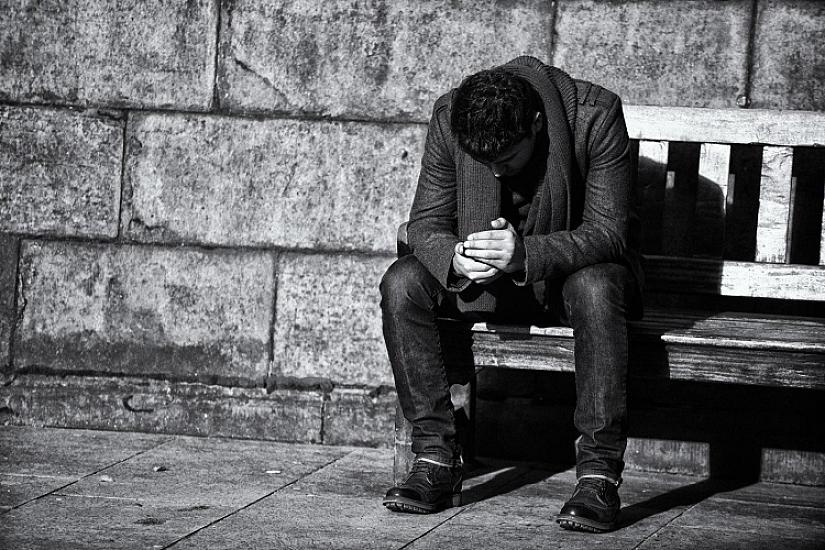

Each of us has fears in life – darkness, heights, exams... Sometimes these fears become so intense that they make our daily life, social relationships, and even leaving the house difficult. It is precisely at this point that ordinary fear turns into a phobia. The difference between fear and phobia, how phobias form, the role of genetic and environmental factors, the most common types, as well as treatment methods in children and adults, are explained by Fidan Mammadova, a psychologist at the Ministry of Health's Sanatorium-Resort Rehabilitation Center.
- Ms. Fidan, could you provide information about phobia? What is a phobia?
- First, let me say that the emotional reaction we show to external dangers is called fear. Phobias are a version of this fear. People who have a phobia are called phobic. This is one of the common anxiety disorders in people. Fear is a kind of warning mechanism. As a person is unable to relax, fear and anxiety gradually increase, and this situation can lead to panic. Panic negatively affects a person's daily life. Thus, the fear we call a warning mechanism turns into a phobia. Phobia is formed from fear – unless we reduce our fears, they grow and turn into phobia.
Sometimes fear and phobia are confused. Fear is a feeling acquired based on an experience that can be overcome. Phobia, however, is a feeling of fear that cannot be eliminated. For example, a person is afraid of a certain animal. If the person runs away from that animal even with fear – this is fear. If the person changes their path when they see that animal, later starts to avoid leaving the house, isolates themselves from social life – then the fear has turned into a phobia.
- What is the cause of phobia?
- The most widespread causes of phobia include genetic and environmental factors. Phobic disorders occur more often in families of children whose parents are characteristically anxious and worried. During the upbringing process, they pass on their fear and anxiety to the child. Those with rich imagination and emotional sensitivity are more prone to phobia. In addition, people with chronic health problems, those who have experienced trauma, or who are under long-term stress may also develop various phobias.
- At what ages are phobias observed, and what symptoms do they manifest?
- Phobias can be observed at any age. Interestingly, they are rarely evident in the elderly – probably because a simplified outlook on life leads to the disappearance of fears. They are more commonly found during childhood and adolescence. Without treatment, these phobias can last until the age of 45-50. Phobias are observed more frequently in women than men.
Symptoms include trembling, cold sweat, heartbeat, facial flushing, itching or burning sensation on the face, shortness of breath, difficulty swallowing, dry mouth, fainting, a feeling of choking, nervous breakdown, shock, loss of consciousness, nausea, and so on.
- What types of phobias are there?
- There are more than 300 types of phobias. They are divided into 3 groups: spatial (location) phobias, social phobias, and specific phobias.
Spatial phobias include agoraphobia (fear of public places such as streets, squares, markets, theaters) and claustrophobia (fear of enclosed spaces such as elevators, tunnels). Agoraphobia is most commonly observed in women and young ages. In claustrophobia, people fear being unable to breathe or being trapped there for life.
Those with social phobia fear speaking in public, performing in front of an audience, and being in an embarrassing position in front of others. They fear shyness, feelings of humiliation, and being poorly accepted by others. It often begins in adolescence and is more common among people subjected to bullying. Symptoms include facial flushing, trembling hands, sweating, and shaking.
- What is meant by specific phobias?
- Specific phobias are excessive fear and anxiety reactions to a particular situation, object, or activity. Specific phobias are categorized as animal (dog, cat, spider, rat, snake, etc.), natural environment (heights – acrophobia, water – hydrophobia), and medical phobias (blood – hemophobia, fear of needles, fear of doctors or dentists).
- Is there treatment for phobia?
- Yes, phobias can be treated. Treatment is conducted both with medication and psychotherapy. Medication alone does not give effective results – the best result is achieved by applying both methods together.
- How do phobias manifest in children and adults, and what methods are used to eliminate them?
- In children, a lot depends on parental upbringing methods. Excessive care, cruelty, or neglect can cause phobia. For example, saying "Don't touch animals, you will get an infection, they will bite" can create an animal phobia in a child. Overreacting negatively to bad grades causes school phobia. Scary movies and blood scenes also have an effect.
Cognitive-behavioral therapy, along with sand therapy and fairy tale therapy, is effective for children.
In adults, the main method is psychotherapy. Cognitive-behavioral therapy, Gestalt therapy, relaxation, autogenic training. Treatment is chosen individually. The main goal is to confront the patient with their phobia, to ensure they face their fear.
- Which phobias are observed most frequently today?
- All those mentioned above are frequently encountered. In addition, there are interesting types such as obesophobia (fear of gaining weight), ablutophobia (fear of washing), agyrophobia (fear of pedestrian crossings), anatidaephobia (fear of ducks and being followed by them). These often arise as a result of trauma.
- What advice would you give to parents whose child has a phobia?
- First, consider when and what event the phobia began. Find the cause because there is an underlying reason for the phobia. Do not blame the child; try to understand. Gradually expose the child to the fear-inducing situation: provide information, show pictures, touch it yourself, then help the child touch it. Start with simple tasks. With effective communication and psychotherapy, your child can overcome the phobia.