

It is also known as the Spring Festival for the New Year in China. It is considered the most important and revered holiday in Eastern culture. During the celebration of this holiday, colorful street festivals are organized throughout the country, and relatives and friends give each other red-colored gifts, symbolizing happiness and prosperity.
According to Lent.az, unlike the New Year which falls on a fixed date in the Western calendar, the Chinese New Year is celebrated on different days each year. The reason for this is that the Chinese New Year is based on the Lunar-Solar calendar.
According to the Chinese calendar, the year 2026 will begin on February 17.
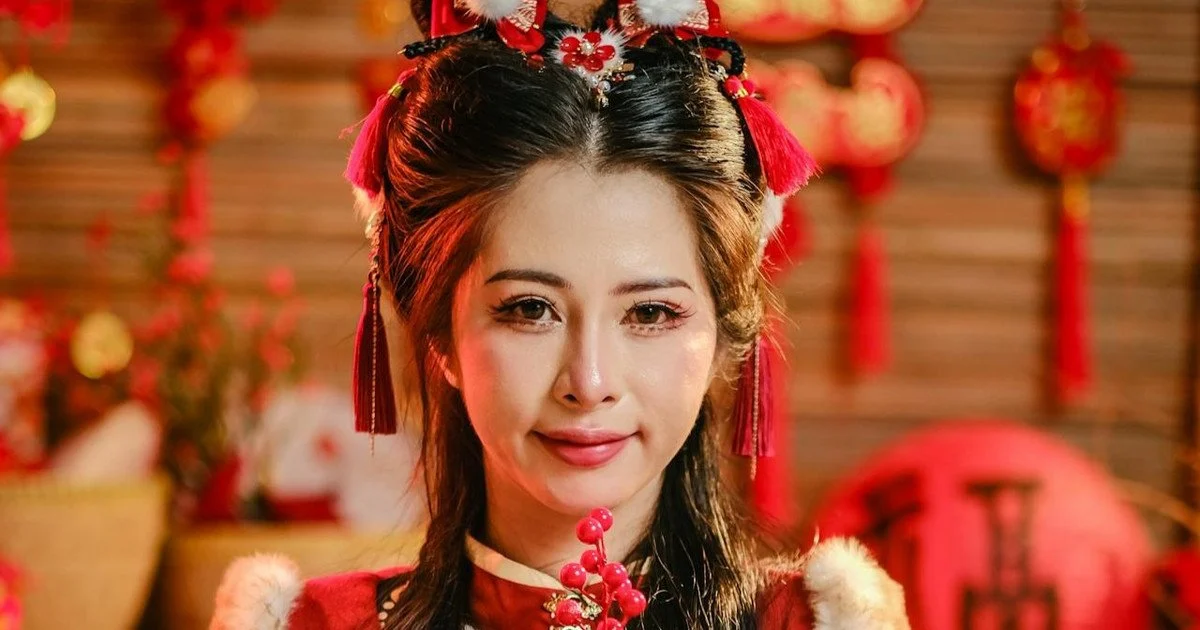
On that day, the year 4723 will begin in the Chinese calendar. According to tradition, the holiday lasts for two weeks and will end on March 3, 2026.
Chinese New Year (Chun Jie) is celebrated on a new moon cycle. It coincides with the date of the second new moon after the winter solstice (December 21, 2025).
Because the date of the holiday is determined according to the lunar-solar calendar, it changes every year. Usually, the Chinese New Year falls between January 21 and February 21, depending on the cycles of the Moon and the Sun.
The Date of the Chinese New Year
The exact time when the Chinese New Year was first celebrated is not known. However, some researchers associate its origin with the reign of the Shang dynasty in the 14th century BC.
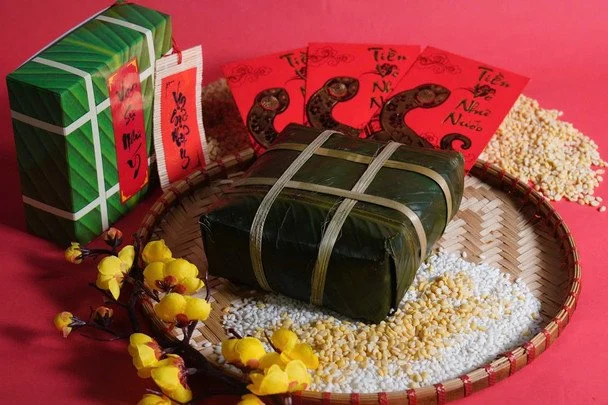
According to an ancient legend, at the beginning of every new year, the inhabitants of China had to hide from a monster called Nian (the name means "Year"). Nian would appear on the first day of the holiday and destroy settlements. Over time, people noticed that Nian was afraid of loud noises, bright lights, and the color red. Therefore, they began using these means to scare it away. This is how the tradition of red decorations and firecrackers originated.
In Chinese culture, the dragon is a symbol of power and success, which is why one of the most vivid elements of the holiday is the dragon dances. During these ceremonies, a long, colorful dragon figure is carried through the streets and this scene usually becomes the climax of the festival.