

"Russia did not prevent the revolution in Armenia because it made a deal with the West..."
"Russia did not prevent the overthrow of Assad in Syria because it made a deal with the West..."
"Russia did not prevent the bombing of Iran because it made a deal with the USA and the Jews..."
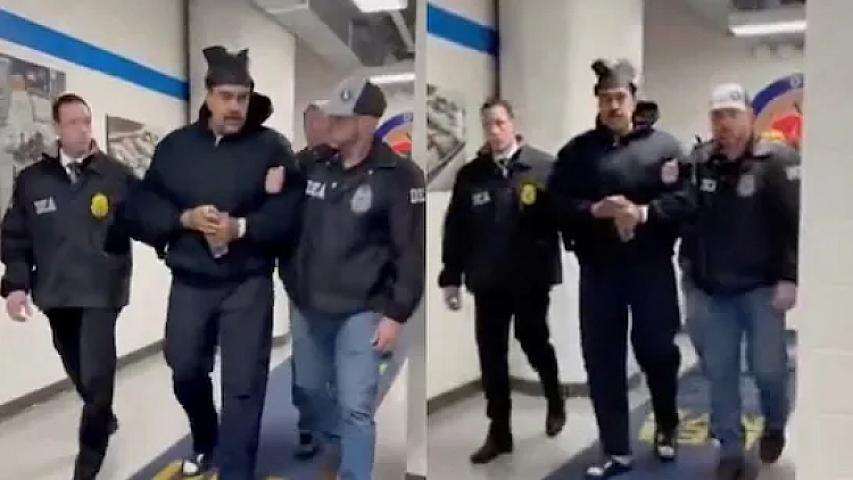
"Russia did not prevent Maduro's arrest in Venezuela because it made a deal with the USA..."
I would not want to definitively and unequivocally emphasize that all these statements are lies, because we do not know what is discussed in the routine secret contacts between major powers. Maybe there was indeed a deal in some episode, and Russia gained something.
However, one thing is certain: Russia's strategic power is gradually diminishing, and the above events have also occurred for this reason.
Evaluations based on the logic that "if something happens against Russia, then Russia itself agrees to it" are absurd. The consequences of each of these events do not align with Russia’s interests. The question "Could Moscow have prevented these, or did it not want to?" is secondary; what matters is the outcome.
Venezuela had formed a strategic partnership with Russia and China. Russia had provided Venezuela with 17 billion dollars in credit during the recent period to keep the Chavez-Maduro regimes afloat and to secure its interests in the American continent and Caribbean region. China, in exchange for crude oil, had invested 60-70 billion dollars in credits and investments to this country. (I could not find precise information on how much of these debts Maduro has repaid; it is clear that a significant portion remains unpaid). Venezuela had joined China's "Belt and Road" initiative.
The main geopolitical consequence of the "Maduro operation" is that the USA pushed China and Russia away from its backyard.
Şahin Cəfərli,
political analyst