
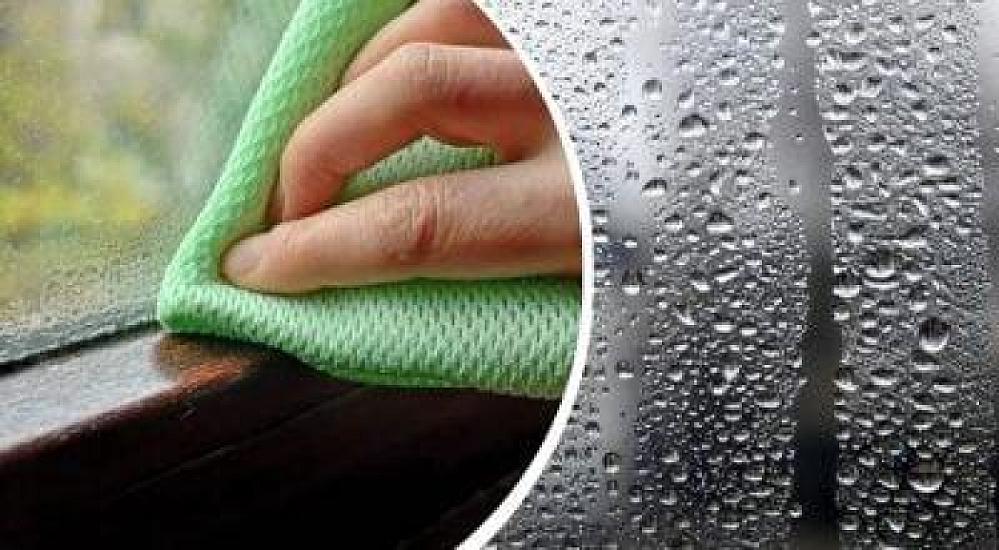
In cold weather, when the warm air in the room meets the cold window glass, water droplets form on the surface of the glass. This is not just a visual problem; over time, it leads to darkening and the formation of mold around the edges of the window.
According to Milli.Az, experts suggest very simple household methods to solve this problem.
One of the most effective methods is to use dishwashing liquid.
Pour a little dishwashing liquid onto a dry cloth and spread a thin layer on the inside of the window glass. Then, wipe the glass with another clean, dry cloth until it shines. The invisible layer created by the liquid will prevent water droplets from sticking to the glass.
Shaving foam works miracles not only on bathroom mirrors but also on windows.
Apply some shaving foam to the glass and wait a few minutes. Then wipe it with a soft cloth. This method creates a protective barrier on the glass surface, minimizing evaporation.
Glycerin, which is easily found in pharmacies, is one of the strongest weapons against evaporation.
Mix a few drops of glycerin with water and wipe the windows with this water. Glycerin prevents the water from accumulating on the glass surface and ensures the windows stay cleaner for a longer time.
If there is a lot of moisture on the window, it is physically necessary to absorb the humidity.
Place a container with sea salt or baking soda in front of the window. The salt will absorb the excess moisture in the air and prevent it from seeping onto the glass.
Along with all these methods, experts recommend the "cross ventilation" method. Opening the windows fully for 5-10 minutes at least twice a day to replace the humid indoor air with fresh and dry air is essential for fundamentally solving the problem.