

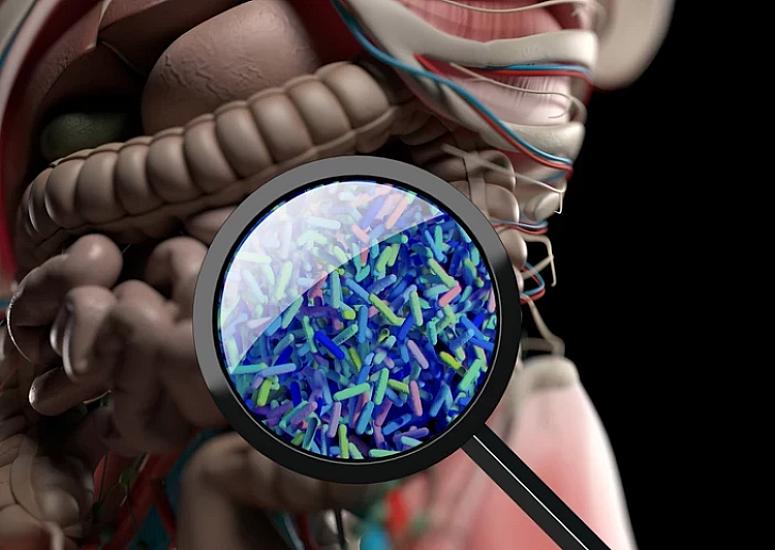

In recent years, the concept of "gut age" has become one of the main topics in studies of healthy and long life in the scientific world.
Medianews.az reports that experts say the main biological process behind age-related diseases may be changes occurring in the gut microbiota.
The disruption of the balance of trillions of microorganisms living in the intestines is linked to cardiovascular diseases, type 2 diabetes, memory decline, and immune problems. As age increases, the reduction of beneficial bacteria and the increase of inflammatory species cause a condition called "dysbiosis," which is considered one of the main mechanisms of unhealthy aging.
Scientists note that the hidden chronic inflammatory process related to aging – "inflammaging" – can pose a risk for Alzheimer’s, diabetes, and some types of cancer. Due to increased permeability of the intestinal wall, harmful substances can pass into the blood and keep the immune system in a constant state of tension.
Studies also draw attention to the gut-brain connection. The disruption of microflora balance can affect not only digestion but also memory, attention, and psychological state. For this reason, in some cases, forgetfulness and cognitive decline processes may be related to changes in the intestines.
Experts recommend simple rules to keep the intestines "young":
- consuming fiber-rich vegetables and fruits;
- preferring fermented products such as yogurt and kefir;
- regular physical activity;
- quality sleep;
- using antibiotics only when necessary.
It is noted that a healthy gut system plays a decisive role not only for digestion but also for the heart, brain, and overall quality of life.