



In recent years, the accelerating pace of life, endless workload, and the demand to "always do more" are overtly or covertly exhausting people. This fatigue, which we often do not notice, reaches such an extent that even the simplest and most routine tasks of daily life become difficult to perform. Most of the time, we simply perceive this as ordinary tiredness, but in psychology, this condition has a specific name – burnout syndrome ("burnout").
What is this burnout syndrome? What are its main psychological and physical symptoms? How does this syndrome affect work capacity and personal life? If the syndrome persists for a long time, what serious consequences can it lead to?
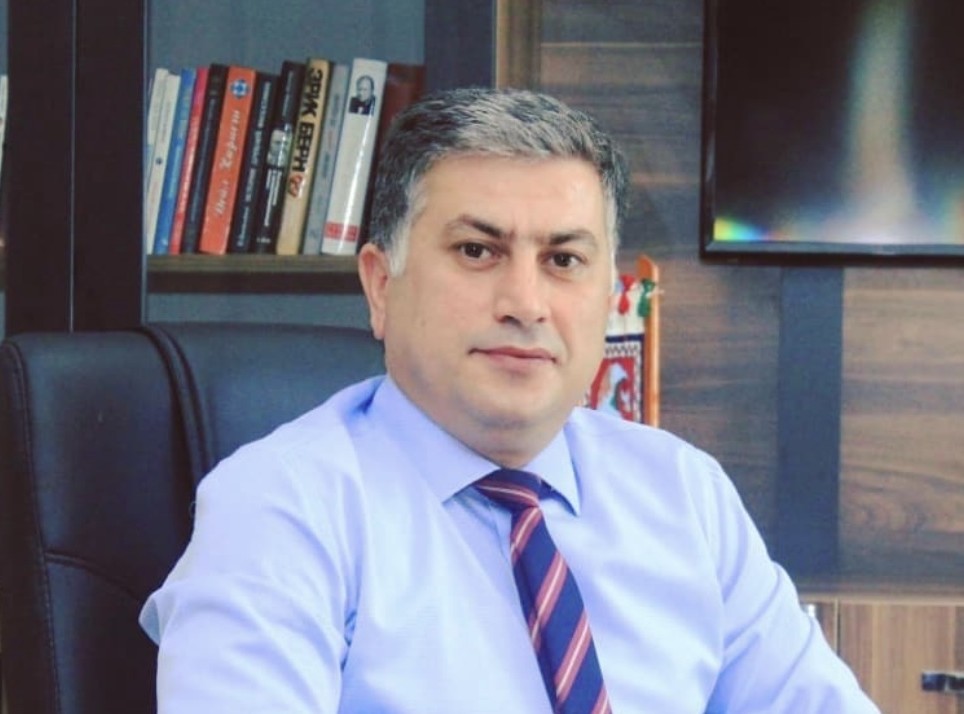
Elnur Rustamov, head of the Psychology Research Institute, stated in an interview with Medianews.az that the acceleration of life rhythm, constant performance expectations and the normalization of the "do more" approach in recent years indeed create serious pressure on the human psyche.
According to the psychologist, when this pressure is not compensated for during a long period and recovery mechanisms do not kick in, burnout syndrome develops: "Burnout is not just fatigue but a complex psychological state characterized by the gradual depletion of chronic emotional, mental, and physical resources. Although this condition is mainly related to the work environment, over time it spreads to all areas of a person's life. The core of burnout is that the person can no longer accumulate energy as before, motivation weakens, and the work they do begins to seem meaningless to them.

The most typical psychological symptoms are feelings of emotional emptiness, irritability, weakened attention, difficulty making decisions, loss of interest in work, and sometimes cynicism or indifference. The person begins to distance themselves even from activities they previously enjoyed. On the physical level, chronic fatigue, sleep disturbances, headaches, muscle tension, digestive problems, and weakened immune system can be observed. In some cases, the person feels unexplained anxiety or internal tension but cannot precisely identify its source."

Elnur Rustamov noted that the effect of this syndrome on work capacity is quite serious: "At the initial stage, the person tries to compensate for the situation by working more, but this approach produces a counter effect. Since attention and memory weaken, errors increase, productivity decreases, and the quality of decision-making falls. This negatively affects both individual performance and relationships within the team.
Personal life is not immune to this process either. The person may emotionally distance themselves from family members, social relationships weaken, and gradually a tendency toward isolation may develop. As a result, the overall quality of life decreases."

Emphasizing that prolonged burnout leads to more serious psychological and somatic consequences, Elnur Rustamov pointed out that this condition creates a basis for depressive disorders, increases anxiety levels, and sometimes triggers panic reactions: "Against the background of chronic stress, the risk of cardiovascular problems, elevated arterial pressure, and metabolic disorders increases. At the same time, a person's self-confidence weakens, professional identity crises may arise, which also affect career decisions.
The most important point is that burnout does not appear suddenly; it develops gradually and can be reversible if intervened at an early stage. Therefore, both at the individual and institutional levels, protecting psychological well-being, balancing workload, ensuring recovery breaks, and establishing emotional support mechanisms are of special importance. In the modern era, success is measured not only by working a lot but also by properly managing psychological resources."
Nailə Qasımova,
Medianews.az