

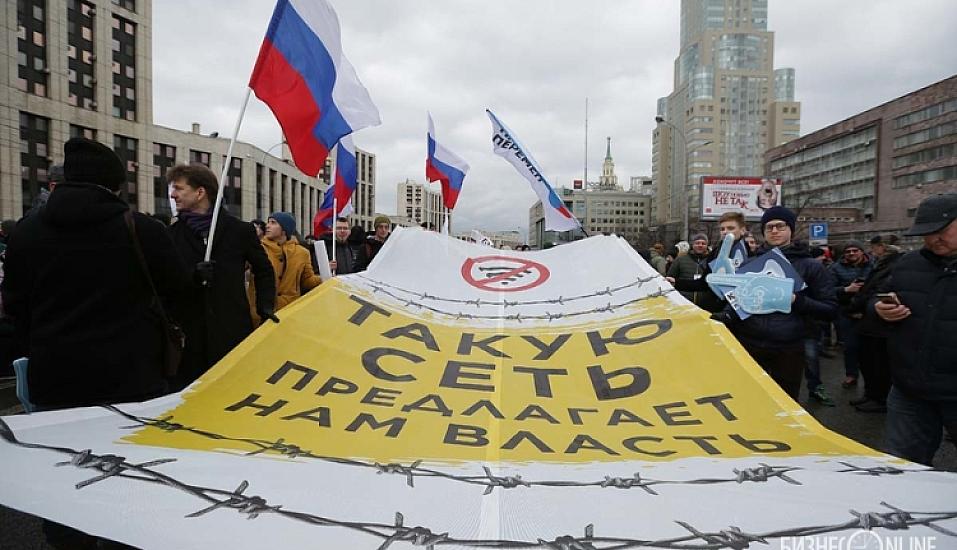

In 30 cities, including Moscow and Saint Petersburg, requests for rallies for internet freedom were denied
Russian authorities refused to approve applications for rallies on April 1 in protest against internet freedom and the blocking of "Telegram".
Medianews.az reports that this was written by "Novaya gazeta."
It is reported that in some rare cases, reasons were found almost immediately to cancel positive decisions on applications in the regions. As expected, attempts to appeal the refusals in courts were unsuccessful.
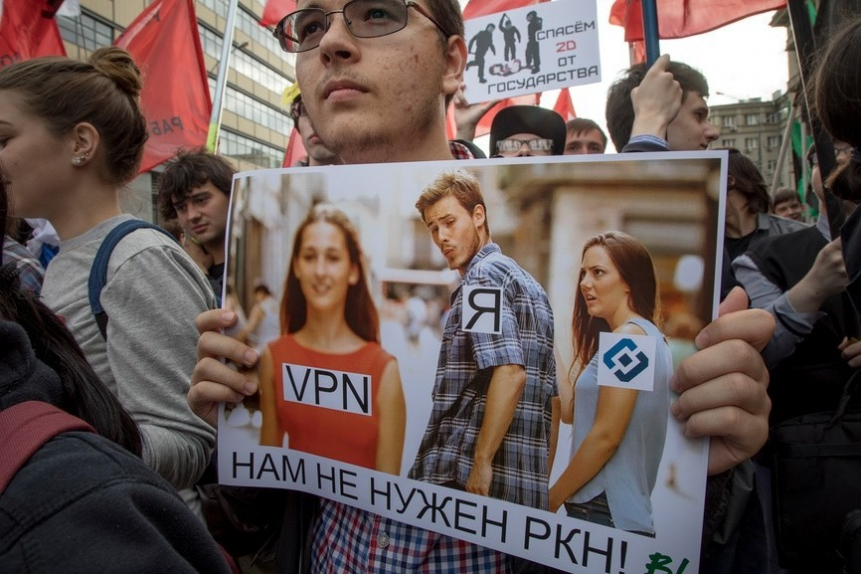
In Krasnodar, the Communist Party was initially granted permission for a free internet rally on March 28 at 11:00 AM, 11 kilometers from the city center at "Paper Birch Tree" square. However, the next day, the organizers were told that the city administration had revoked the permission. This decision was explained by a "complex operational situation" and the regularly declared "rocket and drone threat." The law no longer allows the cancellation of already issued permits, but this was disregarded. The organizers' appeal to the court was also useless.
"Yabloko" in Kazan had its request to hold a protest against internet blocking rejected on the grounds that the "Law on Meetings, Rallies, Demonstrations, Marches, and Pickets" requirements were not met. Authorities claimed the stated purpose of the rally was vague.
In Irkutsk, a "Yabloko" supporter’s demands on March 29 for a rally against "Telegram" blocking and "free internet" were declared illegal. The court sided with the administration. The Yakutsk mayor's office refused to sanction an internet freedom rally for absurd reasons. Initially, an alternative location was offered because supposed repair works were underway at the originally planned city center site; the organizers agreed but, since they did not change the rally date, the application was denied.
In Penza and Vladimir, as in Krasnodar, administrations first approved the rallies but then withdrew their approvals. In Penza, the excuse was a sudden demand for "sanitation and cleaning works" at the area where the rally was to be held. In Vladimir, the refusal was explained by a UAV threat.
In Vladimir, applicants received refusals for rally requests at 10 different locations but were offered a place called "Hyde Park" on April 1 from 9:30 AM to 10:30 AM. Although organizers agreed to these terms, authorities reversed the decision at the last moment.
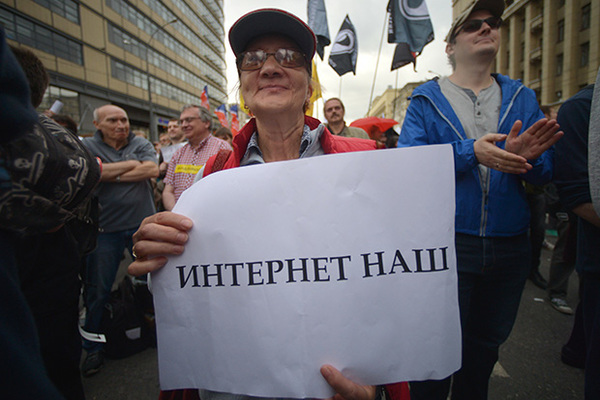
The publication writes that in total, there were rally requests for free internet in 30 cities. Requests were denied almost everywhere, including Moscow and Saint Petersburg.
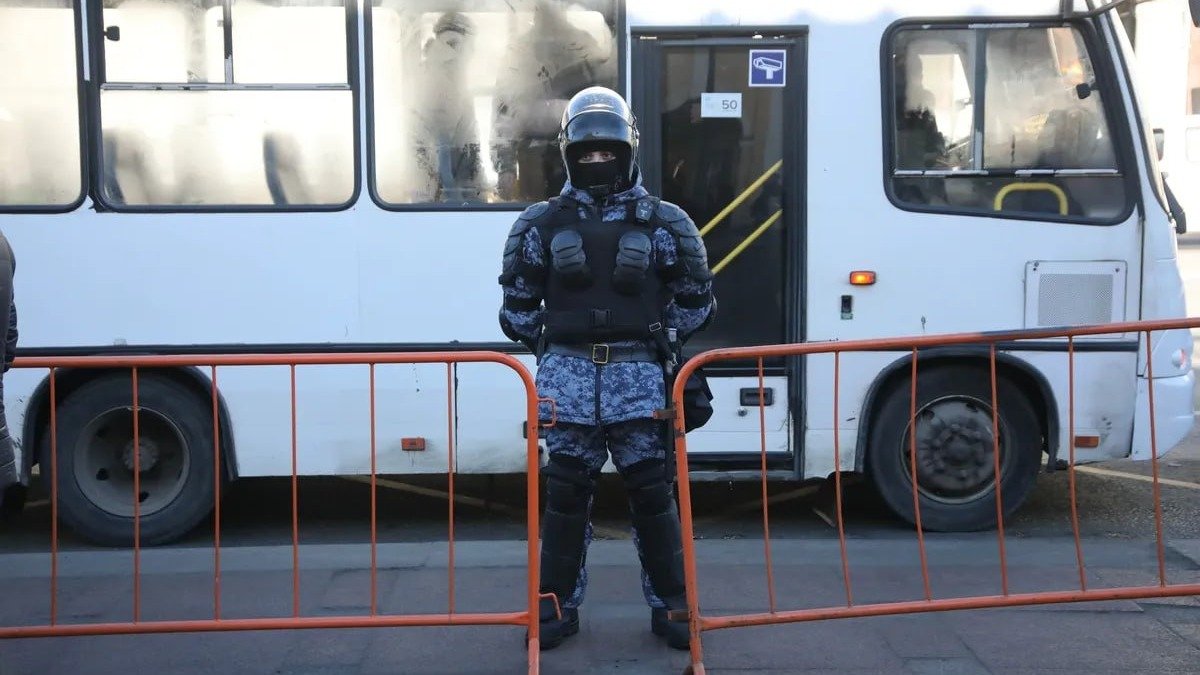
In Russia, this event is no longer accidental but indicative of a systematic approach. Authorities attempt to prevent any public activism on sensitive topics such as internet freedom using formal excuses—arguments like "security," "repairs," and "legal requirements."
Overall, this process is part of the policy to strengthen control over "Telegram" and the internet in general. For the Kremlin, controlling the flow of information is considered as important as maintaining internal stability, so public discontent is not allowed to take to the streets. /Musavat.com