
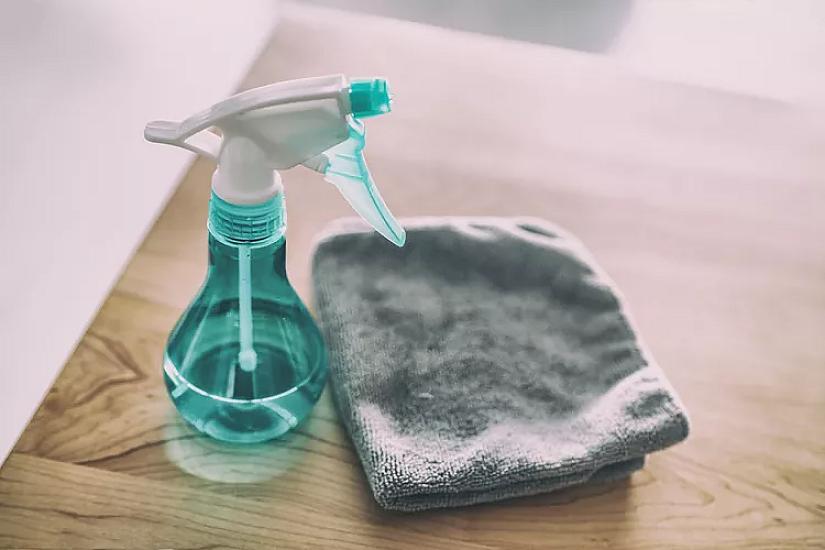
Especially mirrors and expensive crystal dishes can be scratched by microfiber fibers. Instead, use cotton or special glass-cleaning ("waffle-weave") towels.
According to Milli.Az, the anti-reflective coatings on glasses are very sensitive. Ordinary microfiber towels can damage this layer. It is important to use special cloths intended only for optical devices and to moisten the glass before wiping.
Low-quality microfibers can dull the glossy paint of a car and leave "swirl" marks. Special, seamless, and high-quality towels designed for cars should be preferred.
Since microfiber is a synthetic material, it is resistant to heat. Wiping with a hot or even warm plate can cause the fibers to melt and stick to the surface. This damages both the towel and scratches the plate.
Use cotton flannel fabrics to protect the silverware inherited from your grandmother. The synthetic fibers in microfiber can leave microscopic scratches on the soft surface of silver.
Greasy residues on kitchen appliances absorb into microfiber fibers and simply spread dirt on the surface. This leaves stains on stainless steel. It is more accurate to use special steel-cleaning cloths and wipe in the direction of the metal grain.
Golden Rules for Caring for Microfiber Towels:
Do not wash them together with cotton towels, otherwise cotton fibers will stick to the microfiber.
Fabric softeners destroy the absorbency of microfiber.
To prevent the fibers from melting, dry them in open air or select the lowest temperature on the dryer.
If the towel no longer absorbs water well, add half a cup of vinegar when washing.