

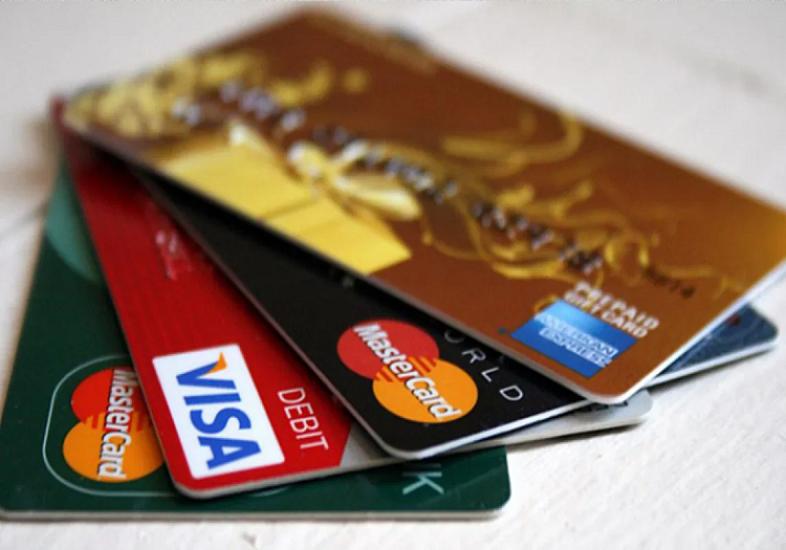

Although the card market in Azerbaijan continues to grow, a striking contradiction has formed within the numbers. By the end of January, the number of payment cards in circulation through the banks and "Azərpoçt" LLC systems increased by 176 thousand monthly, reaching 22 million 156 thousand. The annual growth is 11 percent, which can be evaluated as an expected dynamic against the backdrop of the expansion of cashless payments and increased access to banking services. However, behind the overall growth, there is a different picture. While debit cards increased by 13.3 percent, the number of credit cards decreased by 7.6 percent. In other words, the market is growing, but borrowing instruments are retreating. So what is the reason for the decrease in credit cards?
Medianews.az presents an article from the "Kaspi" newspaper on the subject:
"The aim is to prevent excessive borrowing"
According to Vüqar Bayramov, a member of the National Assembly's Committee on Economic Policy, Industry and Entrepreneurship, the decrease in credit cards is primarily related to changes in their issuance conditions: "New rules have been developed by the Central Bank regarding the credit line, and according to these rules, a direct connection has been established between a citizen's official income and the credit line opened for them. The goal is to prevent excessive borrowing by citizens and to make lending more responsible. This step serves to keep borrowing under control and to reduce risks. This process does not mean a weakening of consumer lending. There is still demand for consumer loans, and growth is observed in the credit portfolio."

In V. Bayramov's opinion, the innovation distances citizens from excessive borrowing: "In earlier periods, there was no full proportionality between the official income and the credit line opened on credit cards. As a result, some banks and postal institutions offered high credit lines, and control mechanisms were not as strict as they are now. This sometimes caused citizens to become excessively indebted. Especially, opening large limits compared to income later created payment difficulties, delays, and additional financial obligations. The implementation of the new rules had a direct impact on the number of credit cards, because a credit card essentially means opening a credit line, and each new card creates a potential borrowing opportunity. The decrease in credit cards is not due to weakening demand but is considered as market optimization. Excessive borrowing could have become a risk factor for financial stability in the long term."

"An increase in the number of credit cards is expected again"
The parliamentarian noted that this dynamic does not mean that credit cards will continue to decline in the coming periods: "There are enough citizens with official income who want to obtain a credit card, and for the applicants, a limit is set according to their income. In other words, it is not a complete loss of demand in the market, but a more selective and measured lending model is forming. After the new rules are implemented, the market reacts for a certain period, and later adjusts to the new conditions and forms a balance. After the adaptation phase, a renewed increase in the number of credit cards is not excluded, and the market is expected to develop on a more stable structure."

"Large credit lines are not easily offered"
Bank expert Emin Karimov noted that credit cards are issued taking into account the customer's income and expenses, and this process consists of several stages: "For the card to be issued, the citizen must apply to the bank, and existing debts in their name, monthly official income, credit obligations, and guarantees are assessed. In other words, the credit card is not just a payment tool but also a credit line, and financial indicators are the main criteria for opening this line. For example, if a person wants a credit limit of 3,000 manat but according to the bank's calculations a maximum of 1,500 manat is suitable for them, that person may also face refusals from other banks based on their overall debt level. This ultimately affects the total number of credit cards because not every application results in a positive decision, and limits are not opened for persons with high risk indicators. Additionally, the tightening of rules by regulatory bodies and the more precise criteria for assessing borrowers affects banks' credit policies. Unlike earlier periods, it is now impossible to easily offer large credit lines of 3-5 thousand manat. Banks apply lower limits to reduce risks and take a more selective approach. This can statistically lead to a decrease in the number of credit cards."
According to E. Karimov, the increase in debit cards and the decrease in credit cards are regulated by the overall market trend: "Nevertheless, credit cards retain their importance for citizens as an additional financial resource and play a role in financing consumption."

"More preference is given to consumer loans"
According to the expert, the attractiveness of consumer loans also influences the figures: "The decrease in demand for credit cards is in some cases related to the avoidance of borrowing by the population. At certain times, citizens may give more preference to consumer loans. For example, while consumer loans in some banks are offered starting from 10 percent, interest rates on credit cards can range between 22-30 percent. This difference affects choice and causes a temporary decrease in the use of credit cards."