
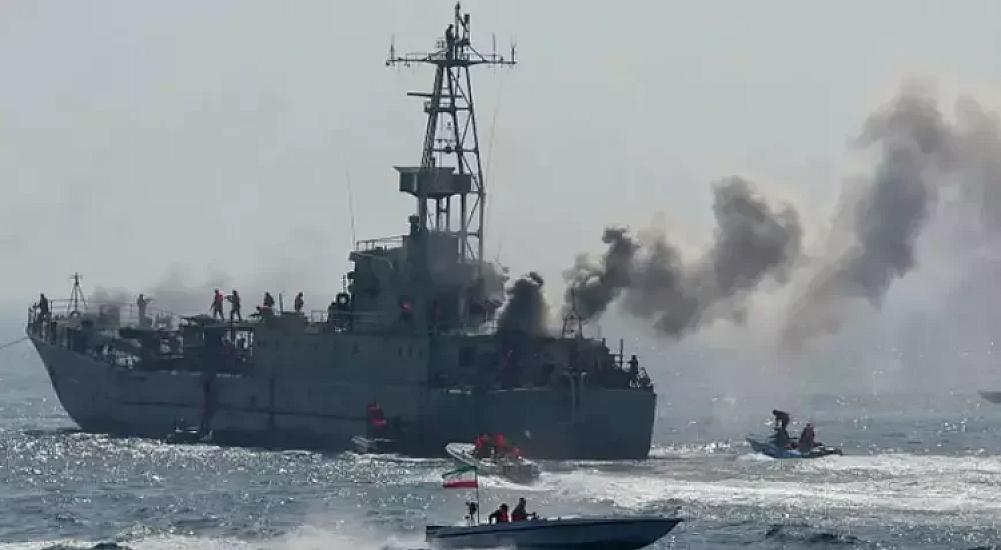
While the US-Israel and Iran conflict continues and the global energy crisis deepens, the search for alternative routes to the Hormuz Strait is accelerating. Within this framework, a long-unused energy route in the Middle East has been brought back to the agenda.
The New York Times publication has reported on this matter.
It was stated that Syrian President Ahmad al-Sharaa has proposed a new land-based energy corridor extending from the Gulf region to the Mediterranean Sea, and from there to Europe. This initiative aims to reduce dependence on the Hormuz Strait.
At the center of the plan is the Trans-Arabian Pipeline, which was built between 1947-1950. This pipeline, stretching 1214 kilometers from Saudi Arabia’s Abqaiq fields to Lebanon’s Sidon port, had a daily transmission capacity of 500,000 barrels. The pipeline ceased operations in 1983 due to the civil war in Lebanon.
The Syrian leadership is considering the restoration of this pipeline, which has been inactive for over 40 years, and its use as an alternative energy route.
It should be noted that although Saudi Arabia, Iraq, and the UAE are expanding alternative export routes through various pipelines, experts emphasize that none of these routes alone could entirely replace the Hormuz Strait. // Publika.az