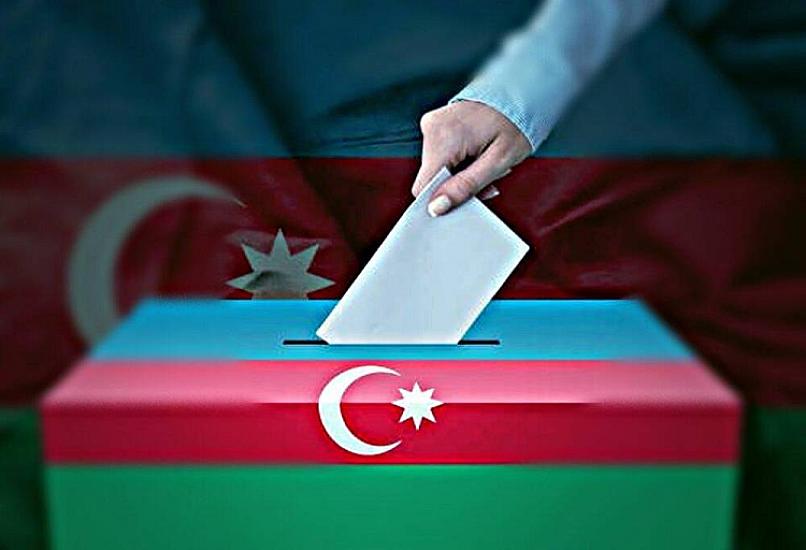

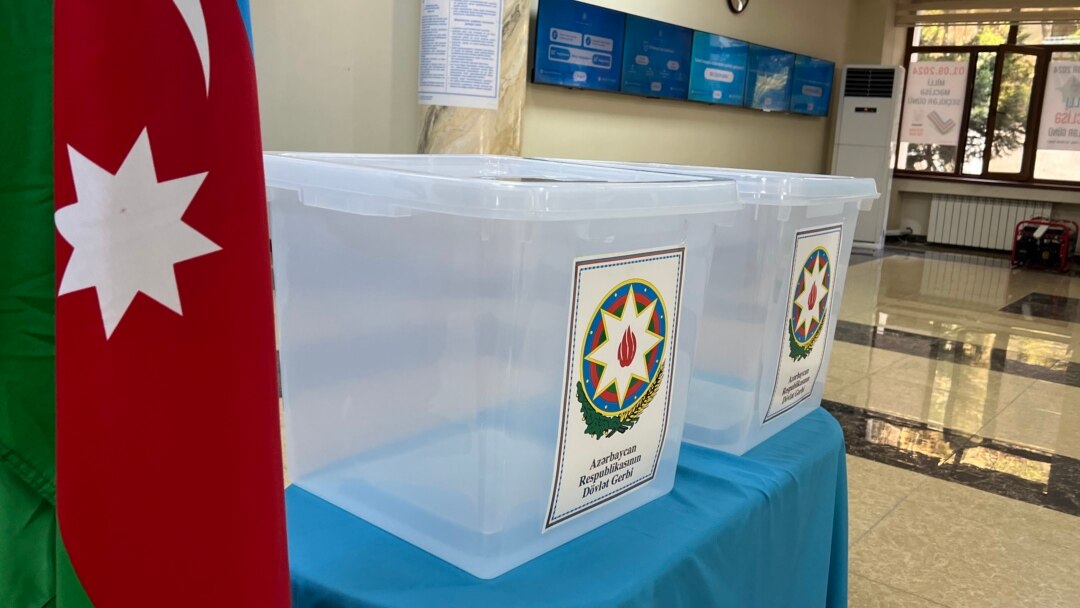
The Central Election Commission, responsible for preparing and conducting elections and referendums in Azerbaijan, has 18 members: 6 seats are held by representatives from the majority party in the parliament, 6 seats by minority parties, and 6 seats by non-partisan deputies.
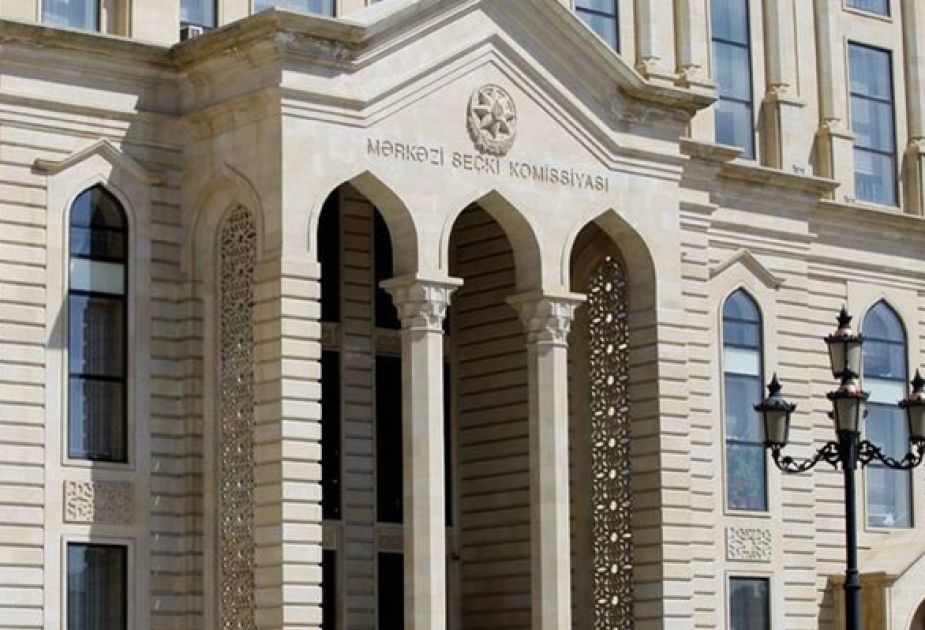
The same parity principle is applied in the formation of district election commissions with 9 members and precinct election commissions with 6 members.
In the current parliament, the New Azerbaijan Party has 67 mandates, the Civic Solidarity Party has 3, and the Justice, Law, Democracy Party, Great Azerbaijan Party, Republican Alternative Party, Democratic Reforms Party, Great Construction Party, Azerbaijan National Independence Party, Motherland Party, National Front Party, Azerbaijan Democratic Enlightenment Party each have 1 mandate, and non-partisan individuals hold 45 mandates.
Medianews.az posed the question: would it be possible to change the formation procedure of election commissions, for instance, creating commissions composed only of representatives presented by political parties...
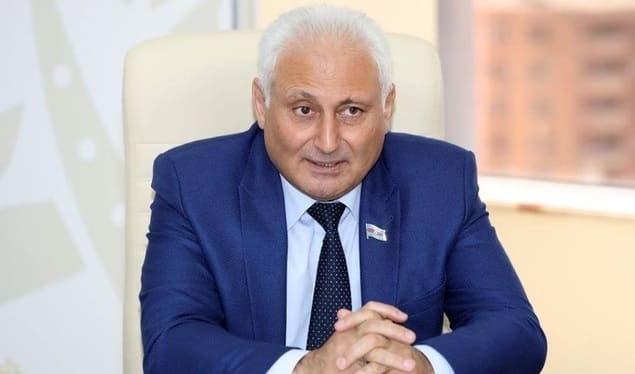
Hikmat Babaoğlu, member of the Board of the New Azerbaijan Party and deputy of the National Assembly, says that election commissions are formed proportionally according to the political worldviews present in society: “This way, representation of all political views is ensured in the commission. Consequently, the primary guarantee of a democratic election is established. Therefore, Azerbaijan proceeds from this position when forming the Central Election Commission, as well as the lower election commissions, in their current form.
Of course, the election system is a dynamic system that is constantly improving and adopting modern technologies as needed. However, it is essential for the system to be functional. Currently, election commissions are formed in a very optimal way regarding the active participation of political forces and maintaining balance among them according to this participation; there is no need to change this. If in the future, a different form of election commissions becomes relevant in society and there is a necessity for it, then the matter can be reviewed.”
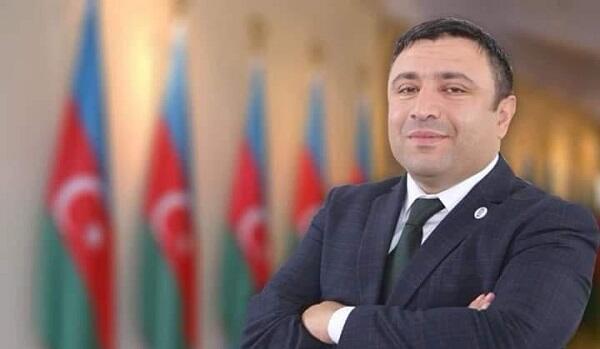
Samir Asadli, Deputy Chairman of the Civic Solidarity Party, notes that the current formation procedure of election commissions was established in 2003 when the Election Code was adopted: “However, the Election Code is a legislative act that always needs improvement. In the following years, certain additions and amendments were made to it, and the issue of aligning our election system with new models worldwide should always remain a focus. Considering there is no limitation on making amendments to the Election Code, it is expected that this process will continue. But any changes to the code are within the authority of the parliament to which the power is granted.”
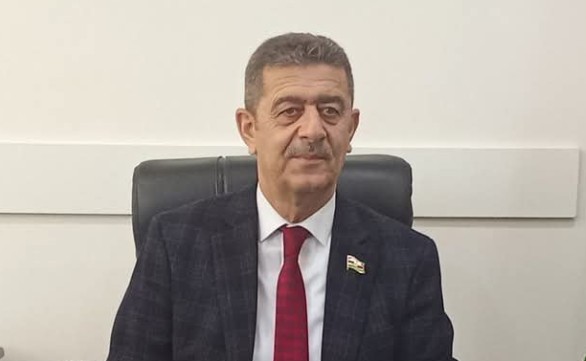
Elshad Musayev, Chairman of the Great Azerbaijan Party and deputy of the National Assembly, states that proposals to reconsider election legislation are raised from time to time: “There are quite different proposals such as forming commissions strictly from political party representatives or from independents. Until any of these proposals are reflected in the legislation, it is not possible to create election commissions in a different form in our country. The composition of election commissions is formed as indicated in the Election Code, and this will continue unless changes are made to the existing rules in the code in the future.”
Elshad Musayev also points out that there is no single model in world practice: “In some countries, election commission functions are carried out by statistics agencies or internal affairs bodies.”
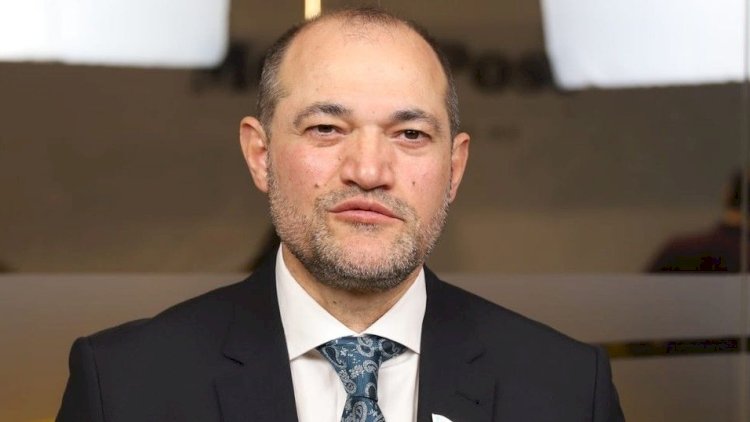
Razi Nurullayev, Chairman of the National Front Party and deputy of the National Assembly, mentions that his party has not discussed this issue, specifically forming election commissions only from representatives of political parties: “Currently, this matter is not on the agenda of the National Front Party. Therefore, we have not formed a specific position related to proposing or supporting such an initiative.”
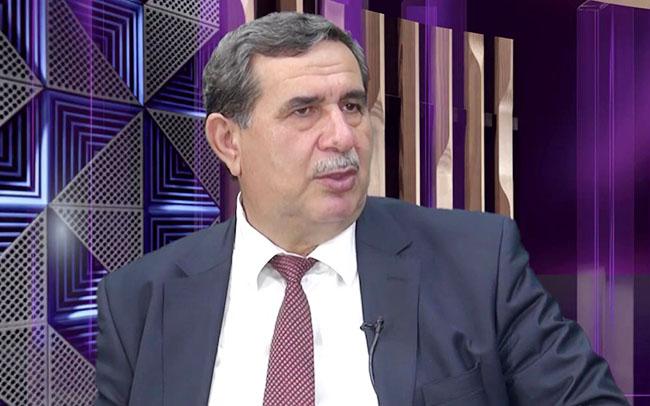
Lawyer Gulamhuseyn Alibeyli states that not all political parties in Azerbaijan equally trust the current model of election commissions’ formation: “However, moving to a model where commissions are formed only from representatives presented by political parties may be quite debatable. On the surface, this might seem like strengthening the role of parties in organizing and conducting elections and enhancing their constitutional functions in the country's political system as a whole. It can be considered that such a mechanism would increase transparency and mutual control in the work of election commissions. That is, if commissions are fully composed of representatives from competing political parties, it would be difficult to allow election fraud. But this mechanism also has certain drawbacks and risks.
Theoretically, election commissions should act as independent, impartial, and unbiased institutions, and their members should prioritize state interests over party interests. In this respect, commissions composed strictly of political party representatives could hinder the impartial and unbiased position of these institutions, leading to party interests being prioritized in commissions. It is even possible that party interests could prevent decision-making in election commissions, potentially resulting in election violations.
Another risk is related to organizational matters. For example, some parties might not have sufficient administrative and organizational potential to form commissions. Consequently, efforts to form all election commissions on a partisan basis may fail.”
G. Alibeyli emphasizes that in many countries a separate independent, impartial election bureaucracy is created specifically for preparing and conducting elections: “The participation of political parties in forming election bodies is more characteristic of post-Soviet, post-socialist states. To my knowledge, there is no country where the formation of election bodies is based solely on representatives of political parties.”
Nailə Qasımova,
Medianews.az
Note: This article was prepared on the topic “Protection of Public and State Interests” with the financial support of the Media Development Agency of the Republic of Azerbaijan and in accordance with competition conditions.