

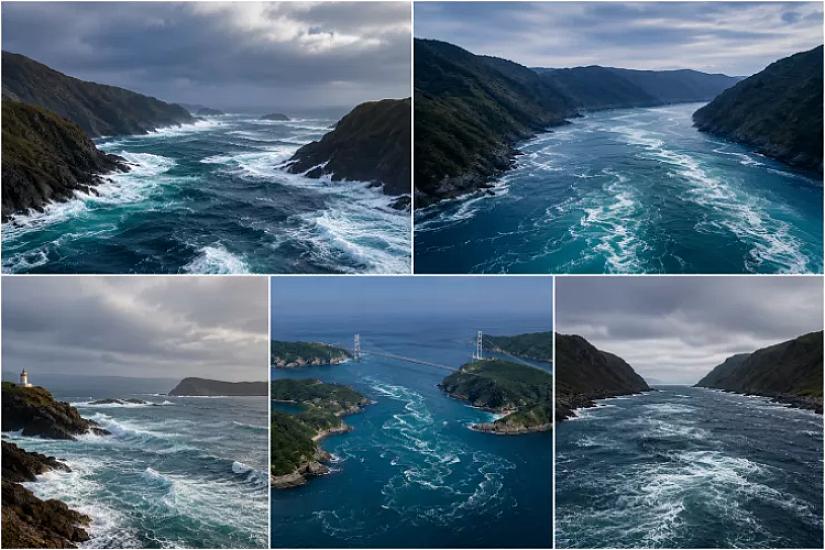

Products manufactured in factories around the world, Europe's gas reserves, Asia's electronics market, Middle East oil, and Africa's food imports—all depend on several straits. These straits may appear small on the map, but their importance to the global economy is sometimes considered very significant. International security experts call these points global choke points because even the smallest crisis there can affect the daily lives of millions of people. Research shows that about 80 percent of world trade is conducted by sea, and the majority of these shipments pass through just a few narrow channels.
So, which are the five most important straits that play a major role in global trade processes? What would happen if they were closed?
Medianews.az presents Lent.az's investigation on this matter.
The first of these straits is the Hormuz Strait.
.jpg)
The world's energy security depends on this strait remaining open. Oil tankers leaving the Persian Gulf pass through here to reach global markets. The energy exports of countries such as Saudi Arabia, Qatar, Kuwait, and the United Arab Emirates largely depend on this passage. According to reports from international energy agencies, about one-fifth of the world's consumed oil passes through Hormuz.
If Hormuz were to close, approximately 20% of the world's oil would stop, gasoline and gas prices would sharply increase, the Gulf countries' economy would suffer a heavy blow, military risks between the US, Iran, and regional states would rise, and global inflation would accelerate.
The other critical point is considered to be the Malacca Strait.
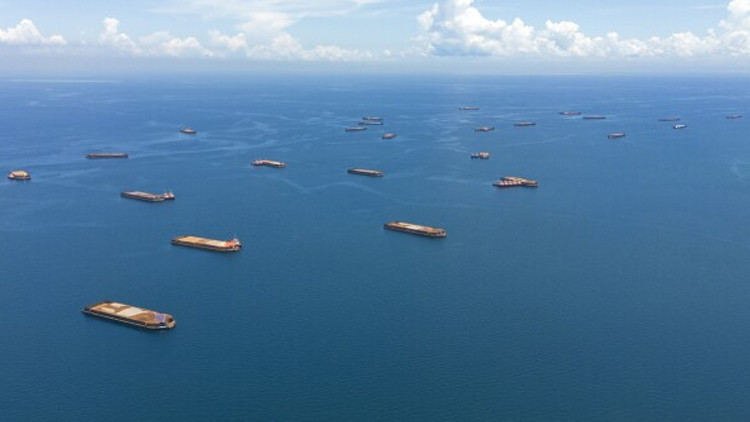
This passage is vital for Asia, considered the production center of the world economy. Energy resources, semiconductors, industrial components, and container cargoes required for Chinese factories are primarily transported along this route. Every year, tens of thousands of ships pass through Malacca on their way to the Singapore port.
International security centers' reports note that the Malacca Strait is also one of the risky areas in terms of geopolitical competition.
If the Malacca Strait closes, China's economy would experience a severe energy crisis, shortages would arise in electronic and technological products, and the global logistics system could be paralyzed. Additionally, ships would have to use longer and more expensive alternative routes.
One of the most dangerous areas for global trade is considered the Bab el-Mandeb Strait.
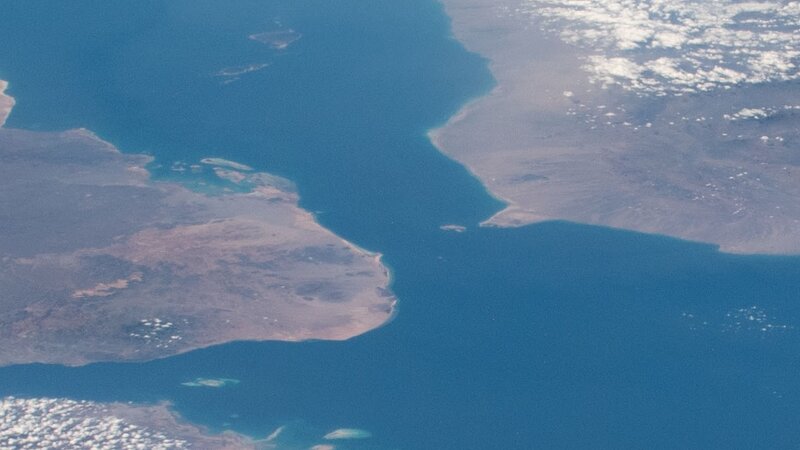
This passage connects the Red Sea with the Gulf of Aden and is an integral part of the Suez Canal route, which is one of the main arteries of Europe-Asia trade. Due to attacks by armed groups in the region, many cargo ships have been forced to change routes in recent years.
At first glance, this change may seem simple. However, for a ship to move around the southern tip of Africa — the Cape of Good Hope — means thousands of additional kilometers. This results in increased fuel costs, insurance fees, and delivery time. Consequently, the prices of products sold in stores rise. International logistics companies report that the crisis in the Red Sea has already led to new price increases in the container market.
If the Bab el-Mandeb Strait were closed, Europe-Asia trade would slow down, the Suez Canal would effectively become ineffective, and oil and container shipments would be delayed. In this case, ships would have to pass around Africa instead.
The Bosphorus Strait, located in the Black Sea region, is an extremely sensitive point both economically and politically.
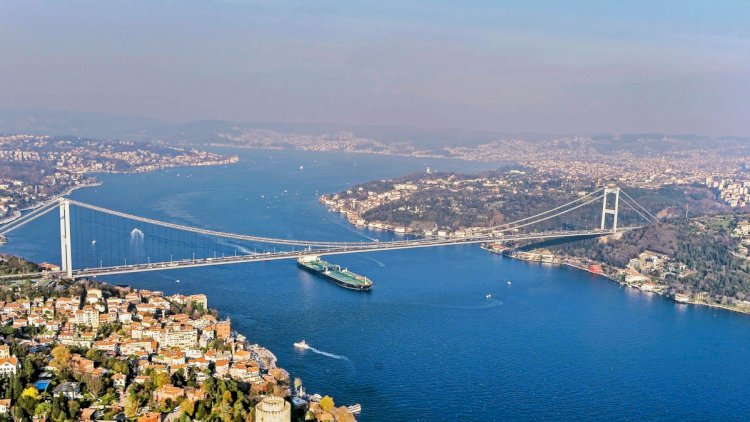
Through the Bosphorus, Black Sea countries gain access to the Mediterranean Sea. This route plays a vital role especially in grain export for Russia and Ukraine. In recent years, the crisis over grain shipments during the Ukraine war has shown that a serious problem arising at the Bosphorus could directly affect global food security.
If the Bosphorus Strait were closed, Russia and Ukraine's maritime trade would suffer a heavy blow, grain exports would near a halt, and energy transportation would face problems.
The Suez Canal, one of the greatest symbols of global trade, has revealed how much the modern world has built a dependent system.
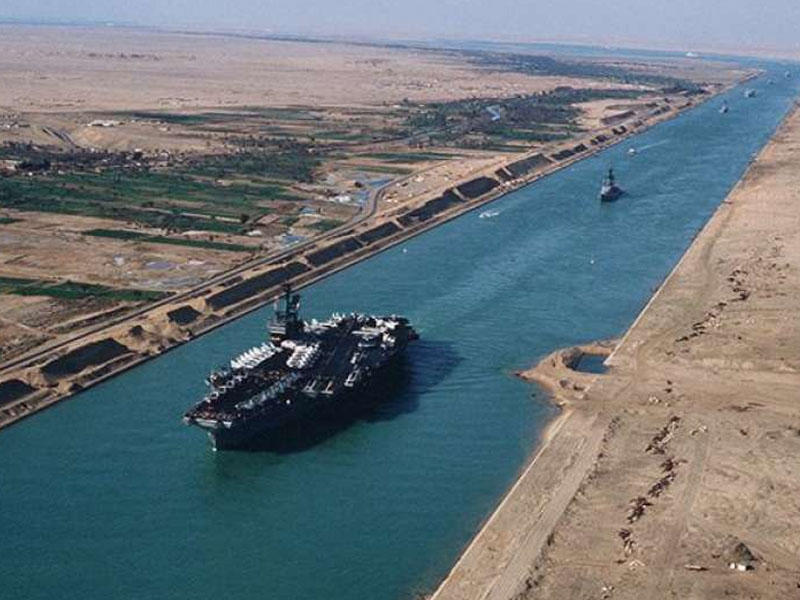
In 2021, when the Ever Given ship got stuck in the canal, hundreds of ships waited in line for days. Container shortages arose in ports around the world, and companies announced losses of billions of dollars.
One of the most interesting points is that none of these straits is without an alternative, but the alternatives are very expensive and slow. For example, if the Suez were closed, ships could pass around the southern tip of Africa. If Hormuz were closed, some countries could use pipelines. However, none of these alternatives can fully replace the current trade volume.
Research shows that the greatest weakness of the modern world is precisely that it has built an overly interconnected economic system. While a crisis occurring in one country used to be local, now an incident at one strait affects supermarket prices at the other end of the world. Economists believe that in the future, the main struggle between great powers will not only be over territory and energy but also for control over these strategic maritime choke points.