

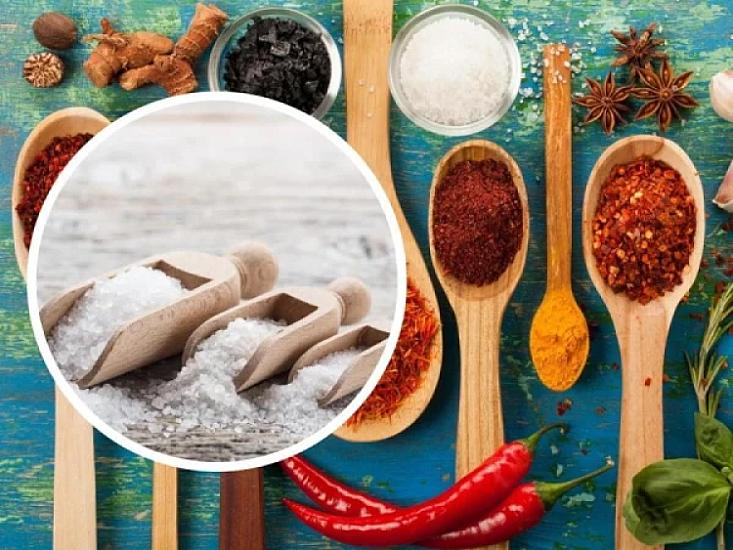

Salt is considered one of the main kitchen products that enhance the taste of foods. However, excessive consumption of it can lead to a number of health problems.
Medianews.az, citing Foodinfo.az, reports that gastroenterologist Yekaterina Kashukh gave recommendations on the proper use of salt and ways to replace it with relatively healthy alternatives.
According to the specialist, the World Health Organization recommends limiting the daily salt intake for healthy adults to 5 grams. This amount is slightly less than a teaspoon. For children under 7 years old, the norm is considered half of this amount, and for infants under one year old, it is not recommended to add salt to their food at all.
The doctor emphasizes that this is not only about pure table salt. There is hidden salt in sauces, ready meals, fast food products, canned goods, and even some desserts. It is not necessary to completely remove these products from the diet, but their quantity should be monitored.
Reducing salt is a difficult process for many people. Since taste receptors have become accustomed to salty foods over the years, at first, food may seem tasteless. According to experts, it takes about a month for receptors to readjust. During this period, the natural taste of foods begins to be felt more clearly. Doctors recommend gradually reducing the salt and at least getting into the habit of not sprinkling additional salt on the table.
The gastroenterologist notes that there are actually no products that completely replace salt. All means that provide a salty taste contain sodium to a greater or lesser extent. For example, powder made from the leaves of the salicornia plant, which grows in coastal areas, contains sodium as well as potassium and magnesium salts, as well as iodine and other trace elements. Since the sodium chloride amount is low, the taste is milder, but it cannot be considered a complete salt substitute.
Another natural alternative is dried seaweed. They are sold in small flakes or powder form. These products contain about 95 percent less sodium compared to regular salt and are regarded as a good source of iodine. Although these plant-based alternatives do not have serious contraindications, they can cause individual intolerance in some people.
Salt products with reduced sodium content, containing potassium or magnesium chloride, are also available in stores. However, the full use of potassium salt may be risky for those with kidney disease, heart failure, diabetes, and for those taking blood pressure lowering medications.
Experts also recommend other methods to reduce salt intake. Lemon or lime juice and their peels can add a sour and tangy flavor to dishes, thereby reducing the need for salt. Spices and aromatic herbs also enrich the taste of foods. When using ready-made mixed spices, attention should be paid to whether they contain salt. Apple or balsamic vinegar is suitable for salads and marinades but excessive use can harm the gastrointestinal system.
In conclusion, the doctor states that completely abandoning salt is not appropriate. The main goal is to keep its amount within the norm. The daily norm for healthy people is up to one teaspoon, and for those with cardiovascular diseases and edema, it is about one-third of a teaspoon. By properly using sour and spicy products, it is possible to make foods tasty without additional salt.