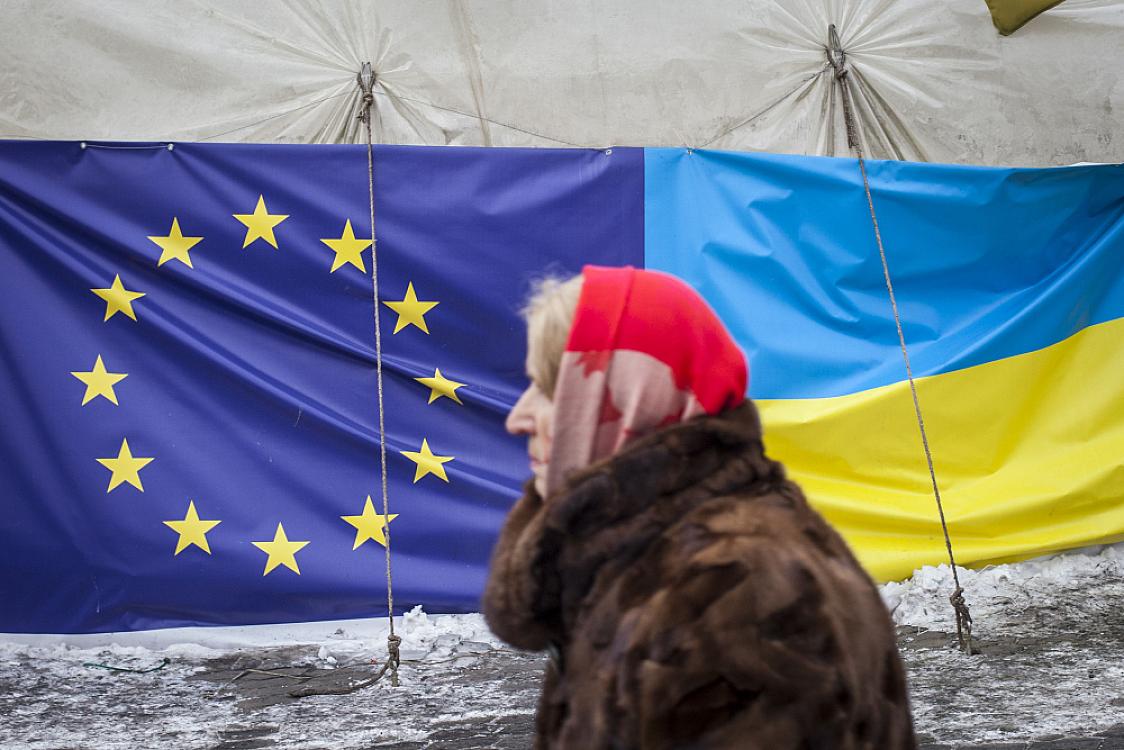
The European Union (EU) claims to have shown "strong support" by allocating a 90 billion euro interest-free loan to Ukraine in Brussels. But when you look beneath the surface of this decision, the picture that emerges is not so heroic. On the contrary, it gives the impression of time and comfort granted to Russia under the veil of caution.
If Russia is waging an aggressive war against Ukraine, if cities have been destroyed and millions of people displaced from their homes, then the question is simple: why is it still not Russia but rather indirectly Ukraine and European taxpayers who are bearing the financial cost of this war?
The EU says it is avoiding legal risks by not touching frozen Russian assets. But what about the political risks? Indecision is also a risk. This indecision is a clear message to Moscow: Europe is still not ready to cross the "red lines" drawn by the Kremlin. Therefore, the Kremlin's "reason prevailed" celebration is not surprising.
A loan is a debt in any case. Even if it is interest-free. Ukraine is borrowing today to survive, and tomorrow it enters the reconstruction phase already under a burden. Russia, however, is still on the “we’ll see later” list. That is, responsibility is postponed, justice is delayed.
The lack of unity within the EU is also a weak point of this decision. If Belgium’s legal concerns weigh heavier than the entire political will of Europe, then the problem lies not only in law but in will. This portrays the EU not as a global power but as a hesitant observer.
Ukraine needs aid - this is indisputable. But shifting responsibility under the name of aid is not a way out. If Russia does not respond today with its own resources, why would it do so tomorrow?
The Brussels compromise has given money to Ukraine and time to Russia. In wars, time always works to the advantage of the attacker.
Sarvan Samadoghlu,
Germany