

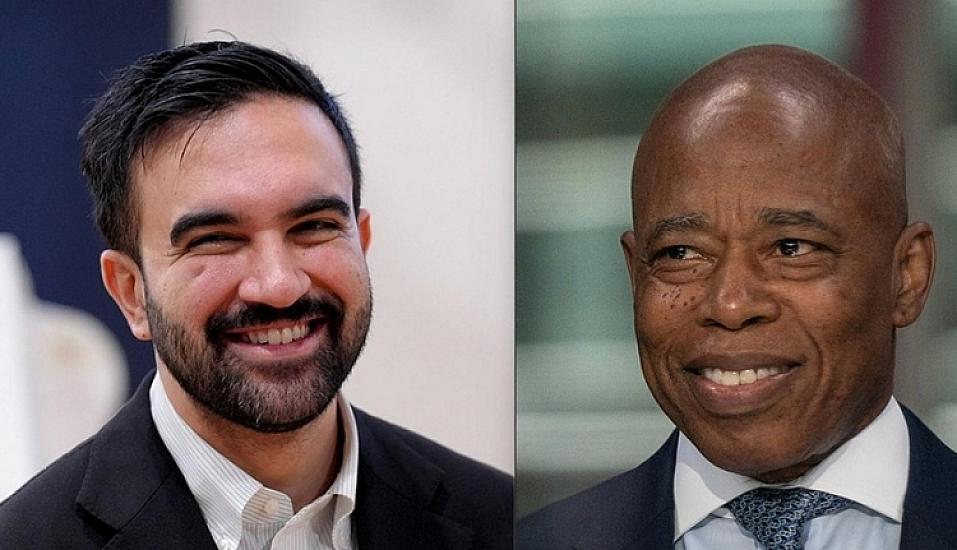

The Example of Zohran Mamdani and Eric Adams Shows That in Politics, Interests, Not Identity, Are Decisive
Sometimes the biggest mistake in politics is not properly assessing the difference between expectations and reality. People often draw conclusions based on identity, religion, or affiliation, but events often develop in a completely different direction.
The recent events have shown this once again clearly.
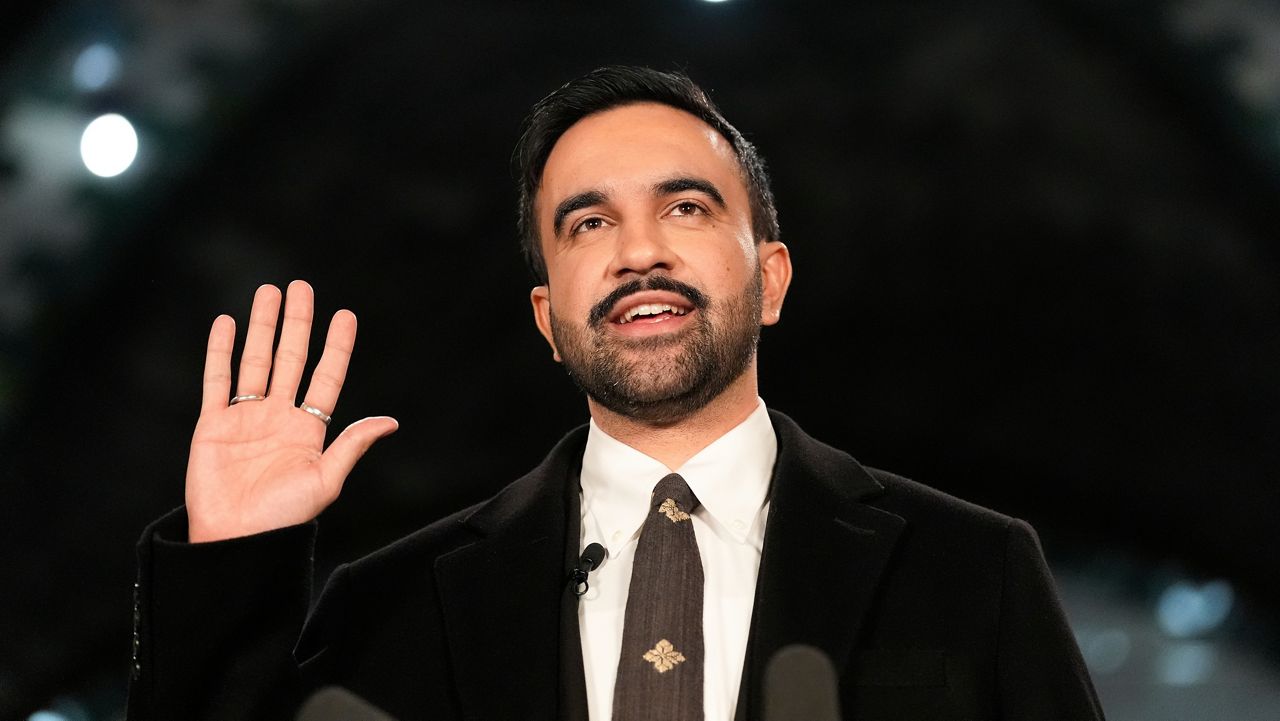
Statements by Democrat Zohran Mamdani overturned many people’s expectations.
To better understand this picture, it is enough to recall a classic political truth.
Charles de Gaulle said: “Nations have no friends, only interests.”
This approach may seem harsh, but that is reality. The same line was expressed more explicitly by Henry Kissinger: “America has no permanent friends or enemies, only interests.”
In this context, a famous view often attributed to Winston Churchill is also recalled: Great Britain has no permanent friends or enemies, only interests. But the root of this approach actually goes back to Lord Palmerston.
He expressed it more precisely and classically as: “We have no eternal allies, and we have no perpetual enemies. Our interests are eternal and perpetual.” This idea later became one of the main principles of British foreign policy philosophy and is still considered one of the most accurate theses explaining the mechanism of global politics.
Viewed against this background, the issue related to the New York mayor no longer appears emotional but fully logical.
Expectations based on Muslim, especially Shia identity, crumble; politics based on interests remains. And the result does not change: a politician should be evaluated not by their identity but by their specific position.
Because both history and the present say the same thing: interests are above all.
Although his expressed views are formally built on universal values, in essence they outline a line close to the Dashnak-Armenian narrative. This was a serious disappointment especially for some circles in Azerbaijan who call themselves “democrats.”
However, not long ago, his election was welcomed with joy. It was thought that religious and identity affinity would also reflect itself in the political stance. But politics doesn’t work like that.
Democrat Eric Adams, who belongs to the same political camp, pursued a different line. When he was New York mayor, he approached these issues more cautiously, avoiding steps that would sharpen relations. He took a more pragmatic position in relations with Turkey and Azerbaijan. An Azerbaijani employee in his team — Rena Abbasova — worked in the field of international relations and played a role in establishing these relations.
These two different approaches clearly show one truth: in politics, “proximity” is often an illusion.
This is not unique to this incident only. History and contemporary politics are full of such examples.
Relations between Russia and Armenia were once extremely close. Armenia was considered Moscow’s main stronghold in the region. Today, relations are openly tense. Trust has been shaken, and the parties view each other with suspicion.
The same can be seen in US–Azerbaijan relations. During the Joe Biden administration, relations were quite cold. But over time, geopolitical realities shifted, and today more close, pragmatic cooperation is observed between the parties.
Turkey’s foreign policy under Recep Tayyip Erdoğan is also a classic example. Ankara sharply worsened relations with Saudi Arabia over several years, then normalized them. Relations with Egypt became tense and then dialogue began. A similar dynamic was observed in relations with Israel — sharp declines followed by rapprochement, then tensions again...
These changes are not accidental. This is the nature of politics.
In politics, sympathy and antipathy arise not from personal feelings but from national interests.
In this context, the matter related to the New York mayor is no exception. It is part of the general rule.
A politician should be evaluated not by their identity but by their specific position. If a politician opposes Azerbaijan and Turkey, it does not matter whatsoever which religion or party they belong to.

A position contrary to national interests is a national threat.
From this viewpoint, another example is noteworthy. US Vice President JD Vance is a Republican. In his statements regarding the region, he touched on the Armenian issue and displayed a similar stance. This caused a serious resonance. But Azerbaijan and Turkey were able through diplomatic and political coordination to neutralize the effect of such approaches. Thus, JD Vance had to delete a status referring to the Armenian genocide. That is, in politics, emotions do not count; coordination and strategic position produce results.
Mr. JD Vance is the second most important person in America after the president. If Turkey and Azerbaijan can make him delete his status, Zohran Mamdani should not be left unchecked either...
The Hungary example also shows this. During Viktor Orban’s time, Budapest pursued a policy close to Azerbaijan and Turkey. If this line changes, it is inevitable that the attitude towards Hungary will also change.
Armenia is also an interesting example from this viewpoint. Dashnak-thinking Armenia was openly built on hostility against Turks. But under Nikol Pashinyan, a different line is observed — attempts to reconcile with Turkey and Azerbaijan, a tilt away from Russia and Iran.
This also affects relations. Because again the main criterion does not change: what matters is not who you are but how you behave.
Let us not forget: in politics neither friendship nor enmity is permanent. Only interests are permanent. And those who cannot properly understand these interests will always be disappointed.
Elbeyi Hasanli. Baku