

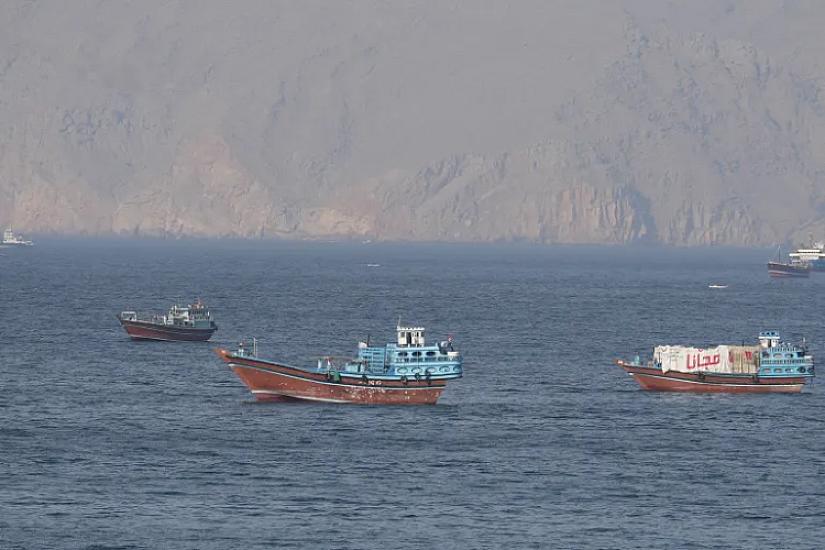

"The postponement of the second meeting of the US and Iranian delegations in Islamabad indicates the continuation of uncertainty in the region." Political analyst Elkhan Shahinoglu said this in an interview with Medianews.az.
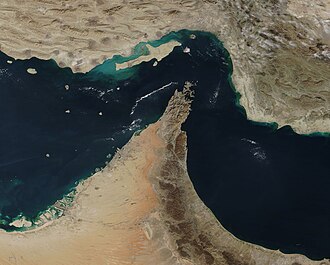
He stated that Iran’s refusal to participate in the previously agreed talks with the United States has led the parties to a tense and observed wait-and-see position: “If the likelihood of an agreement being reached between the two countries in Islamabad was high, US Vice President James Pence would have gone to Islamabad again, as he did during the first meeting. However, Mohammad Ghalibaf, the speaker of the Iranian Parliament, was not eager to go to Islamabad again without Tehran's demands being taken into consideration. The reason for this is the United States' failure to end the blockade of the Strait of Hormuz. Tehran's demand is that after the US ends the blockade, Iran will open the Strait of Hormuz to tankers. Since Washington did not take this step, Tehran refused to attend the Islamabad meeting. US President Donald Trump believes that it is possible to conduct talks in Islamabad while maintaining the blockade around the Strait of Hormuz. Tehran does not agree with this.”
Pakistani officials believe Washington is responsible for the failure of the talks. Because in Islamabad, they consider that the failure of the talks is connected to the US's continuation of the blockade of Hormuz. So far, there has been no change in Donald Trump's position on this issue. The White House has only stated that it has extended the ceasefire.
Pakistani officials have announced that they expect Iran to participate in the negotiations to be held in Islamabad. Pakistan's Information Minister said that the country acts as a mediator, maintains constant contact with the Iranian side, and remains committed to a diplomatic solution. According to the minister, it is very important for Iran to make a decision in a short time. He added that intensive diplomatic efforts continue to persuade Tehran officials to participate in the second phase of the talks.
Thus, the Pakistani government has intensified its efforts. The goal is to achieve a positive outcome from the Islamabad meeting. Because if there are no meetings and discussions, this will increase tension and the risk of a new war in the region. The Gulf countries are in distress. Because if war starts again, Iran's missiles and drones will once again target the Gulf countries. This is also confirmed by the statement of the commander of the Iranian Revolutionary Guard Corps Air Force, General Majid Musavin. He threatened Iran's southern neighbors with these words: "If their geography and production capabilities are used by enemies to commit aggression against the Iranian people, they must say goodbye to oil production in the Middle East.”
Naila Gasimova,
Medianews.az