
Scientists are closely monitoring several viruses for 2026 because evolving pathogens, climate change, increased population density, and global travel create conditions for the emergence of new viral threats.
Trend reports this citing foreign media.
According to the information, the most serious concern so far is the highly pathogenic avian influenza H5N1 virus. Particularly in the USA, its transmission to dairy cattle has increased the risks associated with human infections.
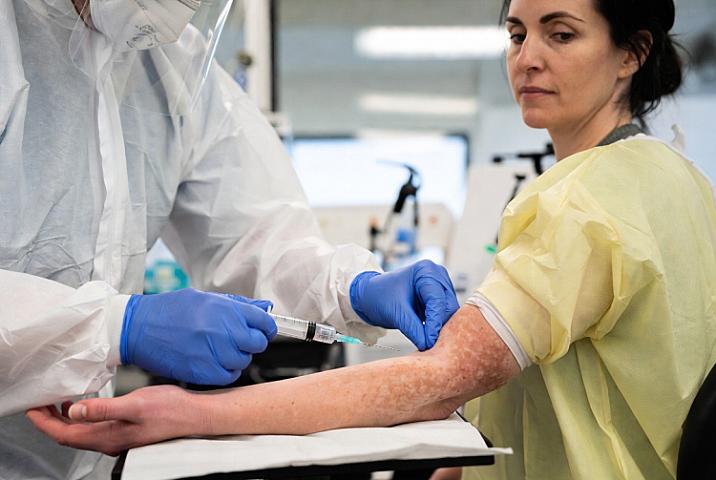
“Mpox” (Monkeypox), which caused a global epidemic in 2022, has now established itself worldwide. Recently, there has been an increase in cases of a more severe variant of the disease in Central Africa and the USA.
Additionally, the “Oropouche” virus, transmitted by mosquitoes, is expanding its range beyond the Amazon region, and the outbreaks of this virus are likely to continue affecting travelers across the Americas.
Other ongoing viral threats include chikungunya, an increase in measles cases against the backdrop of declining vaccination rates, the potential resurgence of HIV, as well as the constant risk of new, yet undiscovered pathogens.