


Azerbaijani legislation allows abortion up to the 12th week of pregnancy. In special cases, abortion is also legal between the 12th and 28th weeks.
In some countries around the world, the attitude towards abortion is stricter. In more than 20 countries, including Andorra, Malta, El Salvador, Honduras, Senegal, and Egypt, abortion is entirely prohibited under any circumstances, with no exceptions.
In over 50 countries, abortion is only allowed when the physical and mental health of the woman is at risk. These countries include Iran, Pakistan, Malaysia, Israel, Monaco, Saudi Arabia, Qatar, United Arab Emirates, Algeria, Cameroon, Kenya, Indonesia, Morocco, Madagascar, Libya, Tanzania, Uganda, Venezuela, Bolivia, and Peru, Colombia.
In Brazil, abortion is legal only in cases of rape, threats to the mother's life, and diagnosis of fetal anencephaly (absence of part of the brain and skull). For this, a woman must obtain permission from one doctor and at least three medical experts.
In Poland, abortion is permitted only when cases of rape, incest (sexual relations between close relatives) are detected, or when the mother's life is in danger.
Some experts in Azerbaijan believe that the current legal requirements regarding abortion open the door to abuses, artificial interventions, specifically selective abortions.
Between January and March 2026, 53.8% of babies born in Azerbaijan were boys and 46.2% were girls. When the State Independence was restored in 1991, there were 1048 women for every 1000 men, while in 2025, there were 1009 women for every 1000 men in Azerbaijan.
Although the number of women currently exceeds men in our country (men make up 49.8% of Azerbaijan's population, women 50.2%), some interpret the predominance of boys among newborns as a signal that the gender balance will seriously change in the future.
Experts who primarily link the decline in the number of women in recent decades and the current predominance of boys among newborns to selective abortions call for tightening the conditions of abortions in Azerbaijan, even to the point of a total ban.
Is it true that the current legislation on abortion in Azerbaijan allows selective interventions in pregnancy?
Is there a need to tighten the conditions for abortion, increase restrictions, or fully forbid abortion in our country?
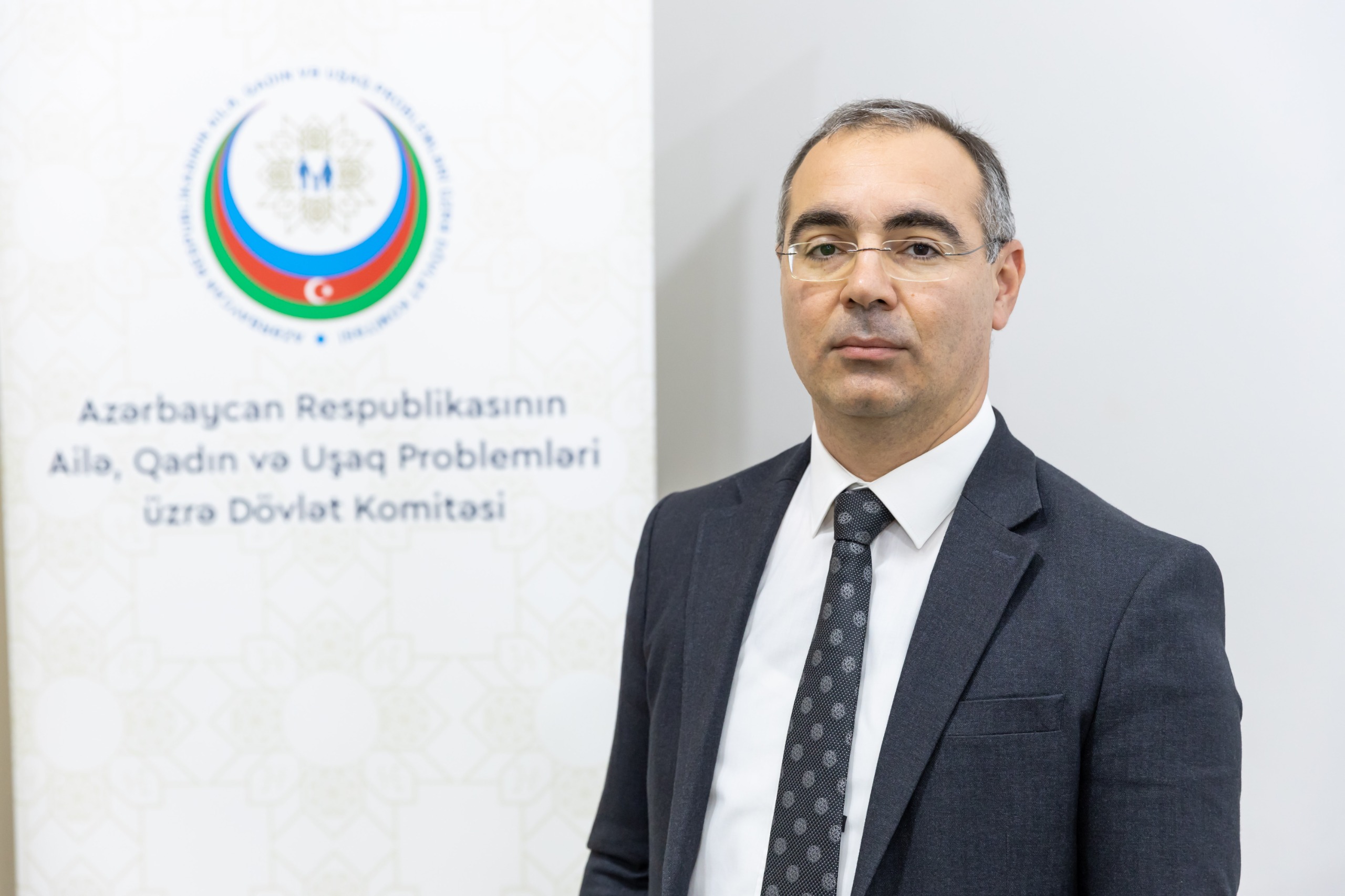
Rafiq Mahmudov, Chief Advisor of the Family Issues Department of the State Committee for Family, Women and Children’s Problems responded to the inquiry of Medianews.az, stating that according to the legislation of the Republic of Azerbaijan, especially the "Law on Protection of Population Health", every woman has the right to make an individual decision regarding the artificial termination of pregnancy (abortion): “The law allows a woman to have an abortion upon her own desire up to the 12th week of pregnancy. Between 12 and 22 weeks, this process can only be performed based on social and medical indications (for example, fetal pathology, violence, etc.). The fact is that modern medical science determines the fetus's gender through ultrasound examination (USG) precisely after the 12th week. Abortions performed solely on the basis of the fetus's gender after the 12th week without medical or social indications are illegal. Unfortunately, parents learn the fetus’s sex via ultrasound after the 12th week, and if the child is a girl, they classify it in the paperwork as ‘undesired pregnancy’ and decide on abortion. Although the current legislation does not directly allow selective abortion, gaps in the implementation mechanisms create real conditions for such cases.”
R. Mahmudov noted that in the Western world, abortion is regarded not just as a medical procedure but as a fundamental cornerstone of human and women’s rights: “However, the approaches in this area differ significantly. After the U.S. Supreme Court repealed the Roe v. Wade decision, federal-level guarantees for abortion rights were removed. According to reports from official U.S. statistical agencies and sociological centers, there is currently sharp polarization in the country: abortion is entirely banned in more than 13 states, while in other states strict limitations are imposed up to the 6th-12th week of pregnancy. In response, states like California and New York declared abortion rights as a woman’s sovereign right over her own body and granted it special protection status. The situation in the U.S. shows that political bans do not reduce the overall number of abortions but simply force women to move to other states where the procedure is legal (abortion tourism).”
Within the European Union, abortion is mostly recognized as a fundamental human right. France was the first in the world to include abortion rights directly into its constitution. The European Parliament also officially supports the special initiative "My Voice, My Choice" aimed at expanding safe and legal abortion opportunities for women.
Nevertheless, abortion remains strictly restricted or criminalized in countries such as Poland and Malta. The restrictions imposed in Poland have not increased official birth rates but instead stimulated secret ‘abortion tourism,’ with women traveling to the Czech Republic and Germany.”
R. Mahmudov reminded that medical science has long proven that abortion causes serious trauma to the female body and leads to many pathologies: “During surgical intervention, damage to the uterus, internal bleeding, infections, and hormonal disorders cause chronic diseases and inflammatory processes in later periods.
Experience from foreign countries clearly shows that as legislative prohibitions increase, women resort to non-medical, secret, and illegal abortions. In such cases, the risks of fatal complications such as maternal death and infertility increase at least fourfold.
The most humane, scientific, and effective method to prevent abortions, including selective interventions, is not bans but the development of a modern contraception (protection from unwanted pregnancy) culture.
In developed European countries, the percentage of women using modern family planning and contraceptive methods (barrier methods, hormonal pills, intrauterine devices) reaches 70-80%. In Azerbaijan, however, this figure is quite low, approximately around 10%. The majority of women in our country are unaware of protection methods or lack affordable access to quality means. Consequently, abortion turns into a family planning mechanism, which is completely incorrect usage.
Regular and informed use of modern contraceptives reduces the number of unwanted pregnancies by 95%. This automatically means a sharp decline in abortion statistics and in selective abortion scenarios.”
R. Mahmudov believes that there is no need to completely ban abortion in Azerbaijan or to take away a woman's rights over her own body: “Radical bans do not solve the problem fundamentally; they only increase female deaths and stimulate illegal markets.”
R. Mahmudov, who sees the way out for our country not in bans but in comprehensive reforms, emphasized three main points:
- Modern contraceptive methods should be included in the Mandatory Health Insurance package, and free or subsidized access should be provided for young people and low-income families.
- Licensed doctors who illegally disclose the fetus’s gender to parents, leading to secret abortions, must have their licenses revoked and face fines. Successful experience in this regard can be drawn from South Korea.
- Family planning centers should strengthen their activities in the regions, and large-scale social programs should be implemented to raise the status and value of girls in society.
R. Mahmudov stated that protecting the natural balance of the gene pool is not about depriving women of rights but about protecting, educating, and medically enlightening them.
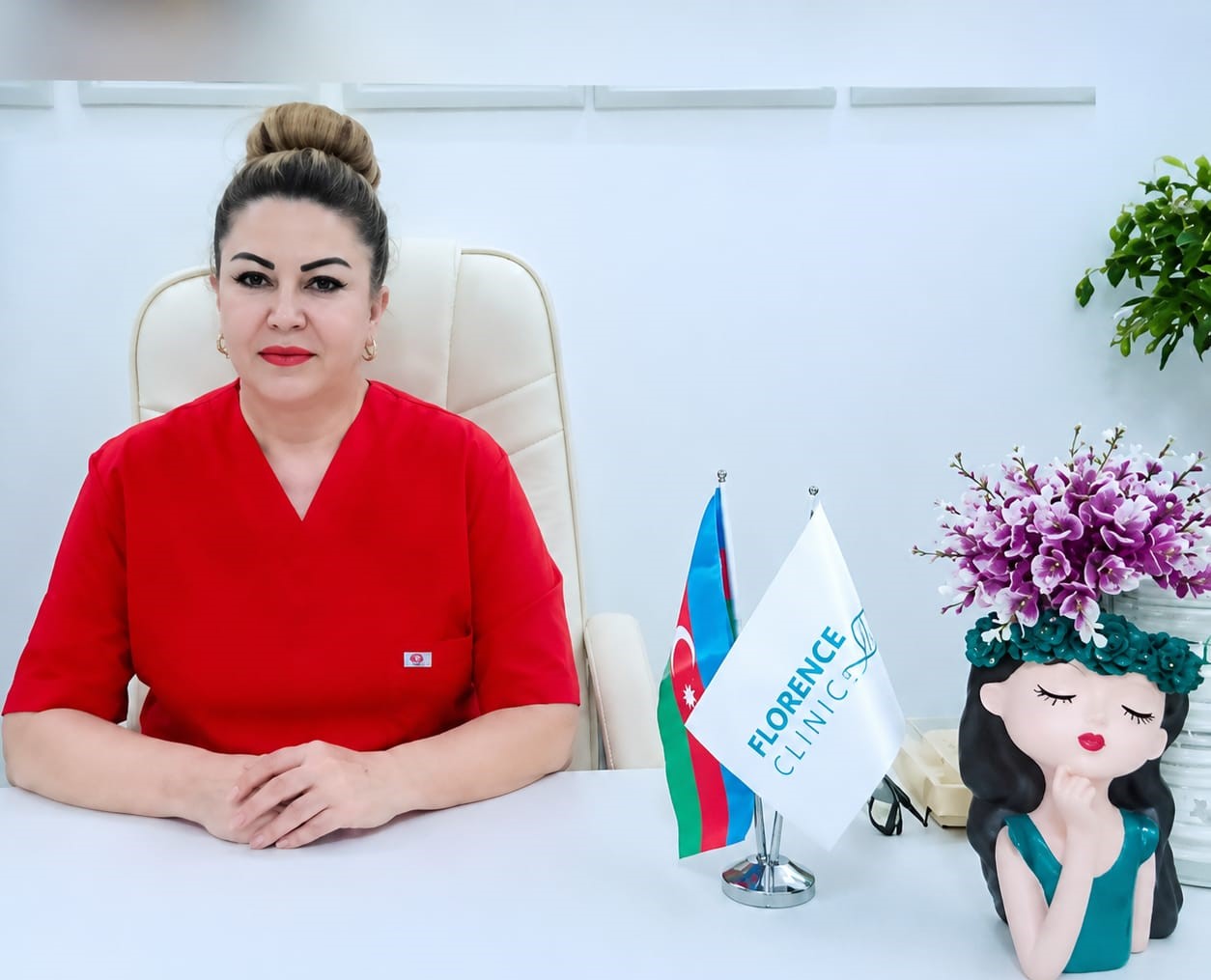
Obstetrician-gynecologist and surgeon Bahar Novruzova told Medianews.az that the Ministry of Health has developed a clinical protocol regarding artificial termination of pregnancy (abortion): “This document precisely regulates medical and social indications for abortion, as well as contraindications. Abortions are permitted only in special cases defined by law. These primarily include medical indications – that is, pregnancy that endangers the mother's life, detection of severe fetal anomalies and developmental defects, or pathologies such as uterine rupture.”
Additionally, the woman’s social situation is taken into account. Social indications for termination of pregnancy have been identified for women whose husbands are imprisoned, suffering from drug addiction, low-income, or have many children in the family.
Experience shows that a complete ban on abortions does not solve the problem. On the contrary, when bans exist, patients resort to secret means, buy hidden pills from pharmacies, take them without supervision, and put themselves at life-threatening risk from heavy bleeding. In such cases, doctors provide emergency care to every woman who comes to hospitals.
Since compulsory cases related to the health of the mother and child exist, it is impossible to completely ban abortion. However, abortions should only be performed when medically necessary. No healthy fetus should be terminated on the basis of its gender (whether a girl or a boy), and selective abortions must be strictly prohibited.”
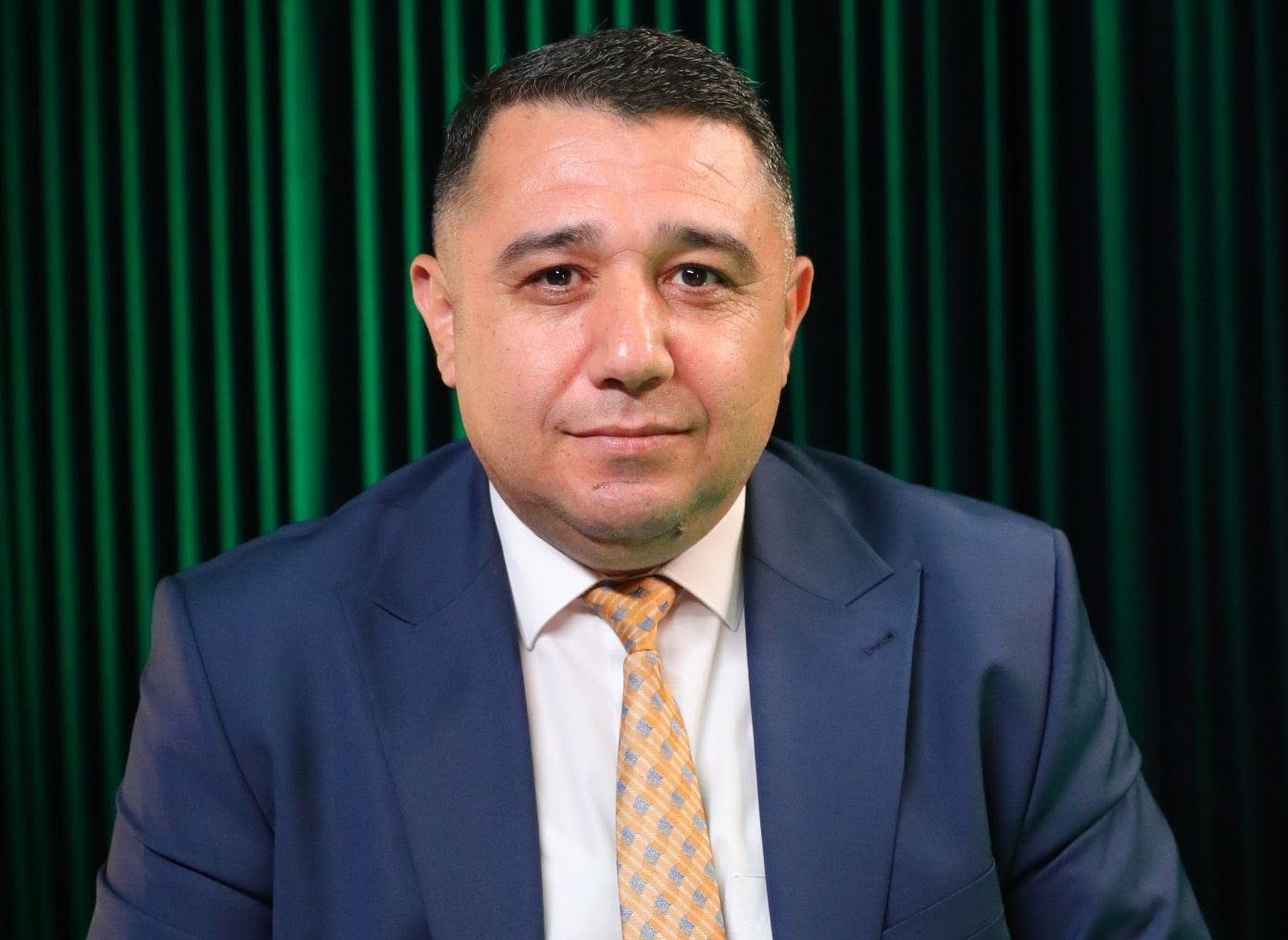
Sociologist Mail Yagub told Medianews.az that in Azerbaijan in 2025, approximately 95,000 births and 95,000 abortions were recorded: “Can you imagine? There are as many abortions as births. I haven’t even started talking about the consequences of selective abortion… Therefore, I believe that adopting a law banning abortion in Azerbaijan is necessary and urgent. Such an increase in abortions in our country should cause concern. We already have a low number of births. What does this sharp number of abortions mean? It must be prevented.
But there are other questions. If the law is adopted, how will it be enforced? How will the implementation mechanism be organized? If again some people cover things up by various means, including bribes, the law will have no significance. The law must be implemented absolutely and decisively! Strict prohibitions must be applied in this area. Otherwise, the number of abortions will continue to increase daily, surpassing birth rates.”
“I am in favor of tightening legislation on abortion. But on the condition that the law does not remain only on paper, but is truly enforced. Because the number of births is decreasing in our country, natural population growth is declining, and at this pace, Azerbaijan’s population will decrease in the future. This situation is already observed in some European countries. Natural growth is now negative. Russia is also in this group. Its population decreases by 800-900 thousand annually. There is no growth, but decline. If this continues, the same fate awaits us. Therefore, legislation must be changed now, and new strict rules must be seriously followed.”
Naila Gasimova,
Note: This article was prepared with financial support from the Media Development Agency of the Republic of Azerbaijan and in accordance with the competition conditions on the topic “Protection of human rights and freedoms, raising the legal and political culture level of citizens, increasing social and political activity.”